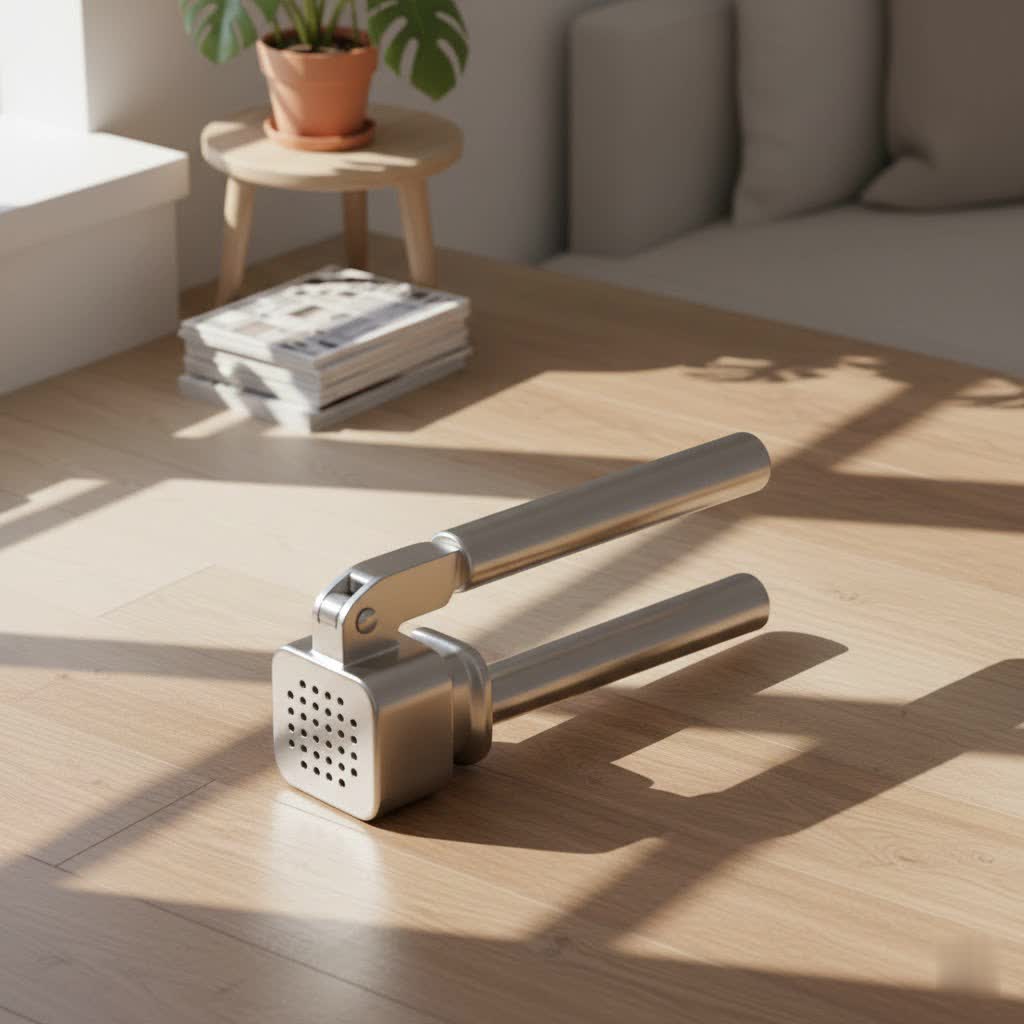
Are you tired of the pungent smell clinging to your fingers after mincing garlic by hand? Do the sticky bits of garlic clinging to your knife make meal prep a chore? A quality Garlic Press And Mincer can transform this common kitchen task, offering speed, efficiency, and a consistently fine result that elevates your dishes. This comprehensive guide will walk you through everything you need to know to choose, use, and maintain the best garlic press and mincer for your culinary adventures.
What is a Garlic Press and Mincer? Why Do You Need One?
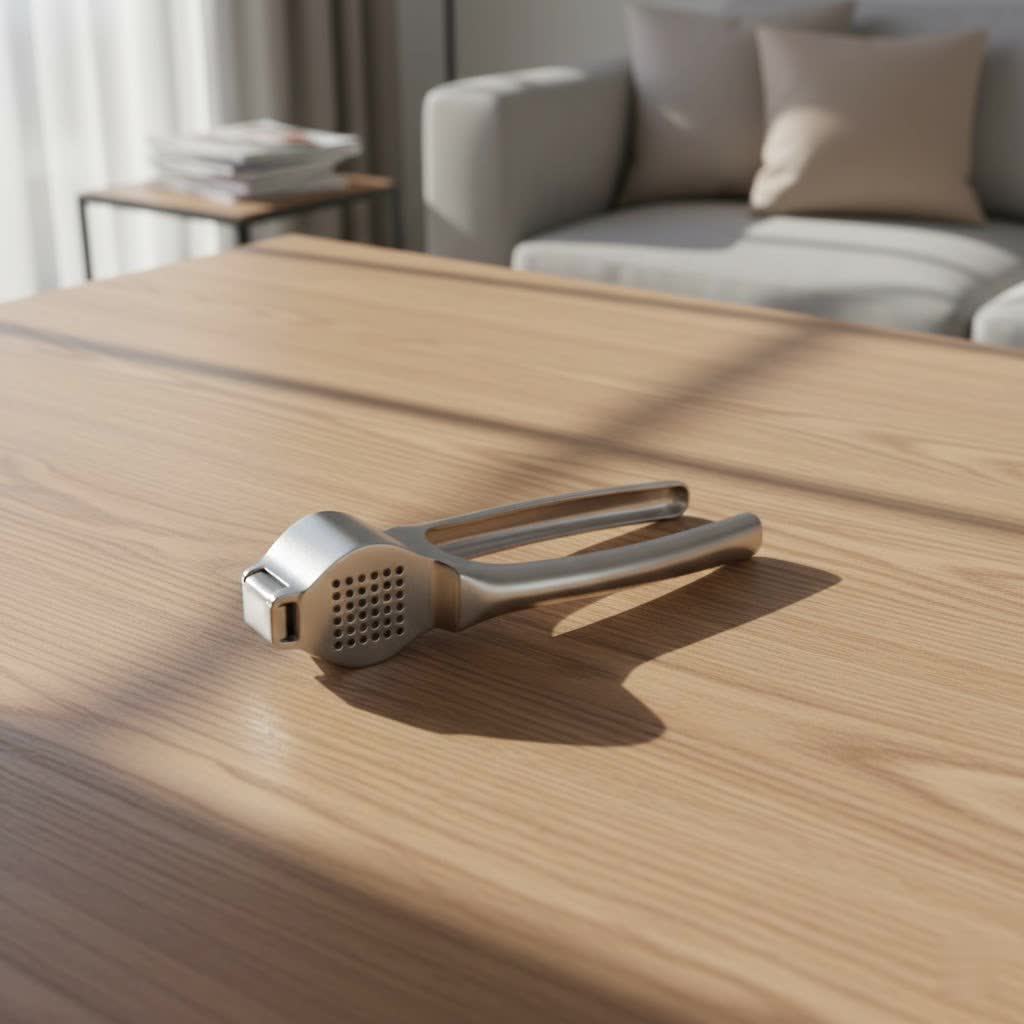
A garlic press and mincer is a kitchen utensil designed to crush and extrude garlic cloves through a grid of small holes, producing a finely minced paste. While “mincer” can sometimes refer to a chopper, for garlic, it often describes the action performed by a press. Its primary function is to simplify the often tedious process of preparing fresh garlic, saving you valuable time and effort in the kitchen.
Beyond convenience, using a garlic press offers several distinct advantages. The crushing action of the press thoroughly breaks down the garlic’s cell walls, releasing a compound called allicin. This chemical reaction results in a more pungent, sharper garlic flavor compared to knife-minced garlic, which can be desirable for many recipes. It also eliminates the need for a cutting board and knife, reducing cleanup. For those who frequently cook with garlic, it’s an indispensable tool that ensures consistent texture and maximum flavor extraction with minimal fuss.
Popular Types of Garlic Presses and Mincers: Pros and Cons
The market offers a variety of garlic presses, each with unique mechanisms and features. Understanding these differences can help you select the one best suited for your cooking style and preferences.
Based on Operating Mechanism:
- Pincer-Style (Lever-Action): This is the most common type, resembling a pair of pliers. You place a garlic clove (or sometimes multiple) into a chamber, and then squeeze the handles together to push a plunger through the garlic and out through a perforated screen.
- Pros: Generally very effective at producing a fine mince, can often handle unpeeled cloves (though results may vary), and many are robust.
- Cons: Can require significant hand strength, and cleaning the perforated screen can be challenging if garlic bits dry in the holes.
- Rocker-Style: These presses consist of a curved, perforated plate with handles. You place a peeled garlic clove on a cutting board and “rock” the tool back and forth over it to crush and mince the garlic.
- Pros: Easy on the hands, requires less grip strength than pincer-style presses, and often easy to clean due to the open design. Some are made of stainless steel, which can help remove garlic odor from hands.
- Cons: Typically requires peeling garlic first, may produce a chunkier mince than traditional presses, and can dirty a cutting board.
- Twisting-Style: Less common, these presses involve twisting two halves of the tool together to grind the garlic.
- Pros: Can be compact and fun to use.
- Cons: May not be as sturdy or efficient as other types, and the mince consistency can vary.
|
Our Picks for the Best Garlic Press in 2026
We may earn a commission when you use one of our links to make a purchase.
|
||
| Num | Product | Action |
|---|---|---|
| 1 | ORBLUE Garlic Press Stainless Steel - Premium Professional Grade Garlic Mincer, Crusher & Peeler Set - Easy Clean, Dishwasher Safe & Rust-proof |

|
| 2 | Zulay Kitchen Premium Garlic Press Set - Rust Proof Professional Garlic Mincer Tool - Easy-Squeeze, Easy-Clean with Soft, Ergonomic Handle - Silicone Garlic Peeler & Brush (Silver) |
|
| 3 | 100+250+400ML Electric Garlic Chopper, 6 Blades Garlic Mincer, Mini USB Portable Vegetable Chopper, Onion Grinder, Small Food Processor for Ginger, Chili, Fruit, Meat |
|
| 4 | GORILLA GRIP Garlic Press and Peel Set, Heavy Duty Mincer Tool, Large Ergonomic Handle, Easily Mince, Crush Garlics Ginger Nuts, Peeler Included for Peeling Cloves, Holiday Prep Kitchen Gadgets, Black |
|
| 5 | Kitessensu High Effective Garlic Press With Studs, Heavy Duty Garlic Mincer, Easy to Squeeze and Clean, Rust Proof & Dishwasher Safe, Ginger Crusher- Imperial Silver |
|
| 6 | OXO Good Grips Heavy Duty Garlic Press, Die-Cast Zinc, Black |
|
| 7 | OXO Good Grips Stainless Steel Garlic Press |
|
| 8 | No Peeling Required Garlic Press Stainless Steel with Detachable Handle for Fine Mincing-Premium Garlic Mincer Tool, Rust-Proof, Easy to Clean, Dishwasher Safe Garlic Crusher with Lifetime Replacement |
|
| 9 | Zulay Kitchen Large Premium Garlic Press Set - Bigger Bowl for Bigger Garlic - Rust Proof Garlic Mincer Tool - Easy-Squeeze, Easy-Clean Silicone Garlic Peeler & Brush (Silver) |
|
| 10 | 5L 110V Black Garlic Full Automatic Intelligent Fermenter, Applicable to Yogurt, Natto, Sweet Rice,Kimchi machine Adjustable Temperature & Time Control |
|
Based on Material:
- Stainless Steel Garlic Presses: Often considered the most durable and hygienic option.
- Pros: Highly resistant to rust and corrosion, easy to clean, and many are dishwasher safe. Stainless steel can also help neutralize garlic odors on your hands if rubbed against it under running water. Offers a substantial, quality feel.
- Cons: Can be heavier and typically more expensive than other materials.
- Alloy Garlic Presses (e.g., Zinc Alloy, Aluminum): A popular and often more affordable alternative to stainless steel.
- Pros: Lighter weight than stainless steel, good value for money.
- Cons: Aluminum can potentially darken or pit if washed in a dishwasher frequently. May not be as robust as high-grade stainless steel over time.
- Plastic Garlic Presses: Usually the most budget-friendly option.
- Pros: Very lightweight, affordable.
- Cons: Less durable, prone to staining and retaining odors, and may not withstand high pressure or frequent use as well as metal presses.
Based on Special Features:
- Self-Cleaning Garlic Presses: These models often include a built-in scraper, plunger, or eject button that pushes out remaining garlic pulp and skins, making cleanup significantly easier.
- Pros: Greatly reduces the hassle of removing stuck garlic bits.
- Cons: Can be more expensive and sometimes the self-cleaning mechanism might not be 100% effective.
- Multi-Functional Presses: Some garlic presses are designed with larger chambers or more robust construction to also mince other ingredients like ginger, shallots, or even olives and herbs.
- Pros: Increased versatility, reducing the need for multiple kitchen gadgets.
- Cons: May not perform all functions equally well, and specialized garlic presses might offer finer results for garlic specifically.
Detailed Comparison Table for Garlic Presses and Mincers
| Feature / Type | Pincer-Style (Lever) | Rocker-Style | Twisting-Style |
|---|---|---|---|
| Material (Common) | Stainless Steel, Zinc Alloy, Aluminum, Plastic | Stainless Steel, Plastic | Plastic, Stainless Steel |
| Mechanism | Squeeze handles to push garlic through holes | Rock back and forth on a cutting board | Twist halves to grind garlic |
| Ease of Use | Requires hand strength (can vary by model) | Easy on hands, requires wrist pressure | Simple twisting motion |
| Mince Consistency | Fine, pulpy paste (can be very uniform) | Medium to chunky mince | Varies, often coarse to medium |
| Peeled/Unpeeled | Many handle unpeeled (peeled often better for yield/cleanliness) | Typically requires peeled garlic | Usually requires peeled garlic |
| Ease of Cleaning | Can be challenging; look for self-cleaning features or included tools | Generally easy; open design allows easy rinsing | Relatively easy, often dishwasher safe |
| Durability | Varies by material; good quality models are very durable | Generally durable, less moving parts | Can be less durable than other types |
| Versatility | Some models can press ginger, herbs, olives | Limited to garlic, ginger; often requires prep | Limited, primarily for garlic |
| Price Range | Moderate to High | Low to Moderate | Low to Moderate |
Key Factors to Consider When Buying a Garlic Press and Mincer
Choosing the right garlic press means balancing convenience, performance, and durability with your budget. Here are the crucial elements to evaluate:
- Material: Opt for high-grade stainless steel for maximum durability, rust resistance, and ease of cleaning. It also helps in neutralizing garlic odors. While alloy options are more affordable, ensure they are food-safe and consider their long-term dishwasher compatibility. Plastic is generally suitable for light, infrequent use.
- Mechanism and Ease of Use: Consider your hand strength and frequency of use. Pincer-style presses with ergonomic handles or double-lever assistance are excellent for regular use, especially for those who want a fine mince. If you have limited hand strength or prefer a chunkier mince, a rocker-style press might be more comfortable.
- Size and Design: A larger hopper can accommodate more cloves, saving time. Look for a design that feels comfortable in your hand and is easy to grip, especially if you plan on processing a lot of garlic. Features like a wide-opening chamber or a removable basket can also greatly aid in cleaning.
- Price: Garlic presses range from under $10 to over $50. Establish your budget and then prioritize features within that range. A higher price often correlates with better materials, durability, and special cleaning features, but there are also excellent value options available.
- Ease of Cleaning: This is often the most critical factor for user satisfaction. Prioritize presses with self-cleaning mechanisms, a hinged screen that swings open fully, or those that come with a dedicated cleaning tool. Models that are fully dishwasher safe are a bonus, but always check material compatibility (e.g., aluminum).
Tips for Using and Maintaining Your Garlic Press and Mincer
Maximizing the lifespan and performance of your garlic press comes down to proper usage and diligent care.
- Effective Use:
- Peeled vs. Unpeeled: Many modern presses can handle unpeeled garlic, which saves time. However, for the best yield and easiest cleanup, some users prefer to lightly peel the cloves first. If pressing unpeeled, be aware that the skin will remain in the chamber and needs to be removed.
- Single or Multiple Cloves: Don’t overload the chamber. Most presses are designed for 1-2 large cloves or 2-3 smaller ones. Overfilling can make pressing difficult and potentially damage the press.
- Beyond Garlic: Experiment! Many presses can also mince fresh ginger (peeled), small shallots, or even crush small spices like peppercorns for fresh flavor.
- Cleaning Immediately: The golden rule of garlic press care is to rinse it immediately after use. Dried garlic residue becomes incredibly stubborn and difficult to remove. A quick rinse under hot water can prevent this.
- Cleaning Tools:
- If your press came with a small cleaning pick or brush, use it to clear out the holes and any stuck bits in the chamber.
- For presses without a dedicated tool, a toothpick, an old toothbrush, or even a strong stream of water from your faucet can help dislodge garlic.
- Dishwasher vs. Hand Washing: While many presses are labeled “dishwasher safe,” hand washing with warm, soapy water and a brush is often the most effective way to ensure all bits are removed, especially from intricate designs. For aluminum presses, hand washing is usually recommended to prevent discoloration.
- Odor Removal: For stainless steel presses, simply rubbing your hands on the metal under running water can help neutralize the garlic smell from your fingers.
- Storage: Ensure your garlic press is completely dry before storing it to prevent water spots or potential rust on non-stainless steel parts. Store it in a drawer or hang it for easy access.
Top 5 Recommended Garlic Presses and Mincers
Based on extensive reviews and user feedback, these five garlic presses stand out for their performance, durability, and user-friendliness:
- OXO Good Grips Garlic Press:
- Material: Die-cast zinc with soft, non-slip handles.
- Mechanism: Pincer-style with a large capacity chamber.
- Pros: Known for its comfortable, ergonomic handles that make squeezing easy, even for multiple cloves. Produces a consistent, fine mince. Features a built-in cleaner that pushes out stuck garlic bits.
- Cons: Some users report that garlic skins can sometimes be tricky to fully eject without manual assistance.
- Dreamfarm Garject Garlic Press:
- Material: Robust zinc alloy or lighter plastic (Garject Lite).
- Mechanism: Pincer-style with advanced self-cleaning.
- Pros: Often hailed as the “easiest to clean” thanks to its innovative design that scrapes garlic off the press as you open it and an “eject” button for peels. Produces a very fine mince. Can handle unpeeled garlic effectively.
- Cons: Can be one of the heavier presses (original Garject), and is at the higher end of the price spectrum.
- Joseph Joseph Garlic Rocker:
- Material: Stainless steel with an ergonomic handle.
- Mechanism: Rocker-style.
- Pros: Excellent for those with limited hand strength as it uses a rocking motion rather than squeezing. Easy to clean under running water due to its open design. The stainless steel can also help remove garlic odors from hands.
- Cons: Requires garlic to be peeled first and produces a coarser, chunkier mince compared to traditional presses. You also need a cutting board for use.
- Zyliss Susi 3 Garlic Press:
- Material: Lightweight aluminum.
- Mechanism: Classic pincer-style.
- Pros: A timeless design, praised for its efficiency and light weight. Often comes with a handy cleaning tool that clips into the press. Julia Child was reportedly a fan of its predecessor.
- Cons: Being aluminum, hand-washing is often recommended to prevent darkening in the dishwasher. Requires a knife or tool to scrape off minced garlic.
- Männkitchen Double Lever Assisted Stainless Steel Garlic Press:
- Material: Heavy-duty stainless steel.
- Mechanism: Pincer-style with a double-lever design.
- Pros: Designed for maximum leverage, making it incredibly easy to squeeze, even with multiple cloves, requiring minimal hand pressure. Very durable and easy to clean as it opens wide.
- Cons: Can be pricey. The open sides of the basket might allow some small garlic bits to escape.
Where to Buy High-Quality Garlic Presses and Mincers?
Finding a reliable garlic press and mincer is easy with various retail options available. For a wide selection and competitive pricing, online marketplaces like Amazon, Wayfair, and Walmart’s online store are excellent starting points. These platforms often feature extensive customer reviews and product comparisons. Many specialized kitchenware retailers and brand websites (e.g., OXO, Dreamfarm, Joseph Joseph) also sell directly to consumers, often with detailed product information and warranty details.
If you prefer to see and feel the product before purchasing, visit brick-and-mortar stores such as department stores (like JCPenney, Macy’s), home goods stores (Crate & Barrel, Williams Sonoma), or local kitchen supply shops.
When shopping online, always check the seller’s reputation, read recent customer reviews, and confirm the return policy. Beware of unusually low prices from unknown sellers, as this could indicate a counterfeit or low-quality product.
Buying Guide: Choosing Your Ideal Garlic Press and Mincer
To navigate the options and choose the perfect garlic press for your kitchen, follow these simple steps:
- Assess Your Needs: How often do you cook with garlic? Do you prefer a very fine paste or a chunkier mince? Is ease of cleaning your top priority, or is powerful squeezing more important?
- Set a Budget: Determine how much you’re willing to spend. This will help narrow down options based on material and features.
- Explore Types and Mechanisms: Consider if a traditional pincer-style, a rocker, or a twisting press best suits your physical ability and preferred mincing style.
- Prioritize Features: Look for durable materials like stainless steel. Consider self-cleaning mechanisms or included cleaning tools if easy cleanup is a must. Check for ergonomic designs that offer comfort during use.
- Read Reviews: Consult independent reviews and user testimonials for insights into real-world performance, durability, and cleaning challenges of specific models.
- Compare Prices: Once you have a few top contenders, compare prices across different retailers to find the best deal.
- Buy from Reputable Sources: Purchase from trusted online stores or physical retailers to ensure product authenticity and good customer service.
Conclusion
A well-chosen garlic press and mincer can be a game-changer in any kitchen, transforming a fiddly task into a quick and enjoyable part of your cooking routine. By understanding the different types, materials, and features available, you can confidently select a tool that provides consistent results, simplifies cleanup, and stands the test of time. Investing in a quality garlic press not only saves you effort but also enhances the flavor of your dishes, allowing the vibrant essence of fresh garlic to shine through. So, are you ready to elevate your garlic prep and unlock a world of flavor?
Câu Hỏi Thường Gặp
Can I press unpeeled garlic in a garlic press?
Many modern garlic presses are designed to handle unpeeled cloves, which can save time on prep work. However, the skin will remain in the press chamber and needs to be removed afterward. For a higher yield and potentially easier cleanup, some users still prefer to quickly peel the garlic before pressing.
How do I get the garlic smell off my hands after using a garlic press?
Rubbing your hands against a stainless steel object (like your stainless steel garlic press itself, or a spoon) under cold running water can help neutralize the sulfur compounds that cause garlic odor. You can also try washing your hands with lemon juice or a strong dish soap.
Is a garlic press better than mincing with a knife?
It depends on preference and desired outcome. A garlic press typically produces a very fine, pungent paste that releases more allicin, resulting in a stronger garlic flavor. Knife mincing offers more control over chunk size and a slightly milder flavor. A press is faster and cleaner for many people, especially for small quantities.
Are garlic presses difficult to clean?
Some traditional garlic presses can be challenging to clean due to garlic bits getting stuck in the holes. However, many modern designs feature self-cleaning mechanisms, hinged chambers that open wide, or come with special cleaning tools to make the process much easier. Rinsing immediately after use is crucial.
Can I use my garlic press for other ingredients?
Yes, many garlic presses are versatile! You can often use them to mince peeled fresh ginger, small shallots, or even crush small whole spices like peppercorns. Some people also use them to press olives for tapenade or finely mash other soft ingredients, expanding their utility beyond just garlic.