For many home cooks, the garlic press is a kitchen workhorse, simplifying the chore of mincing garlic into a swift squeeze. But what if this handy gadget could also conquer another notoriously fibrous root: ginger? The idea of a dual-purpose tool is appealing, promising efficiency and less cleanup. While ginger’s stringy nature presents unique challenges, with the right approach and the ideal press, you can indeed expand your garlic press’s capabilities to include fresh ginger. This guide will delve into the nuances of using a Garlic Press For Ginger, helping you understand its potential, identify suitable tools, and master the technique for aromatic, flavorful results.

What is a Garlic Press? Why You Might Consider One for Ginger?
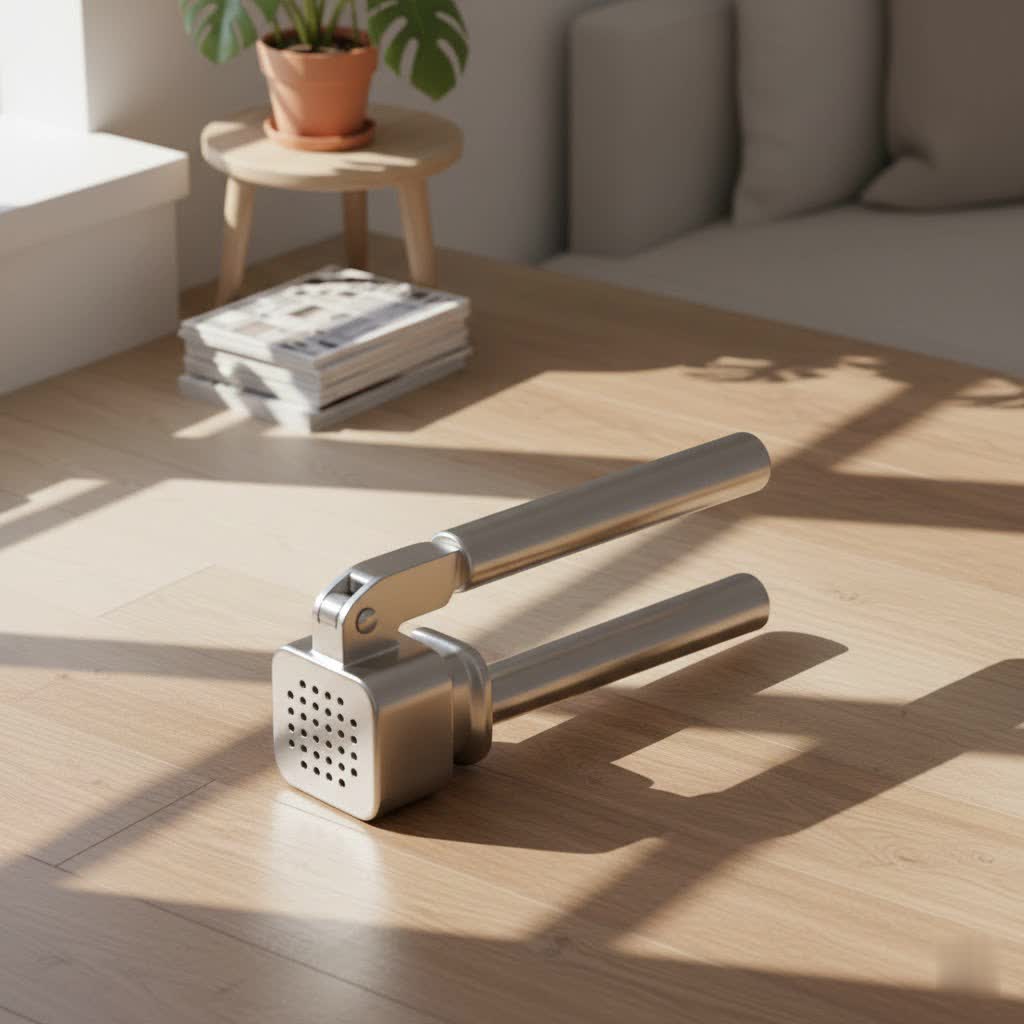
A garlic press is a kitchen utensil designed to crush garlic cloves, forcing them through a grid of small holes to produce finely minced garlic or a paste. Its primary appeal lies in its ability to save time and effort compared to traditional knife mincing, all while keeping garlic odors off your hands.
The potential to use a garlic press for ginger stems from a similar desire for convenience and consistency. Ginger, like garlic, is a pungent ingredient often required in finely minced or pasted form for marinades, stir-fries, and teas. Manually grating or finely chopping ginger can be time-consuming and messy. A garlic press offers an attractive shortcut, promising to extract both the flavorful juice and pulp of ginger, intensifying its aroma and distributing it evenly in dishes. This can be particularly beneficial for recipes where a smooth ginger consistency is desired without large, chewy pieces.
Types of Garlic Presses: Can They Handle Ginger?
Not all garlic presses are created equal, especially when considering their suitability for fibrous ginger. The design and material play a crucial role in how effectively a press can handle ginger.
Based on Mechanism:
- Plier-Style (Leverage) Presses: These are the most common type, featuring two handles that you squeeze together to push a plunger through a chamber. Their robust leverage mechanism makes them generally the best choice for ginger, provided they are well-built. A sturdy design allows for the necessary force to extract ginger juice and pulp.
- Rocker-Style Presses: This type involves placing garlic (or ginger) on a cutting board and rocking a curved, perforated plate over it. While excellent for garlic, their rocking motion often struggles with the fibrous texture of ginger, potentially mashing it rather than pressing it through the holes effectively.
- Twisting Presses: These presses typically involve twisting two parts together to crush the ingredient. They might struggle with ginger’s long fibers, which can get caught and jam the mechanism, making them less ideal for this task.
Based on Material:
- Stainless Steel Garlic Presses: These are often the most durable and preferred option. High-quality stainless steel can withstand the significant force required to press ginger without bending or breaking. It’s also rust-resistant and generally easier to clean, which is critical when dealing with ginger’s sticky fibers.
- Plastic or Alloy Garlic Presses: While more affordable, presses made from plastic or lighter alloys may not possess the necessary strength and durability for ginger. They can bend, crack, or wear out quickly under the pressure needed to process fibrous roots. This can result in a short lifespan and frustrating performance.
Based on Features:
- Multi-Purpose Garlic Presses: Some presses are marketed as being suitable for both garlic and ginger. Look for those specifically designed with enhanced durability and efficient hole patterns.
- Garlic Presses with Cleaning Tools: Ginger fibers are notorious for getting stuck in the press holes. Models that include an integrated cleaning pin or brush are incredibly helpful for quick and thorough cleanup, preventing frustrating residue buildup.
Detailed Comparison Table: Garlic Presses for Ginger Performance
Choosing the right garlic press for ginger means understanding how different features impact performance. Below is a comparison to help you assess suitability:
| Feature/Type | Best for Ginger | Less Ideal for Ginger |
|---|---|---|
| Material | Heavy-duty Stainless Steel | Plastic, Aluminum, or Thin Alloys |
| Mechanism | Sturdy Plier-Style with strong leverage | Rocker-style, Twisting presses, Flimsy plier-style |
| Durability | Excellent, designed for sustained pressure | Prone to bending, breaking, or wear with tough ginger |
| Ease of Cleaning | Integrated cleaning tool, wide-opening basket, dishwasher-safe | Small, non-removable basket, no cleaning tool, hand-wash only |
| Performance (Ginger) | Produces juice and fine pulp, minimal fiber residue | Often jams, yields mostly juice, leaves significant fibrous waste |
| Price | Generally mid to high-range | Low to mid-range |
Key Factors to Consider When Buying a Garlic Press for Ginger
When investing in a garlic press with ginger in mind, several factors go beyond just its ability to crush garlic. Prioritizing these elements will ensure you get a tool that can truly handle the challenge of ginger.
Quality Material
Always prioritize garlic presses made from high-grade stainless steel. Ginger is tougher than garlic, and flimsy materials like thin aluminum or plastic are likely to bend, crack, or break under the necessary pressure. Stainless steel offers superior durability, rust resistance, and often a better overall feel, ensuring your press lasts for years even with regular ginger use.
Robust Mechanism
A sturdy, leverage-based plier-style design is paramount. The mechanism should feel solid and capable of delivering significant force without straining your hand or showing signs of weakness. Avoid presses that feel wobbly or have loose hinges, as they will quickly falter when confronted with ginger’s fibrous texture. Look for smooth action and a well-engineered pivot point.
Size and Design
Consider a press with a generously sized chamber. While garlic cloves are small, ginger pieces can vary. A larger capacity allows you to process slightly bigger ginger chunks, reducing prep time. An ergonomic design with comfortable, non-slip handles is also essential. Pressing ginger requires more force than garlic, so a comfortable grip will prevent hand fatigue and make the task much easier.
Ease of Cleaning
This is a critical, often overlooked aspect. Ginger’s fibrous pulp tends to get trapped in the press’s holes, making cleanup challenging. Look for presses that are easy to disassemble or have a wide-opening basket for access. Better yet, many quality presses come with an integrated cleaning tool or brush. This small addition can significantly reduce frustration and ensure your press remains hygienic and ready for its next use. Dishwasher-safe models offer added convenience, but always check manufacturer recommendations.
Durability for the Task
Since ginger is fibrous, any press you choose must be built to last. Read reviews specifically mentioning ginger performance. A press that consistently jams or breaks when used with ginger is not a worthwhile investment, regardless of its price. A durable press will offer consistent performance over time.
Price and Value
While you might be tempted by cheaper options, a higher quality, more durable press that can handle ginger effectively often represents better value in the long run. Consider your budget, but be prepared to invest a little more for a press that won’t disappoint when it comes to processing tougher ingredients like ginger. A good quality press will save you time and frustration over time.
Tips for Using and Maintaining Your Garlic Press with Ginger
To get the best results and extend the life of your garlic press when using it for ginger, proper preparation, technique, and maintenance are key.
Preparation for Pressing Ginger
- Peel the Ginger: Always peel the ginger root before pressing. The skin can be tough and will likely clog the press. A spoon is an excellent tool for scraping off ginger skin quickly and efficiently.
- Slice into Small Pieces: Ginger is fibrous, so cutting it into small pieces, roughly the size of a garlic clove or even smaller, is crucial. This reduces the strain on the press and helps prevent jamming. Slice crosswise against the grain of the fibers if possible.
- Don’t Overfill: Resist the urge to cram too much ginger into the chamber. Pressing one or two small pieces at a time will yield better results and protect your press from damage. Overfilling is a common cause of blockages and premature wear.
Effective Pressing Technique
- Apply Steady Pressure: Use consistent, firm pressure rather than sudden, jerky movements. This allows the fibers to slowly push through the holes, extracting maximum juice and pulp.
- Scrape the Pulp: After pressing, use the back of a knife or a small spatula to scrape the minced ginger and juice from the front of the press directly into your bowl or pan.
- Clear After Each Press: Ginger’s fibers will inevitably get lodged in the holes. After each press, use a cleaning tool (if provided) or a small brush/toothpick to clear the remaining fibers from the chamber and the holes. This prevents buildup and ensures optimal performance for subsequent presses.
Maintaining Your Press After Ginger Use
- Immediate Cleaning: Clean your garlic press immediately after use. Dried ginger fibers are much harder to remove. Rinse it under hot running water to loosen any stuck pulp.
- Thorough Cleaning: For a deep clean, use a small brush or an old toothbrush to thoroughly scrub the holes and crevices, removing all fibrous residue. If your press has a cleaning tool, utilize it fully.
- Dishwasher Care: If your press is dishwasher-safe, place it in the top rack. However, hand-washing with a brush often yields a more complete clean, especially for ginger residue.
- Proper Storage: Once clean and dry, store your garlic press in a drawer or hung on a hook, ensuring it’s completely dry to prevent rust (especially for stainless steel) or mildew.
Top Garlic Presses for Ginger (and why some aren’t ideal)
While many garlic presses are on the market, only a few stand out for their ability to handle the demands of ginger. It’s important to look for models renowned for their robust construction and efficient design.
One model frequently cited for its versatility in handling tougher ingredients like ginger is the Zyliss Susi 3 Garlic Press. Users often praise its ability to press through not just garlic but also ginger, providing a fine, even mince without requiring excessive force. Its ergonomic handles and integrated cleaning tool further enhance its appeal for ginger enthusiasts.
On the other hand, some garlic presses that claim multi-purpose capabilities might not live up to expectations. For instance, while some brands might advertise their presses as suitable for ginger, user experiences can vary. The Alpha Grillers Garlic Press, despite its claims, has been reported to primarily yield ginger juice while leaving behind a significant amount of fibrous pulp and jamming the chamber. This illustrates the importance of looking beyond marketing and seeking out actual user feedback regarding ginger performance.
Ultimately, the best garlic press for ginger will be a heavy-duty, sturdy plier-style model, preferably made of high-quality stainless steel, with a good leverage mechanism and an easy-to-clean design. These characteristics ensure that the press can withstand the fibrous nature of ginger, deliver consistent results, and remain a valuable tool in your kitchen for years to come.
Where to Buy a Reliable Garlic Press for Ginger
Finding a reliable garlic press capable of handling ginger requires looking in the right places and paying attention to product details and reviews.
You can typically find quality garlic presses at:
- Specialty Kitchenware Stores: Stores dedicated to kitchen tools often carry higher-end, more durable presses from reputable brands. Staff can also provide expert advice.
- Large Department Stores: Many department stores have extensive kitchen sections that stock a variety of garlic presses, including some sturdier stainless steel options.
- Online Retailers: Websites like Amazon, Williams Sonoma, or Sur La Table offer a vast selection. This is an excellent place to compare models, read customer reviews specifically mentioning ginger performance, and filter by material and features.
When shopping, especially online, always:
- Read Reviews: Pay close attention to reviews that discuss using the press for ginger. Look for comments on durability, ease of pressing, and cleaning challenges with ginger.
- Check Specifications: Verify the material (aim for stainless steel), look for mentions of ergonomic design, and see if a cleaning tool is included.
- Compare Brands: Research well-known brands that have a reputation for producing durable kitchen gadgets.
Alternatives to a Garlic Press for Mincing Ginger
While a robust garlic press can be a convenient tool for ginger, it’s important to acknowledge that other methods might be more effective or better suited for certain applications, especially if you prioritize a very fine mince or pulp.
- Microplane Grater: This is widely considered the gold standard for grating ginger. A microplane yields a very fine, fluffy ginger pulp, ideal for sauces, marinades, and teas. It effectively separates the juice from the fibers, which can be easily discarded. The process is quick and generally very efficient.
- Ceramic Ginger Grater: Similar to a microplane but often with small, sharp nubs, ceramic graters are excellent for creating a fine ginger paste and extracting juice. They are gentle on hands and easy to clean, often leaving the fibers behind.
- Chef’s Knife: For those with good knife skills, a sharp chef’s knife can achieve a finely minced ginger. This method offers control over texture, allowing for anything from a coarse chop to a very fine mince, but it requires practice and time.
- Mortar and Pestle: This traditional tool is fantastic for creating a rustic, flavorful ginger paste. The crushing action releases the oils and flavors intensely, making it a great choice for curries and pastes where texture is less critical than flavor.
- Smashing with a Knife or Pan: For a quick, coarse crush, place peeled ginger on a cutting board, cover it with plastic wrap (optional), and smash it with the flat side of a heavy chef’s knife or the bottom of a pan. This method breaks down the fibers and releases juices, making it suitable for dishes where larger, crushed ginger pieces are acceptable.
- Electric Mini Chopper/Food Processor: For larger quantities of ginger, a mini chopper or food processor can quickly mince it. This method is efficient but might produce a slightly less uniform texture or turn the ginger into a watery pulp if over-processed.
Conclusion
The pursuit of kitchen efficiency often leads us to explore the versatility of our tools, and the garlic press for ginger is a prime example. While ginger’s fibrous nature presents a unique challenge, a high-quality, sturdy garlic press made of stainless steel with a strong leverage mechanism can indeed be a valuable asset for processing this aromatic root. By peeling and slicing ginger into small pieces, applying steady pressure, and meticulously cleaning the press immediately after use, you can successfully extract both the juice and fine pulp, enhancing the flavor of your culinary creations.
However, it’s also important to recognize that specialized tools like microplane graters offer unparalleled fineness for ginger. Ultimately, whether your garlic press becomes your go-to ginger mincer depends on your specific press, your technique, and your desired texture. So, are you ready to unlock the full potential of your garlic press and simplify your ginger prep?
Câu Hỏi Thường Gặp
Can any garlic press be used for ginger?
No, not all garlic presses are suitable for ginger. Ginger’s fibrous nature requires a sturdy, well-built press, ideally made of high-grade stainless steel, with a strong leverage mechanism to prevent jamming or damage.
Should I peel ginger before putting it in a garlic press?
Yes, it is highly recommended to peel ginger before pressing it. The skin is tough and can easily clog the press, making it difficult to operate and clean effectively.
How do I prevent ginger from jamming my garlic press?
To prevent jamming, peel the ginger and slice it into very small pieces, similar in size to a garlic clove. Press only one or two pieces at a time with steady pressure, and clear any lodged fibers immediately after each press.
Does pressing ginger produce the same result as grating it?
Pressing ginger often yields a mix of juice and fine pulp, with some fibrous material remaining. A microplane grater typically produces a finer, fluffier pulp, separating more of the stringy fibers, which can be preferred for certain dishes.
How do I clean my garlic press after using it for ginger?
Clean your garlic press immediately after use by rinsing it under hot water. Use a small brush, an old toothbrush, or the integrated cleaning tool (if available) to thoroughly remove all fibrous ginger residue from the holes and chamber.