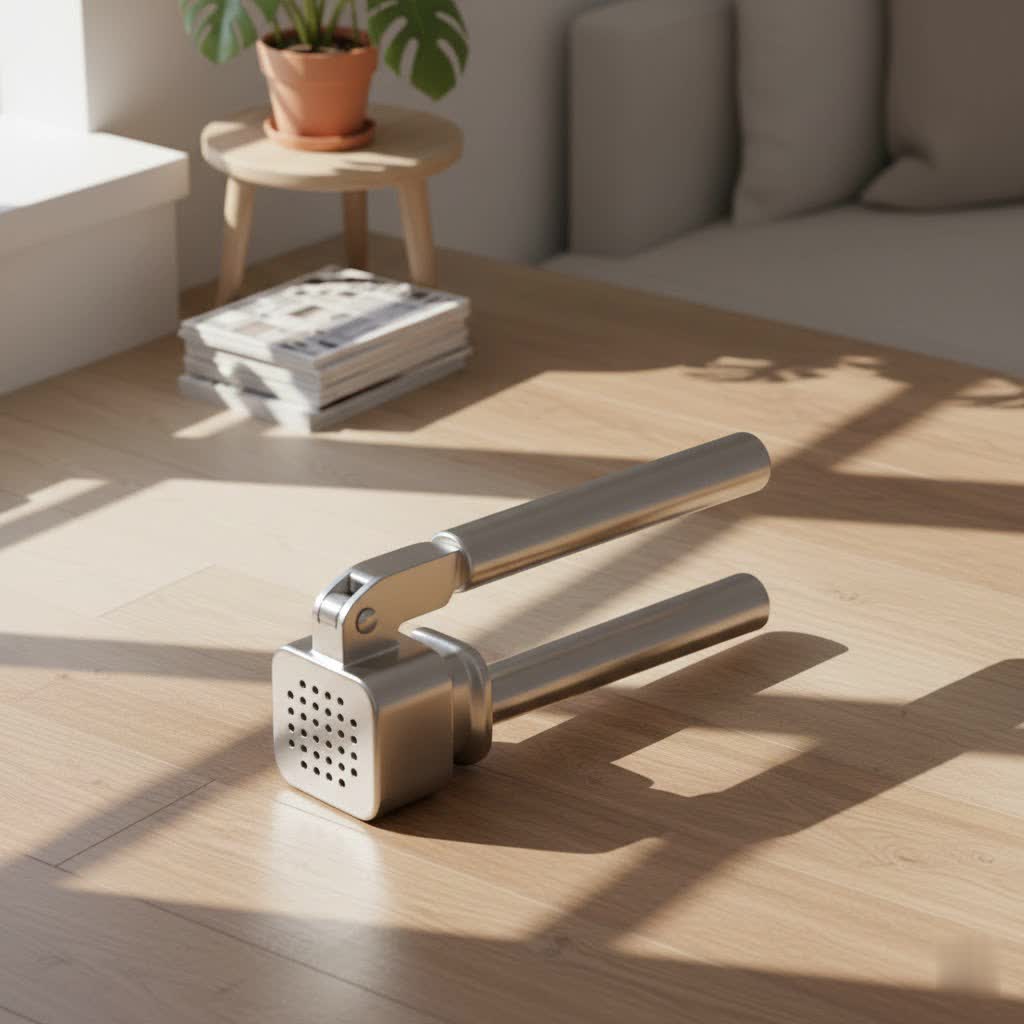
Have you ever wondered if the best kitchen tools are sometimes those from a bygone era? In a world of fleeting trends and disposable gadgets, the vintage garlic press stands as a testament to enduring craftsmanship and design. More than just a simple utensil for crushing cloves, a vintage garlic press offers a unique blend of robust functionality, timeless aesthetic appeal, and a connection to culinary history. If you’re looking to infuse your kitchen with character while enjoying superior performance, stepping back in time to discover these classic tools might be your perfect choice.
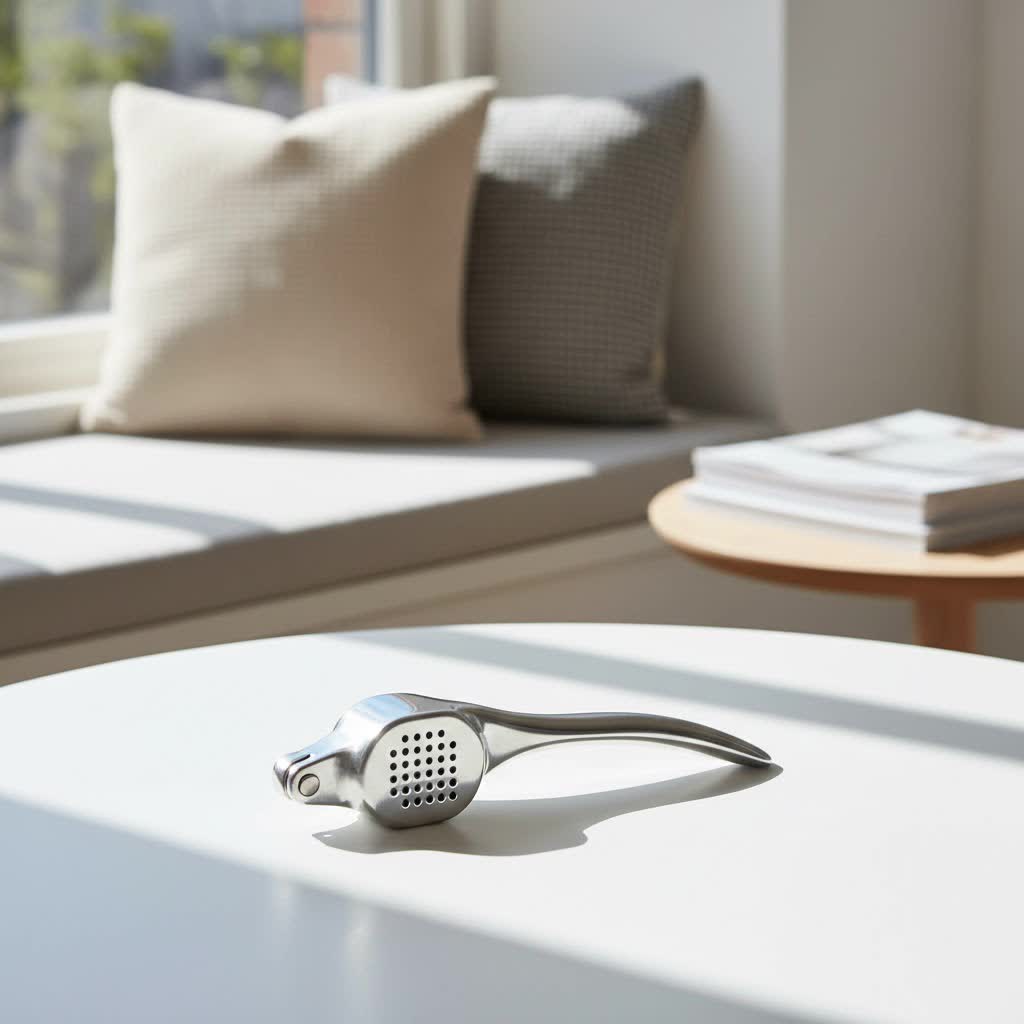
What is a Vintage Garlic Press? Why Do You Need One?
A vintage garlic press typically refers to models produced several decades ago, often before the widespread adoption of lighter, less durable materials in kitchenware. These presses are distinguished by their solid construction, thoughtful engineering, and often a distinctive design that speaks to an earlier age of manufacturing.
The journey of the modern garlic press began with Soloman Green, an American inventor who patented a handled design in 1945. However, it was Swiss mechanic Karl Zysset who truly revolutionized garlic preparation in 1948 with his “Susi 3” press, inspired by bicycle brake mechanics. This innovative design, which could efficiently crush unpeeled garlic, laid the foundation for the renowned Zyliss company and cemented the garlic press’s place in kitchens worldwide.
Choosing a vintage garlic press isn’t just about nostalgia; it’s about embracing genuine quality. These older models often boast unmatched durability, built to withstand generations of use. Their superior crushing efficiency, often featuring excellent leverage and well-engineered pistons, delivers a remarkably fine and even mince, unlocking more intense garlic flavor. Beyond performance, a vintage press adds a touch of classic elegance to any kitchen, serving as a functional piece of art. Opting for vintage is also a sustainable choice, reducing waste by reusing a well-made item rather than contributing to the demand for new, often less sustainable, manufacturing.
Types of Vintage Garlic Presses: Pros and Cons
Vintage garlic presses come in various forms, primarily categorized by their operating mechanism and material. Understanding these differences can help you find the perfect match for your cooking style and aesthetic preferences.
Based on Operating Mechanism:
- Pincer-Style Garlic Presses: These presses operate much like a pair of pliers, requiring direct squeezing force to push garlic through a perforated plate. Many early designs, including some iconic Swiss and Italian models, utilize this mechanism.
- Pros: Often very sturdy due to minimal moving parts, excellent leverage in well-designed models.
- Cons: Can be challenging to clean due to fixed components, may require more hand strength.
- Hinge-Style Garlic Presses: Characterized by a hinged basket that swings open, allowing for easier loading and often, a simpler cleaning process. The Zyliss Susi 3 is a famous example of this type.
- Pros: Generally easier to load and clean, often includes a cleaning tool, good for processing multiple cloves.
- Cons: Hinges can become stiff over time, some designs might be less robust than solid pincer types.
- Leverage-Enhanced Designs: Some vintage presses, particularly those from German and Austrian manufacturers like Fortuna A. Ahner, incorporate design elements that provide increased leverage, making pressing easier with less effort.
- Pros: Reduced strain on hands, efficient crushing.
- Cons: Can sometimes be bulkier.
Based on Material:
- Cast Aluminum Garlic Presses: A very common material for vintage presses, especially from Italian, Swiss, and American manufacturers.
- Pros: Lightweight yet strong, resists rust, often has a charming patina over time.
- Cons: Can discolor in dishwashers, some cheaper models might dent.
- Stainless Steel Garlic Presses: Less common in early vintage models but prized for their durability and hygiene.
- Pros: Extremely durable, corrosion-resistant, dishwasher safe, does not retain odors.
- Cons: Can be heavier, typically more expensive.
- Wooden Garlic Presses: More primitive or rustic in design, often resembling a small mortar and pestle or a simple lever press.
- Pros: Unique aesthetic, pleasant to handle, eco-friendly.
- Cons: Requires careful hand-washing, prone to staining and odor absorption, less efficient for fine mincing.
- Early Plastic/Nylon Garlic Presses: Some mid-century and later vintage presses, like certain Tupperware models, utilized robust plastics.
- Pros: Very lightweight, often brightly colored, gentle on hands.
- Cons: Less durable than metal, can stain and absorb odors over time.
Detailed Comparison Table for Vintage Garlic Presses
| Feature | Cast Aluminum Garlic Press | Stainless Steel Garlic Press | Wooden Garlic Press | Early Plastic/Nylon Garlic Press |
|---|---|---|---|---|
| Material | Cast aluminum | Stainless steel (often heavy-gauge) | Hardwood (e.g., maple, beech) | Robust plastic/nylon |
| Mechanism | Often pincer-style or hinged (e.g., Zyliss Susi 3) | Typically hinged or pincer | Manual pressing/crushing or simple lever | Hinged, sometimes with integrated features |
| Durability | Very good; resists rust, durable for decades | Excellent; highly resistant to corrosion and wear, almost indestructible | Moderate; susceptible to cracks, staining, and odor if not properly cared for | Good; can last decades but prone to discoloration/brittleness |
| Aesthetic | Classic, often with a silvery-grey patina, rustic charm | Sleek, industrial, modern vintage | Rustic, farmhouse, natural | Retro, sometimes brightly colored, lightweight |
| Ease of Cleaning | Fair; can discolor in dishwasher, requires immediate rinsing to prevent clogging | Good; dishwasher safe, easy to rinse, resists sticking | Poor; hand-wash only, prone to garlic residue absorption in pores, difficult to fully sanitize | Fair; can be dishwasher safe (check specific model), prone to staining and odor retention |
| Common Brands/Origin | Zyliss (Switzerland), Brevettato (Italy), EKCO (USA), Fortuna A. Ahner (Austria/Italy) | Zwilling Henckels (Germany), some high-end Italian models | Unbranded, artisanal, primitive | Tupperware (USA/Italy), various unbranded models |
Important Factors to Consider When Buying a Vintage Garlic Press
When seeking a vintage garlic press, a discerning eye and a few key considerations will ensure you find a treasure, not a dud.
1. Material Quality: Prioritize durable materials that have stood the test of time. Cast aluminum and stainless steel are excellent choices for their longevity and rust resistance. Inspect aluminum for pitting or excessive wear, and stainless steel for any signs of rust or damage to the pressing plate. Avoid plastic models that show signs of brittleness or significant discoloration, as these might be nearing the end of their usable life.
2. Mechanism and Functionality: Examine the hinge or pincer mechanism. Does it open and close smoothly? Is there any wobble or excessive play that could indicate wear? For hinged models, check if the basket swings open fully for easy cleaning. A well-designed mechanism should offer good leverage, making it easy to press garlic without excessive force. Test the movement if possible, to get a feel for its operation.
3. Overall Condition: Look for signs of heavy use, rust, cracks, or missing parts. A few cosmetic scratches or a lovely patina are often part of the charm of a vintage item, but structural damage, deep pitting, or excessive corrosion on metal parts can affect performance and hygiene. Ensure all components are present, especially if it’s a model known to have a separate cleaning tool.
4. Authenticity and Brand Reputation: Research well-known vintage brands like Zyliss, Fortuna, EKCO, or Brevettato. These brands often indicate a higher quality of construction and design. Be wary of unbranded items unless their condition and design are exceptionally good. Sometimes, a “Swiss Made” or “Made in Italy” stamp can be a good indicator of quality for older pieces.
5. Price: Vintage garlic presses can range from affordable finds to collector’s items. Compare prices across different platforms like eBay and Etsy, and factor in shipping and potential restoration costs. A higher price might be justified for a rare model, excellent condition, or a sought-after brand. Don’t overpay for a common model, no matter how charming it appears.
Tips for Using and Maintaining Your Vintage Garlic Press Correctly
Bringing a vintage garlic press into your kitchen is like adopting a piece of history. With proper use and care, you can ensure it continues to perform beautifully for years to come.
- Pre-Peeling is Optional, But Beneficial: Many robust vintage presses can handle unpeeled garlic cloves. However, removing the peel beforehand can lead to a cleaner press and easier cleanup, as the papery skin won’t get stuck in the basket.
- Apply Steady Pressure: Vintage presses are often built with excellent leverage. Use a firm, steady squeeze rather than sudden, harsh pressure to get the best mince and prevent strain on the handles or hinge.
- Rinse Immediately: The golden rule for any garlic press, vintage or modern, is to rinse it immediately after use. Garlic residue can dry quickly and become notoriously difficult to remove. A quick rinse under hot water will dislodge most particles.
- Utilize Cleaning Tools: If your vintage press came with a cleaning pick (like many Zyliss Susi models), use it! Otherwise, a toothpick, an old toothbrush, or even a sturdy fork can help clear stubborn bits from the holes. For presses with hinged screens, swing them open to access all surfaces.
- Consider a Pre-Use Spray: A light mist of cooking oil or spray inside the garlic chamber before use can make the garlic less likely to stick, simplifying the post-use rinse.
- Hand Wash Preferred: While some stainless steel vintage presses might be dishwasher safe, hand-washing is generally recommended for all vintage items, especially those made of aluminum, wood, or early plastics. Dishwashers can cause aluminum to darken or pit, and can damage wooden components or make plastic brittle.
- Thorough Drying: After washing, ensure your vintage garlic press is completely dry before storing it to prevent water spots and rust, particularly on metal hinges or springs.
- Proper Storage: Store your garlic press in a dry place to avoid moisture build-up. If it has a cleaning tool, keep it together with the press to prevent loss.
Top 5 Vintage Garlic Presses: Detailed Reviews
Here are five examples of vintage garlic press types that are often sought after for their quality and design. While specific models can vary in availability and condition, these represent excellent choices for any vintage kitchen.
- The Zyliss Susi 3 (Swiss Made, Cast Aluminum): A true classic, the Zyliss Susi 3 is revered for its robust cast aluminum construction and effective leverage. Often marked “SWISS MADE,” these presses are lightweight yet incredibly durable. They typically feature a hinged basket and sometimes come with a small cleaning pin. Julia Child was reportedly a fan of the original Zyliss Susi, a testament to its reliability. Expect a fine, pulpy mince. Look for models in good condition, as the aluminum can show cosmetic wear.
- Fortuna A. Ahner (Austrian/Italian, Cast Aluminum): Known for its streamlined design and often a pincer-style mechanism, Fortuna A. Ahner presses are another highly regarded vintage find. They offer good crushing force and often boast an easier cleaning mechanism with a matching grid of pins to clear the holes. These are sturdy tools that provide both aesthetic appeal and solid performance.
- EKCO (USA, Cast Aluminum): EKCO produced a range of kitchen tools, and their vintage cast aluminum garlic presses are known for their heavy-duty construction. Often featuring a classic American design, these presses are built for strength and longevity. Look for models with patent numbers stamped on them for an authentic piece of American culinary history.
- Brevettato (Italian, Cast Aluminum/Metal): Many vintage garlic presses marked “Brevettato” (meaning “patented” in Italian) are highly prized. These are typically heavy-duty cast aluminum or other robust metals, reflecting Italian craftsmanship. They offer strong leverage and are built to last, often featuring classic designs that make them a beautiful addition to any kitchen.
- Unbranded Heavy-Duty Cast Aluminum (Various Origins): Don’t overlook solid, unbranded cast aluminum presses from the mid-20th century. Many manufacturers in Italy, Taiwan, and other regions produced excellent, no-frills garlic presses that focused purely on function and durability. These often offer incredible value and the same lasting quality as branded models, making them perfect for those who prioritize performance over pedigree. Check for a heavy feel and solid construction.
Where to Buy Trustworthy and Quality Vintage Garlic Presses?
Finding the perfect vintage garlic press can be part of the adventure of collecting kitchenware. Here’s where to look and what to keep in mind:
- Online Marketplaces:
- eBay: A vast selection of vintage garlic presses can be found here. Use specific keywords like “Zyliss Susi Garlic Press Vintage,” “cast aluminum garlic press Italy,” or “1960s garlic press.” Carefully review seller ratings, item descriptions, and photos. Don’t hesitate to ask sellers for more information or pictures.
- Etsy: Known for handmade and vintage items, Etsy offers another excellent source. Sellers often specialize in curated vintage kitchenware, potentially providing more detailed descriptions and a passion for their products.
- Antique Stores and Flea Markets: These physical locations allow you to inspect the press firsthand, check for wear and tear, and test the mechanism. You might also find unique, unbranded gems that offer great value.
- Estate Sales and Thrift Stores: While requiring more luck and persistence, these can be goldmines for exceptionally priced vintage kitchen tools. You might unearth a high-quality press for a fraction of its market value.
When buying vintage online, always pay attention to the seller’s return policy and look for clear, well-lit photos that show the item from multiple angles. Check for any mentioned flaws or signs of wear. Remember, a little research goes a long way in securing a quality piece.
Buying Guide for Your Vintage Garlic Press:
- Identify Your Needs: Do you prioritize crushing power, ease of cleaning, or a specific aesthetic?
- Set a Budget: Vintage presses range in price; determine what you’re willing to spend.
- Research Brands & Materials: Familiarize yourself with reputable vintage brands and materials (e.g., Zyliss, Fortuna, cast aluminum, stainless steel).
- Inspect Condition Thoroughly: Look for rust, cracks, damage, and check the functionality of hinges and plungers.
- Read Reviews/Ask Questions: If buying online, examine seller feedback and don’t hesitate to contact sellers for more details.
- Consider Origin: Presses from Switzerland, Italy, Germany, and the USA often indicate robust construction.
Conclusion
The vintage garlic press offers a compelling alternative to many modern kitchen gadgets, blending superior craftsmanship with a timeless aesthetic. Their remarkable durability and efficient performance continue to make them a cherished tool for home cooks who appreciate quality that lasts. By choosing a vintage piece, you’re not just mincing garlic; you’re investing in a piece of culinary history that adds character and substance to your kitchen. So, are you ready to rediscover the simple elegance and robust efficiency of a vintage garlic press in your own home?
Câu Hỏi Thường Gặp
How do vintage garlic presses compare to modern ones in terms of durability?
Bảng trống.Vintage garlic presses often boast superior durability compared to many modern counterparts, as they were typically constructed from heavy-duty materials like cast aluminum or solid stainless steel, designed to withstand decades of regular use without breaking or corroding.
Can I put my vintage cast aluminum garlic press in the dishwasher?
It’s generally recommended to hand-wash vintage cast aluminum garlic presses. While durable, the harsh detergents and high heat of a dishwasher can cause aluminum to darken, pit, or discolor over time, diminishing its appearance and potentially affecting its longevity.
Are there any vintage garlic presses that are easy to clean?
Yes, some vintage garlic presses, particularly certain hinged designs like the Zyliss Susi 3, come with a small cleaning pin or have a design that allows the perforated plate to swing out, making it much easier to dislodge garlic residue. Rinsing immediately after use is also key for any model.
Do vintage garlic presses offer better performance than newer models?
Many vintage garlic presses are celebrated for their superior crushing efficiency and leverage. Their robust construction and well-engineered mechanisms often provide a finer, more consistent mince with less effort than some contemporary designs that may prioritize lightness or affordability over heavy-duty performance.
Where is the best place to find authentic vintage garlic presses?
Authentic vintage garlic presses are frequently found on online marketplaces like eBay and Etsy, where sellers specialize in vintage kitchenware. You can also discover hidden gems at antique stores, flea markets, and estate sales, allowing for a hands-on inspection of the item’s condition.