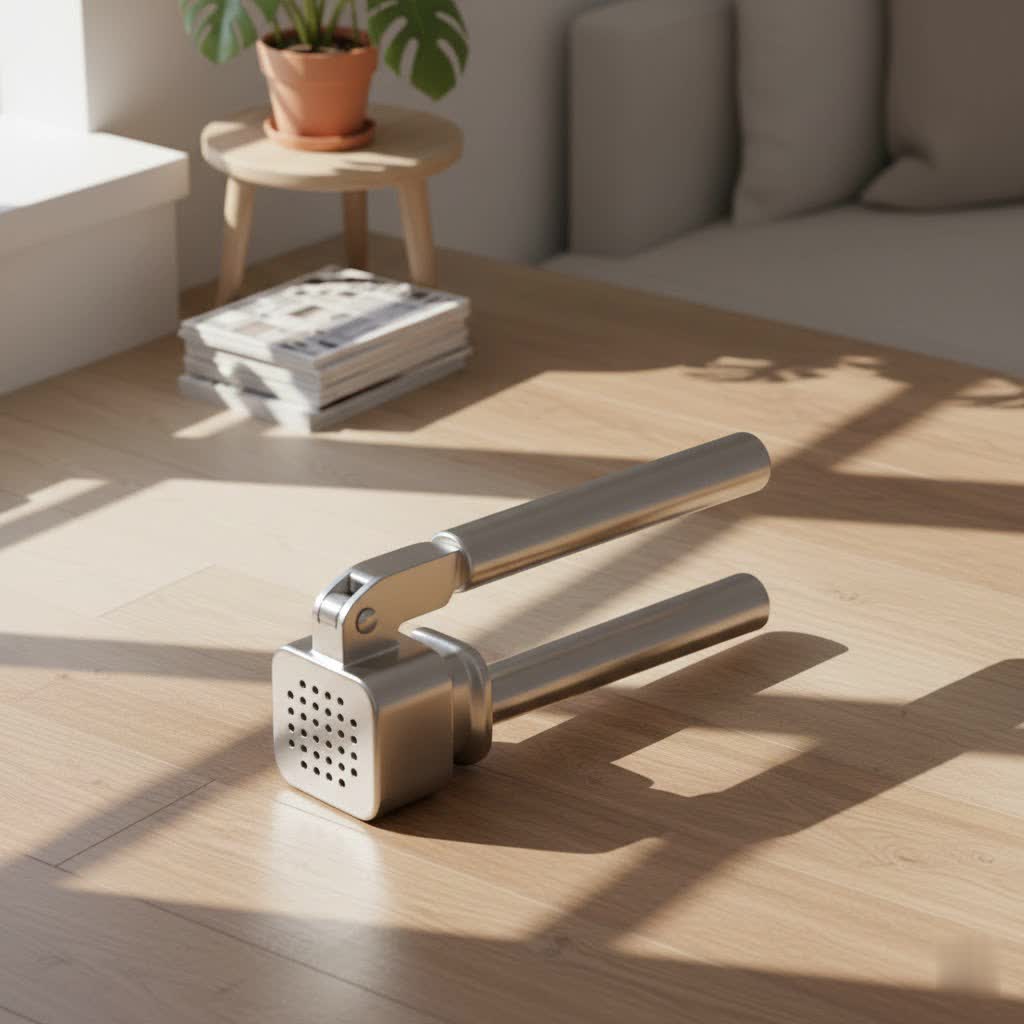
In a world brimming with disposable gadgets, there’s a unique satisfaction in owning kitchen tools that tell a story, pieces crafted with an eye for durability and timeless design. Among these cherished relics, the Vintage Garlic Press stands out. More than just a simple utensil for crushing cloves, a vintage garlic press embodies robust engineering and an aesthetic appeal that continues to captivate home cooks and collectors alike. It’s not merely about nostalgia; it’s about rediscovering a kitchen essential that often outshines its contemporary counterparts in both performance and longevity.
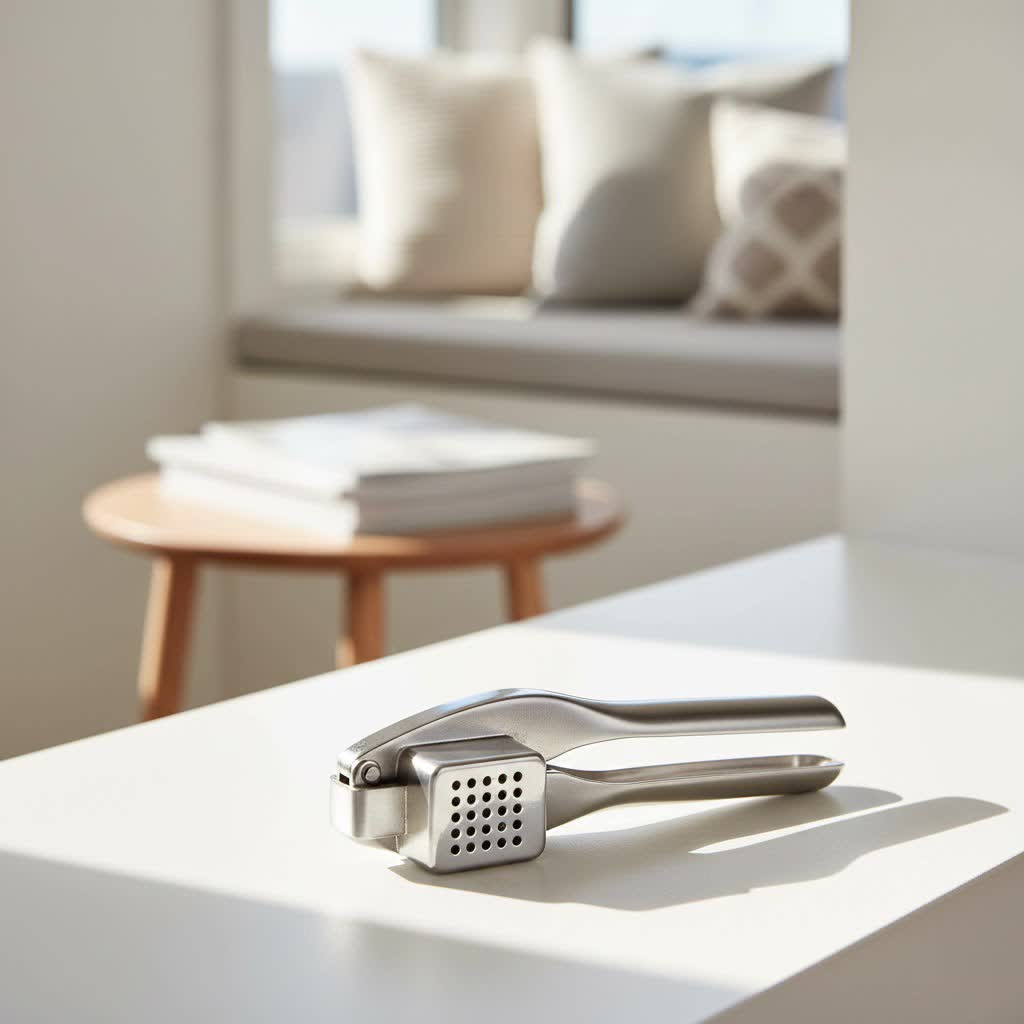
What is a Vintage Garlic Press and Why Should You Own One?
A vintage garlic press typically refers to models produced before the 1980s, characterized by their sturdy construction and often simpler, yet highly effective, mechanisms. Unlike many modern presses designed for planned obsolescence, vintage models were built to last, often from substantial materials like cast aluminum or heavy-gauge stainless steel. Owning one means investing in a piece of culinary history that offers reliable performance, a satisfying tactile experience, and a unique charm that enhances any kitchen. Their enduring quality speaks to a bygone era of craftsmanship.
A Glimpse into the Past: The History of the Garlic Press
Before the advent of specialized tools, garlic preparation relied on knives for mincing or simple pounding, a process that was effective but often messy. The journey towards a dedicated garlic press saw a significant step in 1945 with an American inventor named Soloman Green, who patented a design for a handled press. However, the true revolution arrived in 1948, courtesy of Karl Zysset, a Swiss bicycle mechanic from Lyss. Inspired by the practical design and leverage principle of bicycle brakes, Zysset developed a groundbreaking tool that could efficiently crush unpeeled garlic cloves without direct hand contact. This ingenious invention, initially named the “Susi 3,” paved the way for the Zyliss company, founded by Zysset in 1951, which would popularize the garlic press globally. His innovation marked a milestone in kitchen utensil design, making garlic preparation quicker, cleaner, and more accessible.
Exploring Types and Materials of Vintage Garlic Presses
Vintage garlic presses come in a variety of forms, primarily distinguished by their operating mechanism and the materials used in their construction. Understanding these differences can help you appreciate the ingenuity of their design and choose one that fits your cooking style.
By Mechanism:
- Lever-Style (Nutcracker Type): This is by far the most common mechanism for vintage presses. Resembling a nutcracker, these presses use a simple hinge and leverage to force garlic through a perforated plate. They are typically robust and designed for powerful crushing.
- Pincer-Type Motion: Less common, some early presses, like the Fortuna A Ahner from Austria, utilized a pincer-type motion, which provided less crushing force but sometimes offered easier cleaning.
By Material:
- Cast Aluminum: Many iconic vintage presses, including early Zyliss “Susi” models, were made from cast aluminum. These are typically lightweight yet sturdy, offering good leverage. While durable, aluminum can react to dishwashers, leading to darkening or oxidization. Brands like Brevettato (Italy) and EKCO (USA) also commonly used cast aluminum.
- Stainless Steel: Higher-end vintage presses were often crafted from stainless steel, prized for its excellent durability, rust resistance, and often a heavier, more substantial feel. These are generally easier to clean and maintain their appearance over time.
- Heavy Metal/Alloy: Many unbranded vintage presses are made from various heavy metal alloys, offering substantial weight and strength. These can be found from diverse origins such as Taiwan, Japan, or even the USSR.
- Wood: While less common for the mechanical “press” style, primitive wooden garlic tools, more akin to mortars or simple hand presses, also represent a form of vintage garlic preparation.
Why Vintage Often Outperforms Modern: Durability and Design
The appeal of a vintage garlic press extends beyond mere aesthetics; it’s deeply rooted in its inherent quality and practical advantages. Many seasoned home cooks argue that older models simply perform better and last longer than their contemporary counterparts. This superiority often stems from a few key factors:
- Robust Construction: Vintage presses were typically over-engineered, built with thick, solid materials and strong pivot points. This translates to less flex, more efficient force transfer, and a greater capacity to withstand years of rigorous use without breaking or bending.
- Quality Materials: Before cost-cutting measures became widespread, manufacturers often used higher grades of metal. Cast aluminum of yesteryear was often thicker and more resilient, and vintage stainless steel pieces are renowned for their strength and corrosion resistance.
- Simpler, Effective Mechanisms: The designs of vintage presses are often straightforward and elegant, focusing on pure functionality. This simplicity means fewer moving parts that can fail and a clear, direct path for the garlic, ensuring an efficient press every time. Modern designs, while sometimes innovative, can occasionally introduce unnecessary complexities or weaker components.
- Tactile Experience: There’s a satisfying heft and smooth operation to a well-preserved vintage press. The deliberate mass provides excellent leverage, allowing you to crush cloves with less perceived effort, making the cooking process more enjoyable.
Factors to Consider When Acquiring a Vintage Garlic Press
Embarking on the search for a vintage garlic press can be a rewarding journey, but knowing what to look for will ensure you find a true kitchen gem.
- Condition is Key: Examine the press thoroughly for signs of damage. Check for cracks in cast aluminum, excessive rust on steel, or bent components that might compromise its function. While minor cosmetic flaws are part of its charm, structural integrity is paramount.
- Material Preference: Decide whether you prefer the classic lightweight feel of cast aluminum (e.g., Zyliss Susi, Brevettato) or the ultimate durability and rust resistance of stainless steel. Aluminum may show more patina or discoloration, especially if it’s seen dishwasher use, but it’s often more affordable.
- Identify Brands and Origin: Iconic brands like Zyliss (Susi models) are highly sought after. Look for “Swiss Made” or “Made in Italy” (Brevettato, Pedrini), “Made in West Germany” (Westmark), “Made in Austria” (Fortuna A Ahner), or even “Made in USA” (EKCO) or “Made in Japan/Taiwan/USSR” on unbranded heavy metal presses. These markings often indicate periods of quality manufacturing.
- Cleaning Mechanisms: Some vintage presses, particularly Zyliss models, featured integrated cleaning tools or pins that align with the holes to push out stubborn garlic residue. While not universal, this is a desirable feature.
- Price and Rarity: Prices for vintage presses can vary widely based on brand, condition, and rarity. A pristine Zyliss Susi might fetch a higher price than an unbranded aluminum press, but both can offer excellent performance. Determine your budget and what features are most important to you.
Caring for Your Vintage Gem: Usage and Maintenance Tips
A vintage garlic press, cared for properly, can continue to serve you for decades. Here are essential tips for using and maintaining your classic kitchen tool:
- Optimal Usage: Most vintage presses are powerful enough to crush unpeeled garlic cloves. The peel will remain in the press’s chamber, making cleanup of the garlic itself simpler.
- Immediate Rinse is Best: The golden rule for cleaning any garlic press is to rinse it immediately after use. Garlic residue, when dried, becomes much harder to remove.
- Hand Washing is Preferred: For aluminum presses especially, hand washing with warm soapy water is highly recommended. Dishwashers can cause aluminum to darken, oxidize, or develop a dull, grayish film. For stainless steel, a dishwasher is generally safe, but hand-washing can still be more effective for removing all residue.
- Utilize Cleaning Tools: If your press came with a built-in cleaning pick, use it. Otherwise, a small brush (like an old toothbrush), a toothpick, or even a sturdy butter knife can help dislodge stubborn bits from the holes.
- Soaking: For heavily soiled presses, a short soak in warm, soapy water can help soften dried garlic, making it easier to clean.
- Deodorizing Trick: To remove lingering garlic odor, some cooks suggest pressing a small piece of potato through the clean press. The potato’s starch can absorb residual smells.
- Restoring Aluminum: If your aluminum press develops a grayish film due to dishwasher use or oxidization, gently scrub it with soapy water and a soft brush to remove loose oxide. After drying, a light rub with coconut oil or mineral oil can help restore some luster and provide a protective layer, wiping thoroughly until no residue comes off.
Where to Find Your Next Vintage Garlic Press
The hunt for a vintage garlic press is part of the charm of collecting. You’ll discover that these durable tools are readily available if you know where to look.
- Online Marketplaces: Your best bet for variety and selection will be online. Websites like eBay and Etsy are treasure troves for vintage kitchenware. Use specific search terms like “vintage Zyliss Susi garlic press,” “cast aluminum garlic press Italy,” “antique garlic crusher,” or “Swiss Made garlic press” to narrow your search.
- Antique Shops and Flea Markets: These physical locations offer the unique opportunity to inspect the press in person, assess its condition, and even haggle on the price. You might uncover a hidden gem from a lesser-known but equally well-made brand.
- Estate Sales and Thrift Stores: While requiring more luck and patience, these venues can yield incredible finds at very affordable prices. Keep an eye out for robust metal construction and classic designs.
Conclusion
Choosing a vintage garlic press is more than a practical decision; it’s an embrace of enduring quality, thoughtful design, and a connection to culinary traditions. These robust tools, often made from durable cast aluminum or stainless steel, offer superior performance and a lifespan that far exceeds many modern alternatives. From the pioneering Zyliss Susi to a sturdy, unbranded piece, each vintage press tells a story of durability and craftsmanship. By understanding their history, types, and proper care, you can select a timeless kitchen essential that will faithfully serve your culinary adventures for years to come. Isn’t it time to bring a piece of history into your kitchen?
Câu Hỏi Thường Gặp
Are vintage garlic presses safe to use?
Yes, vintage garlic presses are generally safe to use, especially those made from food-grade metals like cast aluminum or stainless steel. Ensure there are no sharp edges, excessive rust, or broken components. Clean them thoroughly before first use and maintain them properly.
How do you remove the gray film from an old aluminum garlic press?
A gray film on an aluminum garlic press is usually due to oxidation, often caused by dishwasher use. To remove it, hand wash the press with warm soapy water and scrub gently with a soft brush. For stubborn film, a paste of baking soda and water can be applied, gently scrubbed, and then rinsed thoroughly. After cleaning, dry completely and apply a thin layer of food-grade mineral oil or coconut oil to restore luster and protect the surface.
Can a vintage garlic press press unpeeled garlic?
Many vintage garlic presses, particularly the sturdier lever-style models, are designed to press unpeeled garlic cloves efficiently. The robust mechanism and chamber often allow the garlic flesh to be extruded through the holes while leaving the papery skin largely intact within the chamber, simplifying the process and minimizing sticky hands.
What are the best vintage garlic press brands to look for?
When searching for vintage garlic presses, look for brands renowned for their quality and durability. Zyliss, particularly their “Susi” models, are highly celebrated for their innovative design and sturdy cast aluminum construction. Other reputable makers include Brevettato and Pedrini from Italy, EKCO from the USA, and sometimes unbranded heavy metal presses from regions known for robust manufacturing.