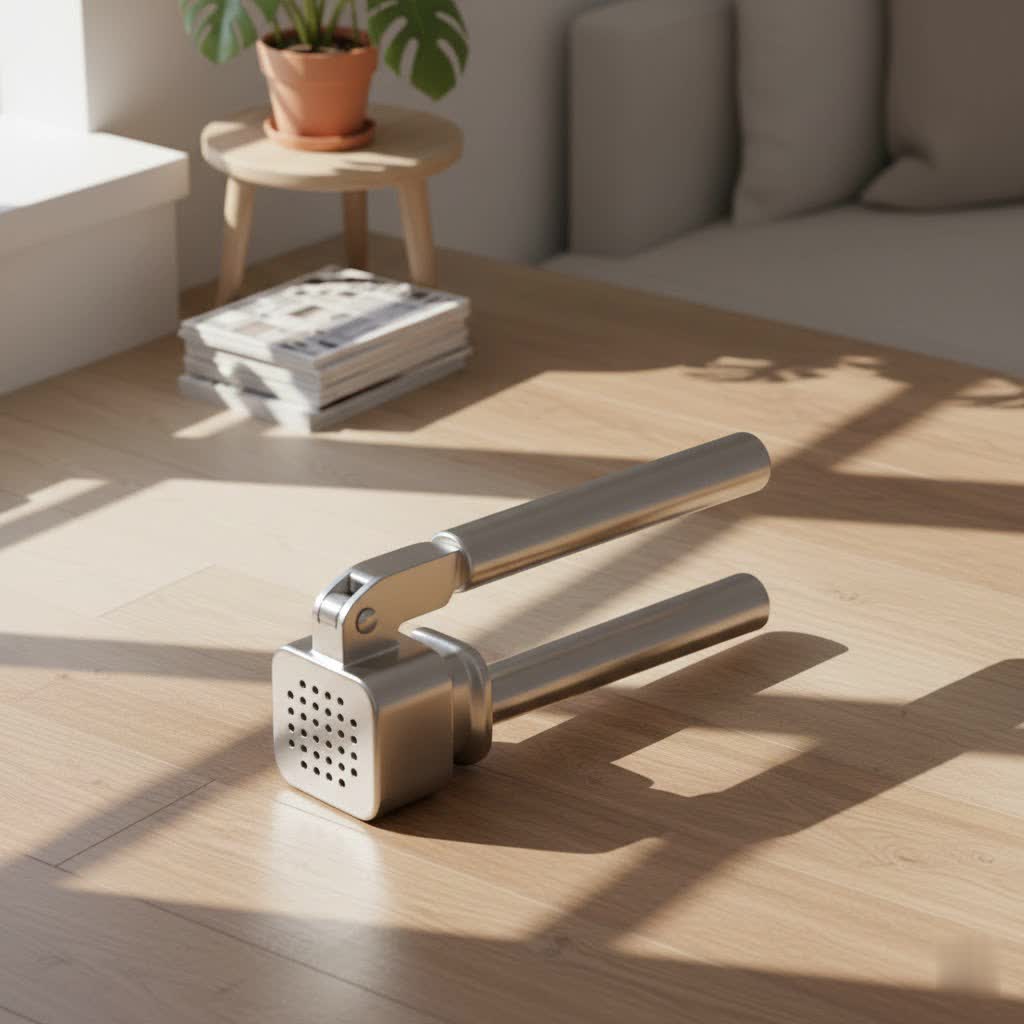
Have you ever found yourself in the kitchen, knife in hand, painstakingly mincing garlic clove after clove, wishing for a faster, cleaner way to infuse your dishes with that irresistible aroma? You’re not alone. For home cooks and culinary enthusiasts alike, the Garlic Press Tool isn’t just another gadget; it’s a game-changer, promising efficiency, convenience, and a burst of flavor that knife work often can’t match. With over a decade of experience navigating the world of kitchen tools, I’ve squeezed, twisted, and rocked countless models, from budget-friendly finds to high-end designs. Join me as we unlock the secrets to choosing, using, and maintaining the perfect garlic press for your culinary journey.
What is a Garlic Press Tool? Why You Need One in Your Kitchen
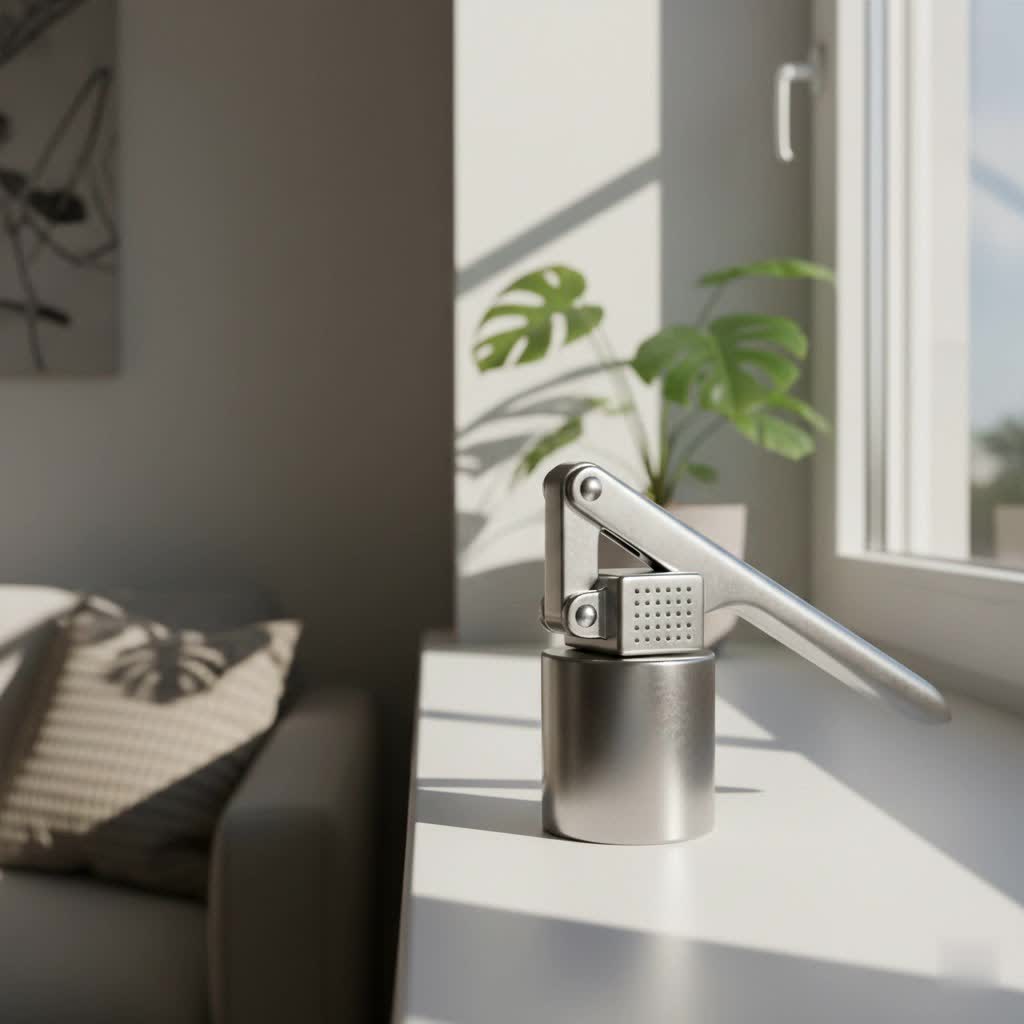
A garlic press tool is a handheld device designed to crush garlic cloves, extruding the minced garlic through a grid of small holes. Its primary function is to transform whole garlic cloves into a fine paste or mince with minimal effort, significantly speeding up meal preparation. Beyond the sheer convenience, using a garlic press offers several distinct advantages over traditional knife mincing.
Firstly, it saves precious time. Imagine preparing a large batch of pesto or a garlic-heavy marinade; a press can process multiple cloves in seconds, where knife work would take minutes, and often leave behind sticky, pungent fingers. Secondly, it ensures a consistent texture. The finely pressed garlic releases more allicin, the compound responsible for garlic’s potent flavor and aroma, resulting in a more intense and evenly distributed garlic essence in your dishes. Finally, many modern garlic presses are designed to handle unpeeled cloves, further streamlining your prep and keeping your hands cleaner. It’s a tool that empowers both novice and seasoned cooks to embrace garlic in their cooking with newfound ease.
Exploring the Popular Types of Garlic Press Tools: Pros and Cons
The world of garlic presses offers a surprising variety, each with its unique mechanism and benefits. Understanding these different types is key to finding the tool that best suits your cooking style and physical needs.
Based on Operation Mechanism:
- Lever-Action (Pincer) Garlic Press: This is the most common design, resembling a pair of pliers. You place a garlic clove in a chamber, and by squeezing the handles together, a plunger pushes the garlic through a perforated screen.
- Pros: Highly efficient for quick mincing, often capable of pressing unpeeled cloves, good for producing a fine paste.
- Cons: Can require significant hand strength, especially with multiple or larger cloves; cleaning can sometimes be tricky if not designed with a removable grid or self-cleaning feature.
- Rocker Garlic Press: This innovative design features a curved, perforated plate with handles. You place a peeled garlic clove on a cutting board, position the rocker over it, and apply downward pressure while rocking it back and forth.
- Pros: Requires less hand strength, ideal for those with limited mobility or arthritis, compact for storage, and produces a more rustic, knife-like mince rather than a paste. Stainless steel versions can help remove garlic odor from hands.
- Cons: Typically requires garlic to be peeled first, can leave some garlic behind, and often needs multiple passes for a finer mince. It also utilizes a cutting board, which then needs cleaning.
- Twisting Garlic Press: Often made from polycarbonate plastic, these presses involve placing peeled garlic cloves into a chamber and then twisting the two halves of the tool together to grind and mince the garlic.
- Pros: Very compact, versatile for other ingredients like ginger or shallots, and the clear design allows you to see the mince consistency.
- Cons: Can be challenging to clean due to trapped bits, may not handle unpeeled garlic, and might require more effort for larger quantities.
Based on Material:
- Stainless Steel Garlic Press: Revered for its durability and hygiene, stainless steel is a top choice.
- Pros: Rust-proof, highly durable, often dishwasher-safe (though hand-washing is still recommended for longevity), and some claim stainless steel can help neutralize garlic odors on hands. Many models can crush even sprouted cloves.
- Cons: Can be heavier and typically pricier than other materials.
- Aluminum Garlic Press: A more budget-friendly and lightweight option.
- Pros: Inexpensive and light, making it easy to handle.
- Cons: Prone to rusting, especially when exposed to acidic garlic or dishwashers, and can react with garlic to produce a metallic taste. Less durable and may need frequent replacement.
- Plastic Garlic Press: The lightest and often most colorful option.
- Pros: Very lightweight and affordable.
- Cons: Less durable, can crack, difficult to clean as garlic tends to clog permanently, and can absorb odors. Generally not recommended for frequent use.
Detailed Comparison Table: Choosing Your Ideal Garlic Press Tool
This table offers a quick overview to help you weigh the options when considering different garlic press tools.
| Feature | Lever-Action (Pincer) | Rocker | Twisting |
|---|---|---|---|
| Ease of Use | Good, but requires hand strength | Excellent for limited mobility | Good, requires twisting action |
| Mince Quality | Fine paste | Coarse to fine (multiple passes) | Very fine mince/paste |
| Unpeeled Garlic | Often yes | No (peeled recommended) | No (peeled recommended) |
| Cleaning | Varies, best with self-cleaning features | Very easy, minimal parts | Can be challenging (small crevices) |
| Storage | Can be bulky | Compact, flat design | Very compact |
| Versatility | Primarily garlic | Garlic, sometimes ginger | Garlic, ginger, shallots, nuts |
| Common Materials | Stainless steel, chrome-plated zinc, aluminum | Stainless steel | Polycarbonate plastic |
When considering materials, remember that stainless steel offers longevity and rust resistance, making it suitable for daily use. Aluminum is cheaper but less durable and prone to corrosion. Plastic is the most affordable and lightweight, but often lacks durability and can be difficult to clean effectively in the long run.
Crucial Factors to Consider When Buying a Garlic Press Tool
Selecting the right garlic press isn’t just about picking the first one you see. Based on extensive testing and user feedback, several critical factors will influence your satisfaction and the longevity of your investment.
Material Quality: The Foundation of Durability and Performance
The material of your garlic press significantly impacts its durability, ease of cleaning, and even the taste of your garlic. Always prioritize quality materials.
- Stainless Steel: This is the gold standard. Opt for high-grade stainless steel as it’s resistant to rust, corrosion, and odors. It’s also non-reactive, ensuring your garlic retains its pure flavor. While often dishwasher-safe, hand-washing can further extend its life, especially for models with intricate parts.
- Avoid Aluminum and Flimsy Plastic: While cheaper, aluminum can corrode quickly and impart a metallic taste to your garlic due to its reactivity with acidic compounds. Flimsy plastic models tend to break, stain, and become breeding grounds for bacteria in their hard-to-clean crevices. A good garlic press should feel substantial and sturdy in your hand.
Operation Mechanism and Ease of Use: A Smooth Squeeze or Rock
The way a garlic press operates dictates how comfortable and efficient it is for you.
- Hand Strength: If you have strong hands or press garlic frequently, a robust lever-action (pincer) press made from stainless steel will likely serve you well. Look for models with ergonomic, padded handles that provide a comfortable grip and minimize strain.
- Mobility Concerns: For individuals with arthritis or limited hand strength, a rocker-style press or a double-lever assisted press (a type of pincer press designed for easier squeezing) can be a godsend. These designs reduce the force required, making garlic prep enjoyable again.
- Unpeeled Cloves: Many high-quality lever presses are designed to handle unpeeled garlic, where the skin remains in the chamber, making cleanup simpler. This is a significant time-saver.
Size, Design, and Capacity: Tailored to Your Needs
Consider how much garlic you typically prepare and your storage space.
- Chamber Size: If you frequently cook for a crowd or use large amounts of garlic, a press with a generous chamber that can accommodate multiple cloves (or even an oversized single clove) will be more efficient.
- Hole Size and Shape: The size and shape of the holes determine the texture and intensity of your minced garlic. Smaller, round holes tend to produce a very fine, pungent paste, releasing more allicin. Larger, square holes yield a coarser, more knife-like mince with a milder flavor. Choose based on your preference.
- Ergonomic Design: A well-designed press should fit comfortably in your hand. Look for features like non-slip grips and a balanced weight.
Ease of Cleaning: The Unsung Hero of a Good Garlic Press
A garlic press that’s difficult to clean will quickly end up in the back of your drawer. This is arguably one of the most critical factors.
- Removable Grid/Screen: This feature is paramount. A grid that flips out or can be easily detached allows for thorough cleaning, preventing garlic bits from drying and hardening in tiny holes.
- Self-Cleaning Mechanisms: Some presses incorporate a built-in scraper or plunger that pushes out excess garlic and skins. The Dreamfarm Garject, for instance, has a clever design that scrapes the garlic clean and ejects the peel automatically, minimizing manual effort.
- Integrated Cleaning Tools: Many presses come with a small brush or pick designed to clear out stubborn bits. Ensure it clips securely to the press to avoid getting lost.
- Dishwasher Safety: While many brands claim their stainless steel presses are dishwasher-safe, hand-washing immediately after use is often the best way to prevent residue buildup and ensure longevity. If using a dishwasher, place it on the top rack.
Price and Value: An Investment, Not Just an Expense
Garlic presses range from under $10 to over $50. While budget options exist, remember that a higher price often correlates with better materials, construction, and features that contribute to ease of use and durability. A quality stainless steel press with thoughtful design is an investment that can last for years, saving you money in the long run compared to constantly replacing cheaper models. Aim for a mid-range price point ($25-$40) for a balance of quality and value.
Expert Tips for Using and Maintaining Your Garlic Press Tool
Even the best garlic press needs to be used and cared for correctly to maximize its performance and lifespan. These tips, honed over years in the kitchen, will ensure you get the most out of your tool.
Effective Usage Tips:
- Embrace Unpeeled Cloves (for most presses): For many lever-action presses, it’s more efficient to press garlic cloves with their skins on. The papery skin remains in the chamber while the minced garlic is extruded. This saves you the tedious task of peeling and often results in a cleaner press. However, for rocker or twisting presses, peeling is usually necessary.
- Use Fresh, Firm Garlic: A good press excels with fresh, firm garlic cloves. Avoid using sprouted garlic, which has a tougher core that can jam the mechanism, or roasted garlic, which is too soft and will simply mash without pressing effectively.
- Fill the Chamber Appropriately: Don’t overstuff the chamber, as this can make pressing difficult and lead to uneven mincing or leakage. Most presses perform best with one or two medium-sized cloves at a time.
- Chill for Less Mess: If your press tends to leak juice, try chilling your garlic cloves in the refrigerator for 10-15 minutes before pressing. Cold garlic is less prone to becoming runny.
- Press Directly into Your Dish: To minimize contact and cleanup, press the garlic directly into your pan, bowl, or pot whenever possible.
Proper Cleaning and Storage:
> “The secret to a long-lasting garlic press isn’t just about how well it’s made, but how quickly and thoroughly you clean it after every single use.” – Antonio Rodriguez, Kitchen Tool Expert.
- Clean Immediately: This is perhaps the most crucial rule. Garlic is sticky and dries quickly, turning into a cement-like residue that’s incredibly hard to remove. Rinse your press under hot running water immediately after use.
- Disassemble (if applicable): If your press has a removable grid or parts, take them apart for a more thorough cleaning. Use the included cleaning tool or a small brush (like an old toothbrush) to dislodge any stuck bits from the holes and crevices.
- Soak for Stubborn Residue: For dried-on garlic, soak the grid or entire press in a mixture of equal parts white vinegar and warm water for about 15 minutes. This helps dissolve organic matter. Avoid harsh abrasive scrubbers, which can scratch the surface and make future cleaning harder.
- Hand-Wash for Longevity: Even if labeled “dishwasher-safe,” hand-washing is generally recommended, especially for models with plastic components or intricate hinges, to prevent warping and ensure all garlic residue is removed.
- Dry Thoroughly and Store Disassembled: After washing, dry all parts completely to prevent water spots and rust. If your press can be disassembled, store it that way to prevent springs from losing tension over time.
Top 5 Garlic Press Tools Loved by Home Cooks
Based on extensive testing, user reviews, and expert insights, these five garlic press tools consistently stand out for their quality, performance, and user-friendly features.
- OXO Good Grips Garlic Press: A consistent top performer, praised for its sturdy construction, comfortable soft-grip handles, and large chamber. It easily presses unpeeled garlic and has a built-in cleaner that pushes out skins, making cleanup relatively straightforward. It produces a consistent, medium-fine mince.
- Dreamfarm Garject Garlic Press: Often hailed as the “self-cleaning” marvel, this high-end press features an integrated scraper tool that automatically scrapes garlic from the press and an eject button to remove peels. It’s known for its sleek design, efficient mincing of multiple cloves (even unpeeled), and minimal contact with garlic.
- Joseph Joseph Garlic Rocker: An excellent alternative for those with hand strength concerns or who prefer a knife-like mince. This stainless steel rocker is compact, easy to use by simply rocking over peeled garlic, and the metal can help reduce garlic odor on hands during cleaning.
- Alpha Grillers Garlic Press and Peeler Set: A heavy-duty stainless steel lever-action press known for its robust construction and ability to handle unpeeled garlic. It comes with a silicone peeler tube, adding extra value, and features comfortable handles for easy squeezing.
- Kuhn Rikon Epicurean Garlic Press: A premium, heavy-duty press with a very well-constructed design. It crushes cloves effortlessly due to its efficient design and features a flip-out screen for easier cleaning. It’s often recommended for its superior build and effectiveness.
These models represent a range of designs and price points, but all share a common thread of reliability and user satisfaction in the demanding task of garlic preparation.
Where to Buy a Reliable and Quality Garlic Press Tool
Finding a quality garlic press tool is easier than ever with numerous reputable retailers both online and in brick-and-mortar stores.
Brick-and-Mortar Stores:
- Specialty Kitchen Stores: Stores like Williams Sonoma, Crate & Barrel, or Sur La Table often carry a curated selection of high-quality garlic presses from reputable brands. You can physically hold and test the feel of the press.
- Department Stores: Major department stores (e.g., Macy’s, Kohl’s) often have kitchenware sections with a variety of options.
- Home Goods Stores: Retailers like IKEA or HomeGoods can offer affordable and sometimes surprisingly sturdy options, but inspect them carefully for quality indicators like handle stability and removable grids.
Online Retailers:
- Amazon: Offers the widest selection, often with competitive pricing and extensive customer reviews that can be incredibly helpful. Look for “Amazon’s Choice” or “Best Seller” labels.
- Direct from Brand Websites: Purchasing directly from brands like OXO, Dreamfarm, or Joseph Joseph ensures authenticity and access to their full product range and customer support.
- Major Online Retailers: Websites like Walmart, Target, or Wayfair also carry a good selection, often with in-store pickup options.
Important Considerations for Online Shopping:
- Read Reviews: Always scour customer reviews for insights into durability, ease of cleaning, and common issues. Pay attention to reviews with photos.
- Check Return Policies: Ensure the retailer has a clear and hassle-free return policy in case the press doesn’t meet your expectations.
- Beware of Counterfeits: Especially on large marketplaces, be cautious of unusually low prices or generic listings that might indicate a counterfeit product. Stick to reputable sellers.
Your Definitive Garlic Press Tool Buying Guide
Navigating the options can be overwhelming, so here’s a concise action plan to help you confidently select your perfect garlic press:
- Define Your Needs: How often do you cook with garlic? Do you need to process large quantities, or just a clove or two? Do you prefer a fine paste or a chunkier mince?
- Set Your Budget: Determine how much you’re willing to invest. Remember, a good quality stainless steel press (typically $25-$40) is a long-term investment.
- Research Types and Materials: Based on your needs and budget, narrow down whether a lever-action, rocker, or twisting press suits you best. Prioritize stainless steel for durability and ease of cleaning.
- Read User Reviews: Leverage the experience of other home cooks. Look for consistent feedback on ease of use, performance with unpeeled garlic, and most importantly, ease of cleaning.
- Compare Features: Look for ergonomic handles, a generous chamber, a suitable hole size for your desired mince, and especially a removable grid or self-cleaning mechanism.
- Purchase from a Reputable Seller: Whether online or in-store, choose a retailer known for quality kitchen tools and good customer service.
Conclusion
The garlic press tool, far from being a single-use gadget, is a versatile kitchen essential that can significantly enhance your cooking experience. From the convenience of mincing multiple cloves in seconds to the intense flavor it imparts, a well-chosen garlic press simplifies prep and elevates your dishes. By considering factors like material quality, ease of use, and paramount ease of cleaning, you can find a durable and efficient tool that will be a joy to use for years. So go ahead, embrace the garlicky goodness, and let your new garlic press take the effort out of your culinary creations. What’s your favorite way to incorporate freshly pressed garlic into your meals?
Frequently Asked Questions
What is the primary benefit of using a garlic press tool over a knife?
A garlic press tool offers significant speed and efficiency, especially when preparing multiple cloves, and it produces a very fine, consistent mince or paste. This texture can release more potent garlic flavor into your dishes compared to traditional knife mincing, and it helps keep your hands free of garlic odor.
Do I need to peel garlic before using a garlic press?
For many lever-action garlic presses, you often don’t need to peel the garlic. The press is designed to extrude the garlic flesh while leaving the papery skin behind in the chamber, which simplifies the preparation and cleanup process. However, some types, like rocker or twisting presses, typically require peeled cloves for best results.
How do I effectively clean a garlic press tool?
The most crucial step is to clean your garlic press immediately after use to prevent garlic residue from drying and hardening. If your press has a removable grid, detach it. Use a small brush or the included cleaning tool to dislodge any trapped garlic bits. For stubborn residue, soak the press in a warm water and white vinegar solution. Hand-washing is generally recommended for thoroughness and longevity.
Can a garlic press be used for other ingredients besides garlic?
Yes, some garlic presses are versatile enough to handle other ingredients. Twisting presses, in particular, often work well for ginger, shallots, or soft nuts. For fibrous ingredients like ginger, it’s best to peel and cut them into smaller pieces before pressing. Always check the manufacturer’s instructions to avoid damaging your specific press.
Why does my pressed garlic sometimes taste bitter or too pungent?
The fine mincing action of a garlic press releases a higher concentration of allicin, the compound responsible for garlic’s intense flavor. If the garlic is pressed very finely, it can sometimes taste more pungent, even acrid, than knife-chopped garlic. The bitterness can also be exacerbated by using older, sprouted garlic or leaving the pressed garlic exposed to air for too long before cooking.