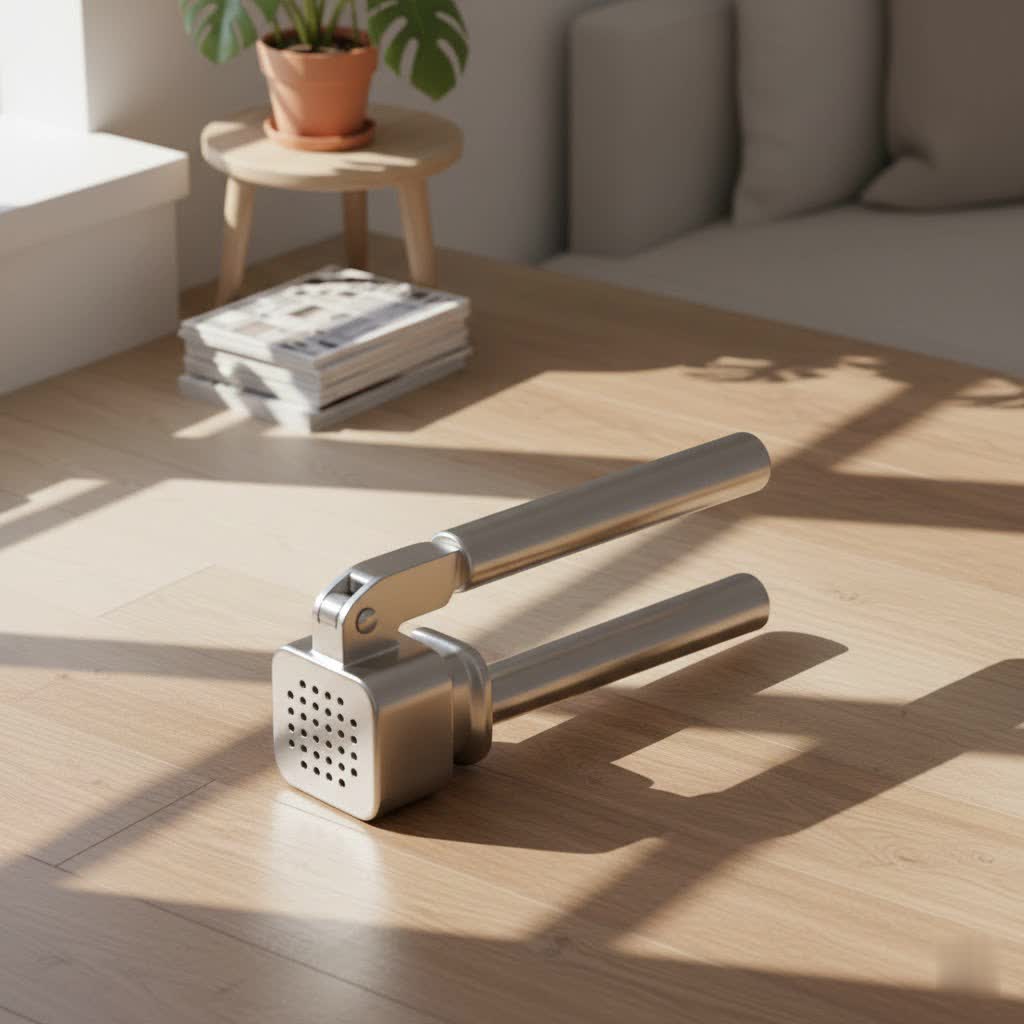
Step into a world where kitchen tools tell stories of craftsmanship and enduring utility. While modern kitchens boast sleek, often disposable gadgets, there’s a profound appreciation for items from a bygone era that whisper tales of robust engineering and timeless design. Among these cherished relics, the Antique Garlic Press stands out. More than just a tool for crushing cloves, a vintage garlic press represents a blend of history, robust engineering, and an aesthetic appeal that continues to captivate home cooks and collectors alike. It’s not merely about nostalgia; it’s about rediscovering a kitchen essential that often outshines its contemporary counterparts in both performance and longevity. Join us as we explore the fascinating world of these enduring culinary treasures.
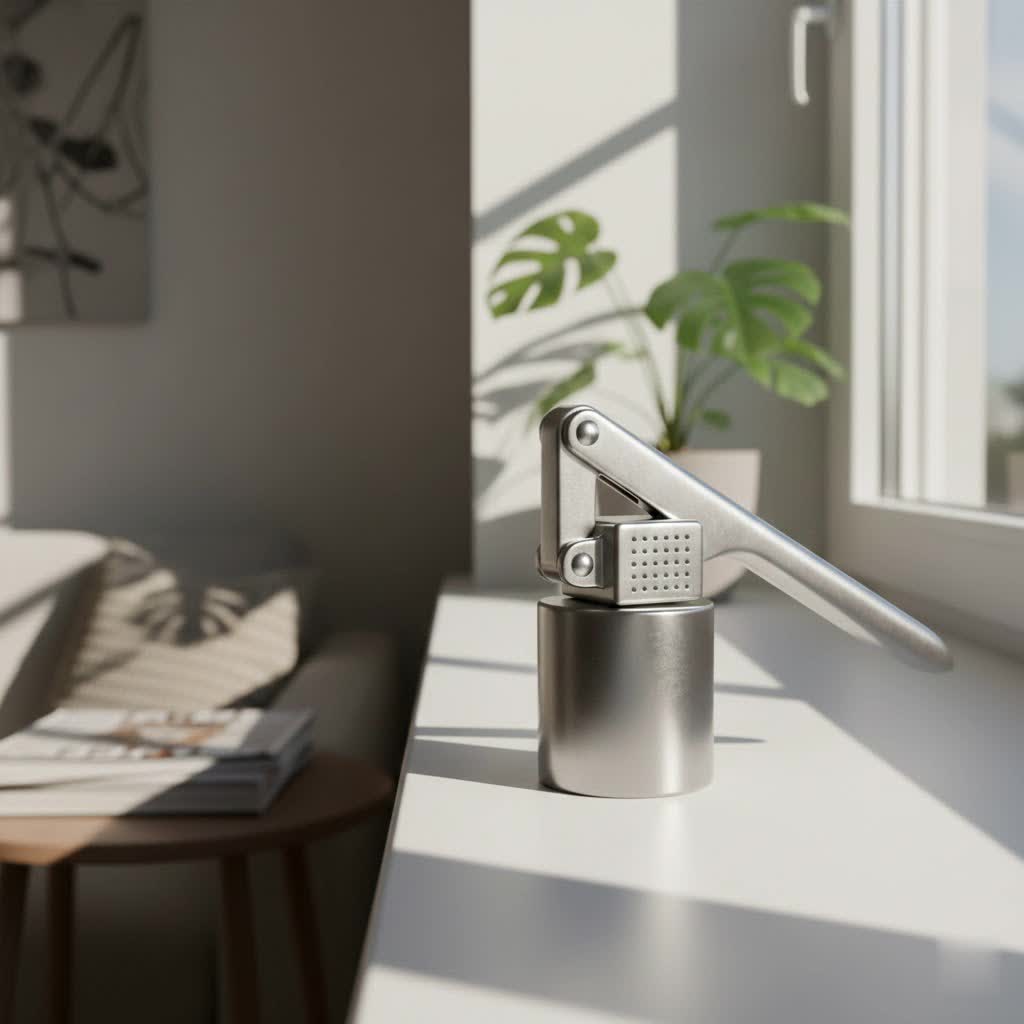
What is an Antique Garlic Press and Why Does it Matter?
An antique garlic press typically refers to models produced before the widespread introduction of less durable plastics in kitchenware, often dating back several decades or even further. These pieces stand apart from their modern counterparts through their superior construction, durable materials, and often unique designs that speak to a different era of manufacturing. They matter because they embody a philosophy of making tools to last, offering a tactile connection to culinary history, and frequently providing a more satisfying and effective user experience than many current models.
A Journey Through Time: The History of the Garlic Press
The concept of crushing garlic is as old as civilization itself, with evidence tracing back to ancient Egyptian times, around 1550 BC, where rudimentary tools were used to prepare this pungent bulb. For centuries, cooks relied on sharp knives for mincing or simple pounding tools to achieve a paste, a process that was effective but often messy. The first significant step toward a specialized tool came in 1945, when American inventor Soloman Green patented a design for a handled garlic press. However, the true revolution in garlic preparation arrived shortly after, in 1948, thanks to Karl Zysset, a Swiss bicycle mechanic from Lyss. Inspired by the practical design and leverage principle of bicycle brakes, Zysset developed a groundbreaking tool that could efficiently crush unpeeled garlic cloves without direct hand contact. This ingenious invention, initially named the “Susi 3,” paved the way for the Zyliss company, founded by Zysset in 1951, which would popularize the garlic press globally. His innovation marked a milestone in kitchen utensil design, making garlic preparation quicker, cleaner, and more accessible for everyone. Famous chefs, like Julia Child, were known to be fans of the original Zyliss Susi, further cementing its place in culinary lore.
Identifying Your Antique Garlic Press: Key Characteristics
When distinguishing an antique garlic press, several characteristics often give away its age and quality, setting it apart from newer models. These older tools often boast distinct features that speak to their durability and design philosophy.
Materials
Bảng trống.The hallmark of many a vintage garlic press is its construction from heavy-duty, durable materials. Cast aluminum is exceptionally common, known for its strength and relatively light weight. You’ll also find models made from iron or robust stainless steel, often with a satisfying heft that immediately conveys quality. These materials contrast sharply with the lighter, often less durable plastics used in many contemporary presses, signaling a commitment to longevity.
Design and Craftsmanship
Vintage models often prioritize function and robust construction. Their designs are typically simpler, yet incredibly effective, featuring strong hinge points and sturdy handles built to withstand years of rigorous use. Some innovative vintage garlic press designs even featured self-cleaning mechanisms, where a set of blunt pins would push through the perforated basket, efficiently clearing out any trapped pulp. This attention to detail and ease of maintenance was a hallmark of their superior craftsmanship.
Iconic Brands
Certain brands became synonymous with quality vintage garlic presses and are highly sought after by collectors. Zyliss, particularly its “Susi” models, holds an iconic status, renowned for its efficiency and durability. Other notable brands that appear in vintage and antique marketplaces include Pedrini from Italy and Mouli Grater from France, each with their own distinctive designs and loyal following.
Aesthetic Appeal
Beyond their utility, these tools possess a certain charm. Their classic lines, often aged patina, and sometimes intricate detailing add significant character to any kitchen. They serve not just as functional items but also as conversation pieces or cherished elements in a retro-themed decor, embodying a sense of history and warmth that modern gadgets often lack.
Common Types of Vintage Garlic Presses
Antique garlic presses come in various forms, primarily defined by their material and operating mechanism. Understanding these types can help you identify and appreciate these old-world tools.
- Lever-Style (Pincer Type): This is by far the most prevalent and recognizable design for antique garlic presses. Inspired by the leverage principle, these presses operate like a pair of pliers or tongs, using the force of your hand to push a plunger through a garlic clove placed in a perforated basket. They are designed for efficient crushing with minimal effort, often allowing you to press unpeeled cloves.
- Material-Based Categories:
- Cast Aluminum: Extremely common due to its balance of strength, lightweight properties, and resistance to rust. Many early Zyliss models and Italian-made presses were cast aluminum.
- Stainless Steel: Valued for its hygiene, durability, and resistance to corrosion, stainless steel antique presses are often heavier and more robust.
- Iron: Older, more primitive presses might be made of cast iron, offering immense durability but requiring careful maintenance to prevent rust. These often have a very rustic, farmhouse aesthetic.
- Wood: While less common for the “press” mechanism itself, some very early or primitive garlic crushers were entirely made of wood, often resembling small mortars and pestles or simple hand presses, sometimes even doubling as lemon or spice presses. These highlight the ancient origins of garlic preparation.
Variations in hopper size, plunger design, and the presence of built-in cleaning tools also distinguish different models, reflecting the ingenuity of designers striving for the perfect kitchen aid.
The Allure of Collecting Antique Garlic Presses
Collecting antique garlic presses is a hobby that appeals to culinary enthusiasts, antique collectors, and those with an eye for durable design. There are several compelling reasons why these pieces hold such appeal. For many, it’s about nostalgia, a connection to simpler times or to family heirlooms that graced kitchens of generations past. Others are drawn to the appreciation for historical kitchenware, recognizing the evolution of domestic tools and the stories they carry. Beyond sentiment, the superior quality and craftsmanship of many antique presses are undeniable; they were built to last, often outperforming newer, mass-produced items. Finally, the unique designs and aesthetic appeal make them attractive display pieces, adding character and warmth to any kitchen. Collectors often seek out rare models, presses from specific historical periods, or those with unique features or brand recognition like the early Zyliss “Susi” models.
Evaluating the Value of an Antique Garlic Press
Determining the value of an antique garlic press involves several factors, as not all old presses are equally sought after. The most significant elements influencing value include:
- Rarity: How many of these specific models were produced, and how many are still in circulation? Limited editions or very early versions can command higher prices.
- Condition: Like all antiques, the physical condition is paramount. Presses free from significant rust, damage, or missing parts will be more valuable. Minor wear and a pleasing patina, however, can enhance character.
- Brand Recognition: Iconic brands like Zyliss, particularly their early “Susi” models, tend to hold greater value due to their historical significance and reputation for quality. Presses from well-regarded Italian or French manufacturers also fare well.
- Material and Design: Durable materials like solid stainless steel or well-preserved cast aluminum often signify quality. Unique or particularly ergonomic designs can also add to the appeal and value.
- Historical Significance: Presses tied to specific culinary movements, designers, or famous figures (like Julia Child’s Zyliss Susi now in the Smithsonian) can have increased collector value.
To research current market value, consult sold listings on online marketplaces like eBay and Etsy, rather than active listings, as sold prices reflect what buyers are actually willing to pay. Participating in antique kitchenware forums or consulting with specialized antique dealers can also provide valuable insights. It’s also important to distinguish between “vintage” (typically 20-99 years old) and truly “antique” (100+ years old), as this classification can affect perception of value.
Where to Find and Care for Your Antique Garlic Press
Embarking on the quest for an antique garlic press can be a rewarding experience. These timeless tools are often found in various places, and proper care will ensure they remain cherished kitchen companions for years to come.
Where to Find
- Online Marketplaces: Websites like Etsy and eBay are prime hunting grounds for vintage and antique garlic presses. Use specific search terms like “vintage Zyliss Susi garlic press” or “cast aluminum garlic press Italy” to narrow your results. Always check seller ratings and examine photos carefully for condition.
- Antique Shops and Flea Markets: These physical locations offer the advantage of hands-on inspection. You can feel the weight, check the hinges, and assess the overall condition before purchasing.
- Estate Sales and Auctions: Often overlooked, estate sales can be treasure troves for vintage kitchenware, where you might find a high-quality garlic press at a reasonable price.
Care and Maintenance
Once you’ve acquired your antique garlic press, proper care is essential to preserve its integrity and extend its life.
- Immediate Cleaning: Garlic is sticky and acidic. Always clean your press immediately after use. Disassemble any removable parts if possible.
- Hand Washing: Most antique presses, especially those made of aluminum or iron, should be hand-washed. Avoid dishwashers, as harsh detergents and high heat can corrode aluminum, dull stainless steel, and strip away protective patinas, potentially leading to discoloration or rust. Use warm, soapy water and a stiff brush to dislodge garlic residue from the holes.
- Drying: Thoroughly dry your press immediately after washing. Moisture is the enemy of metal, especially iron and older aluminum alloys, leading to rust or corrosion.
- Storage: Store your garlic press in a dry place. If it’s iron, a light coating of food-grade mineral oil can help prevent rust during long-term storage.
- Restoration Tips: For minor rust on iron or steel, a paste of baking soda and water or fine steel wool can be used carefully, followed by thorough drying and oiling. For wooden presses, occasional conditioning with food-safe oil (like mineral oil or butcher block oil) will prevent drying and cracking.
By following these simple care instructions, your antique garlic press can continue to serve you for many more years, a testament to its original craftsmanship.
Conclusion
The antique garlic press, far from being a mere relic of the past, continues to hold a significant place in the modern kitchen. Its enduring appeal lies not only in its robust construction and often superior functionality compared to many contemporary gadgets, but also in the rich history and character it brings to culinary spaces. These timeless tools embody a legacy of quality and design, proving that some kitchen essentials are simply built to last. Whether you’re a seasoned collector or simply seeking a durable, beautiful addition to your kitchen, exploring the world of antique garlic presses offers a unique blend of practicality, history, and charm. What stories will your next vintage kitchen find tell?
Câu Hỏi Thường Gặp
What makes a garlic press “antique” instead of just “old”?
Generally, an item is considered “antique” if it is 100 years old or more, while “vintage” refers to items typically between 20 and 99 years old. For garlic presses, models from the early 20th century or earlier would be antique, while those from the mid-to-late 20th century (like early Zyliss Susi models) are often classified as vintage.
Are antique garlic presses better than modern ones?
Many enthusiasts and collectors argue that antique garlic presses, particularly those made from heavy-duty cast aluminum or stainless steel, often boast superior durability, craftsmanship, and ergonomic design compared to some lighter, plastic-heavy modern counterparts. Their robust construction was designed for longevity, providing a satisfying user experience that has stood the test of time.
How do you clean an old garlic press without damaging it?
Always hand wash antique garlic presses with warm, soapy water and a stiff brush immediately after use to prevent garlic residue from drying and hardening. Avoid dishwashers, especially for aluminum or iron presses, as they can cause discoloration, corrosion, or rust. Ensure the press is thoroughly dried after washing and consider a light coating of food-grade mineral oil for iron models during storage.
Which brands of antique garlic presses are most valuable?
Among collectors, brands like Zyliss, particularly their early “Susi” models, are highly sought after due to their historical significance and reputation for quality and efficient design. Other valuable finds might include well-preserved presses from renowned Italian manufacturers such as Pedrini, or French brands like Mouli Grater, especially those with unique features or pristine condition.
Can an antique garlic press be used for purposes other than garlic?
While primarily designed for garlic, many robust antique garlic presses can effectively mince or crush other small, soft ingredients like ginger, capers, or even small olives, depending on the size and strength of the press. However, using them for harder items could potentially damage the mechanism or perforations, so it’s best to stick to softer ingredients.