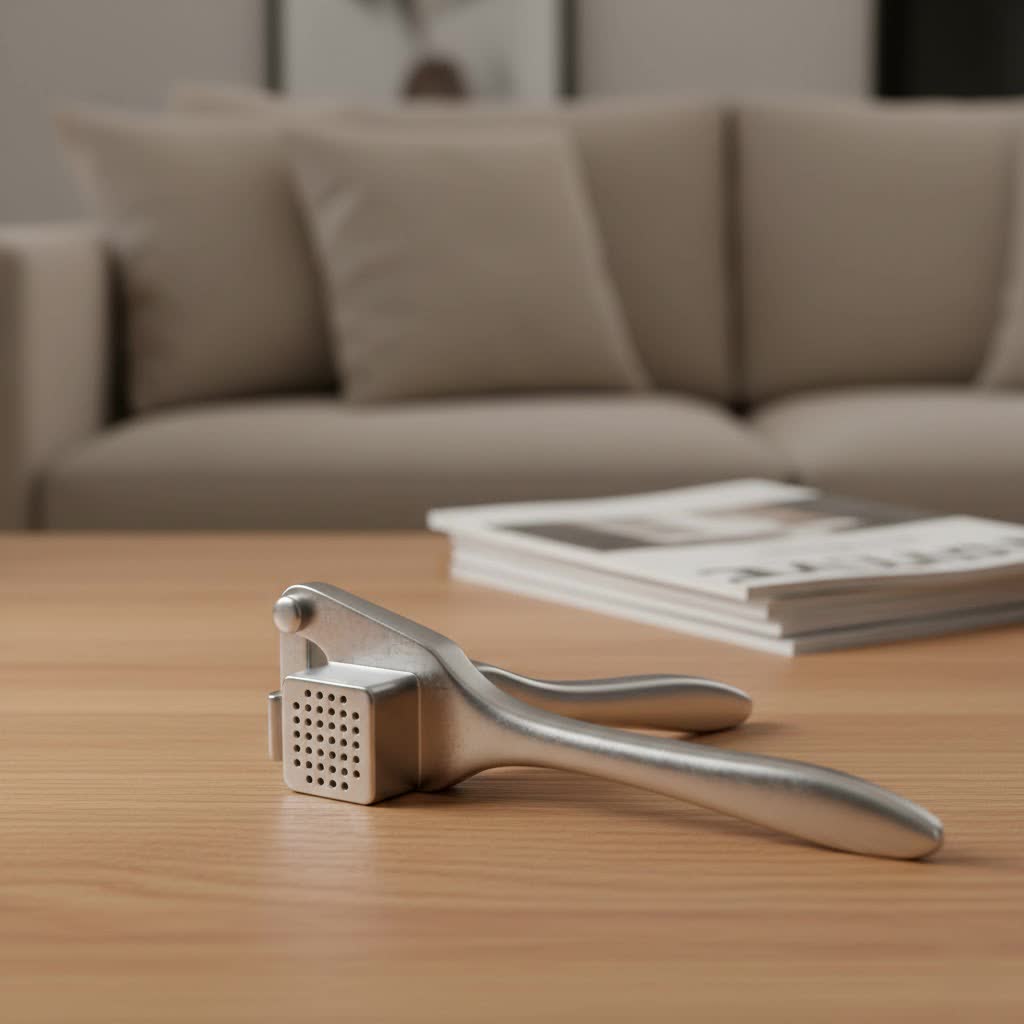
Ginger, with its warm, spicy, and fragrant notes, is a cornerstone in countless culinary traditions, from vibrant stir-fries to soothing teas. Its distinctive flavor elevates dishes, but preparing it can sometimes feel like a chore. Many home cooks, seeking a shortcut, often wonder: Can a trusty garlic press, a staple for mincing garlic cloves, handle the fibrous nature of fresh ginger? This article dives deep into that question, offering insights, best practices, and alternative methods to help you achieve perfectly minced ginger with ease.
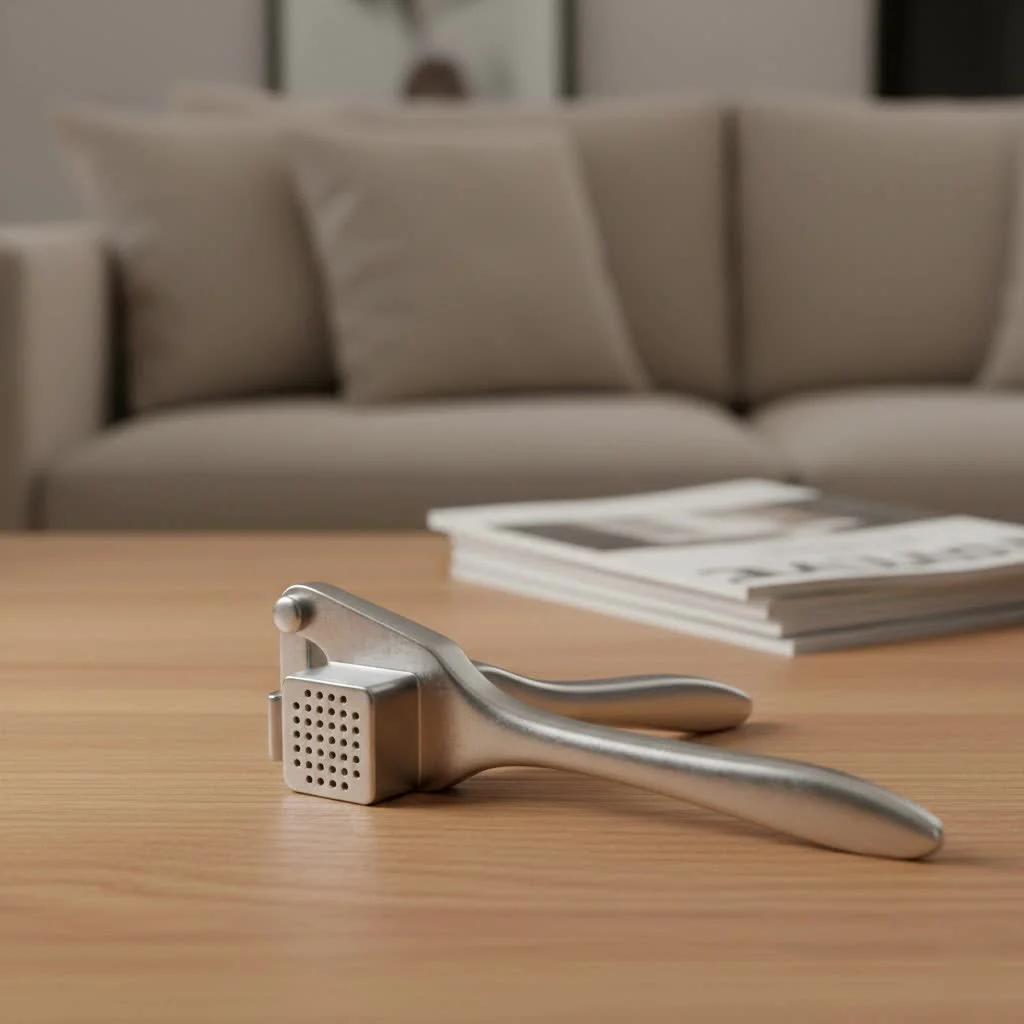
What is a Garlic Press and Why Consider it for Ginger?
A garlic press is a handheld kitchen tool designed to crush garlic cloves, forcing them through small holes to produce a finely minced paste. It’s lauded for its ability to save time, reduce the need for knife skills, and minimize garlic-scented hands. Given these benefits, it’s natural to consider if this convenient gadget could work its magic on ginger, another root vegetable often required in a minced form. The appeal lies in the promise of a quick, effortless way to transform a tough ginger root into a fine paste suitable for cooking. For complete garlic presses library on this site.
The Reality: Can You Really Press Ginger in a Garlic Press?
The short answer is: yes, but with notable limitations. While a garlic press can process ginger, the results often differ significantly from pressing garlic. Ginger’s inherent fibrous structure is the primary challenge. When squeezed, ginger tends to yield more liquid (ginger juice) and leaves behind a substantial amount of stringy, fibrous pulp in the press, rather than a uniformly fine mince. Some users report that it “takes longer but it does work,” indicating it’s not always the seamless process one might hope for. However, with certain types of presses and proper preparation, it is possible to get usable results.
Pros and Cons of Using a Garlic Press for Ginger
Attempting to press ginger in a garlic press comes with its own set of advantages and disadvantages. Understanding these can help you decide if it’s the right method for your kitchen.
Pros:
- Potential for Quick Mince: For small quantities and less fibrous ginger, a garlic press can indeed offer a quicker way to get finely processed ginger compared to traditional knife mincing, especially for those less confident with knife skills.
- Minimal Knife Skills Required: Similar to garlic, the press eliminates the need for intricate chopping, making it accessible for all skill levels.
- Peel Separation Trick: Some anecdotal evidence suggests that if you place unpeeled ginger (cut side down) into the press, the peel can sometimes be left behind in the chamber while the pulp is extruded, saving a peeling step.
- Reduced Hand Odor: Directly handling ginger is minimized, potentially reducing the lingering aroma on your hands.
Cons:
|
Our Picks for the Best Garlic Press in 2026
As an Amazon Associate I earn from qualifying purchases.
|
||
| Num | Product | Action |
|---|---|---|
| 1 | Kitessensu High Effective Garlic Press With Studs, Heavy Duty Garlic Mincer, Easy to Squeeze and Clean, Rust Proof & Dishwasher Safe, Ginger Crusher- Imperial Silver |

|
| 2 | OXO Good Grips Stainless Steel Garlic Press |
|
| 3 | No Peeling Required Garlic Press Stainless Steel with Detachable Handle for Fine Mincing-Premium Garlic Mincer Tool, Rust-Proof, Easy to Clean, Dishwasher Safe Garlic Crusher with Lifetime Replacement |
|
| 4 | 5L 110V Black Garlic Full Automatic Intelligent Fermenter, Applicable to Yogurt, Natto, Sweet Rice,Kimchi machine Adjustable Temperature & Time Control |
|
| 5 | OXO Good Grips Heavy Duty Garlic Press, Die-Cast Zinc, Black |
|
| 6 | 100+250+400ML Electric Garlic Chopper, 6 Blades Garlic Mincer, Mini USB Portable Vegetable Chopper, Onion Grinder, Small Food Processor for Ginger, Chili, Fruit, Meat |
|
| 7 | Zulay Kitchen Large Premium Garlic Press Set - Bigger Bowl for Bigger Garlic - Rust Proof Garlic Mincer Tool - Easy-Squeeze, Easy-Clean Silicone Garlic Peeler & Brush (Silver) |
|
| 8 | Zulay Kitchen Premium Garlic Press Set - Rust Proof Professional Garlic Mincer Tool - Easy-Squeeze, Easy-Clean with Soft, Ergonomic Handle - Silicone Garlic Peeler & Brush (Silver) |
|
| 9 | GORILLA GRIP Garlic Press and Peel Set, Heavy Duty Mincer Tool, Large Ergonomic Handle, Easily Mince, Crush Garlics Ginger Nuts, Peeler Included for Peeling Cloves, Holiday Prep Kitchen Gadgets, Black |
|
| 10 | ORBLUE Garlic Press Stainless Steel - Premium Professional Grade Garlic Mincer, Crusher & Peeler Set - Easy Clean, Dishwasher Safe & Rust-proof |
|
- High Fiber Content Clogs the Press: This is the most significant drawback. Ginger’s tough fibers easily get stuck in the small holes of the press, leading to clogging and making it difficult to push the ginger through.
- Yields More Juice, Less Solid Ginger: Due to the pressing action, a considerable amount of ginger juice is extracted, while the fibrous solids are often retained in the press, leading to less usable minced ginger and potential waste.
- Requires Significant Hand Strength: Overcoming the resistance of ginger’s fibers demands considerable force, which can be challenging for some and may even risk damaging the press, especially if it’s not robustly built [cite: 3 (search 3), 4 (search 1)].
- Difficult to Clean: The trapped fibers make cleaning the press a tedious task, often requiring a brush or a dedicated cleaning tool to dislodge all the residue.
- Inefficient Use of Ginger: A notable amount of ginger’s flavorful pulp can remain trapped in the press, reducing the overall yield from your ginger root.
- Risk of Damaging the Press: Repeatedly forcing fibrous ginger through a press, particularly lighter-duty models, can stress the hinges or basket, potentially leading to breakage [cite: 4 (search 1)].
Types of Garlic Presses: Which Ones (if any) Work Best for Ginger?
The effectiveness of pressing ginger can depend heavily on the type and build of your garlic press.
Traditional Squeeze Presses (Leverage Type)
These are the most common type, working like a pair of pliers. Many struggle with ginger’s fibrous texture. However, some heavy-duty, well-constructed models made of durable stainless steel may perform better. The Zyliss Susi 3 Garlic Press is specifically mentioned as being “more versatile than many other garlic presses, as it easily presses through tough ingredients like ginger,” producing a “fine, even mince” [cite: 4 (search 2)]. If you opt for this style, look for presses with sturdy construction and comfortable handles that provide good leverage.
Twisting Presses
These presses often feature two pieces that twist together, grinding the ingredient between them. The NexTrend 4th Generation Clear Garlic Twister is noted for being “Great for garlic, ginger, shallots, and more” and producing a “very fine mince” [cite: 2 (search 2)]. This mechanism might handle ginger’s fibers more effectively by shredding rather than purely crushing them.
Rocker Presses
A garlic rocker works by placing cloves on a cutting board and rocking a curved, perforated tool over them. While excellent for garlic, their design is less suited for truly “pressing” fibrous ginger. They typically yield a coarser mince and are more about crushing than extruding.
Factors to Consider for Success
If you’re determined to use a garlic press for ginger, here are some tips to maximize your chances of success:
- Ginger Quality: Always opt for fresh, firm ginger. Older, stringier ginger will be significantly more challenging to press and yield poorer results.
- Preparation: Cut the ginger into small, manageable pieces before placing them in the press. This reduces the amount of material the press needs to force through the holes simultaneously, easing the strain [cite: 3 (search 3)].
- Garlic Press Material & Design: A robust garlic press, ideally made of high-quality stainless steel, will withstand the force required better than plastic or softer aluminum models. Look for models with larger chambers and well-designed perforations.
- Technique:
- Place small pieces of ginger in the press.
- Apply steady, firm pressure. Avoid jerky movements.
- As mentioned, for unpeeled ginger, placing the cut side down might help separate the peel.
Alternative Methods for Mincing Ginger
Given the challenges of using a garlic press for ginger, many cooks turn to other, often more efficient, methods that deliver superior results.
Microplane/Grater
This is arguably the most recommended and effective tool for finely mincing ginger, especially when you want a paste-like consistency.
> “Freezing ginger is the way, it planes so well and also I never have to worry about my ginger going bad because I don’t use it up quickly enough.” – A Reddit User [cite: 1 (search 1)]
For best results, freeze your ginger root whole. When needed, grate the frozen ginger directly with a microplane. It turns into a “ginger snow” that dissolves easily into dishes and minimizes the fibrous strands [cite: 1 (search 1), 3 (search 3)]. This method also makes peeling almost unnecessary, as the skin is finely grated and largely unnoticed.
Chef’s Knife
For those with good knife skills, a sharp chef’s knife offers excellent control over the texture. Peel the ginger (a spoon works well for this), slice it thinly, stack the slices, julienne them, and then mince finely by rocking your knife back and forth [cite: 4 (search 4)].
Ceramic Ginger Grater
These specialized graters are designed specifically for ginger. They have sharp nubs that effectively separate the soft pulp from the tough fibers, yielding a fine paste with minimal effort and reducing waste [cite: 1 (search 1)].
Mortar and Pestle
A traditional mortar and pestle can be used to pound ginger into a paste, releasing its aromatic oils. This method is excellent for recipes where a truly pulverized ginger is desired [cite: 2 (search 2)].
Food Processor/Blender
For larger quantities, a small food processor or blender can quickly turn peeled and chopped ginger into a paste. You can even add a touch of oil or water to create a smoother paste, which can then be frozen in ice cube trays for future use [cite: 3 (search 1), 3 (search 3)].
Fork (Scraping)
A surprisingly effective low-tech method involves simply scraping a peeled piece of ginger against the tines of a fork. This action creates small, fine pieces of ginger suitable for many dishes [cite: 5 (search 3)].
Mẹo Sử Dụng và Bảo Quản [Garlic Press] Đúng Cách
While using a garlic press for ginger might be an occasional hack, proper use and maintenance are crucial for its longevity, regardless of what you’re pressing.
- Rinse Immediately: After use, rinse your garlic press under hot running water immediately. This prevents any residue (garlic or ginger) from drying and hardening in the perforations, making cleaning much easier.
- Use the Cleaning Tool: Many presses come with a small, pointed cleaning tool designed to push out stubborn bits from the holes. If yours doesn’t, a toothpick or a small brush can also work.
- Dishwasher Safe (Check Instructions): While many stainless steel presses are dishwasher safe, check the manufacturer’s instructions. Aluminum presses may discolor in the dishwasher [cite: 5 (search 2)].
- Store Properly: Store your press in a dry place to prevent rust (for metal presses) and keep it easily accessible.
Conclusion
While the allure of using a single tool for multiple ingredients is strong, pressing ginger in a garlic press is often a trade-off. It’s technically possible, and some durable presses like the Zyliss Susi 3 or specific twisting presses can offer decent results, especially with fresh, less fibrous ginger cut into small pieces. However, the fibrous nature of ginger often leads to clogging, reduced yield, and a messy cleanup. For consistently excellent results, alternatives like a microplane (especially with frozen ginger) or a dedicated ceramic ginger grater are generally more efficient and less frustrating. Ultimately, the best method depends on your priorities: convenience, consistency, or minimizing kitchen gadgets. Don’t hesitate to experiment with what works best for your culinary style and the specific ginger you have on hand.
Which method for mincing ginger do you find most effective in your kitchen?
Frequently Asked Questions
Does freezing ginger help with pressing it in a garlic press?
Freezing ginger is highly beneficial for grating it with a microplane, as it yields a fine “ginger snow” and makes handling easier. However, for a traditional garlic press, freezing doesn’t significantly improve the pressing action because the core issue remains ginger’s fibrous structure, which is still present even when frozen. It might make it slightly easier to cut into small pieces, but it won’t prevent clogging.
What type of garlic press is best for ginger?
While most traditional squeeze presses struggle with ginger, a few stand out. The Zyliss Susi 3 Garlic Press is often cited for its versatility in handling tougher ingredients like ginger. Additionally, twisting presses, such as the NexTrend 4th Generation Clear Garlic Twister, can be more effective as their mechanism is designed to grind, which handles ginger’s fibers better than pure compression.
Can you press unpeeled ginger in a garlic press?
Yes, you can press unpeeled ginger. A common tip suggests that if you place the unpeeled ginger (cut side down) into the press, the fibrous peel may remain in the basket while the minced ginger passes through. This can save you a peeling step, but it might also increase the amount of fibrous residue left in the press.
Why is ginger hard to press in a garlic press?
Ginger is difficult to press due to its high fiber content. Unlike garlic, which is soft and breaks down easily, ginger roots contain tough, stringy fibers that resist the pressing action. These fibers tend to get trapped and clog the small holes of the garlic press, making it challenging to extrude the ginger and often leaving a pulpy residue behind.
What are the easiest ways to mince ginger without a garlic press?
The easiest and most effective methods include using a microplane (especially with frozen ginger for a fine paste), a ceramic ginger grater designed to separate fibers from pulp, or a sharp chef’s knife for precise mincing. For larger quantities, a small food processor can create a smooth ginger paste.
Cooking gear we tested in our own kitchens
Free PDF — preheat times measured on 10 popular air fryers.
