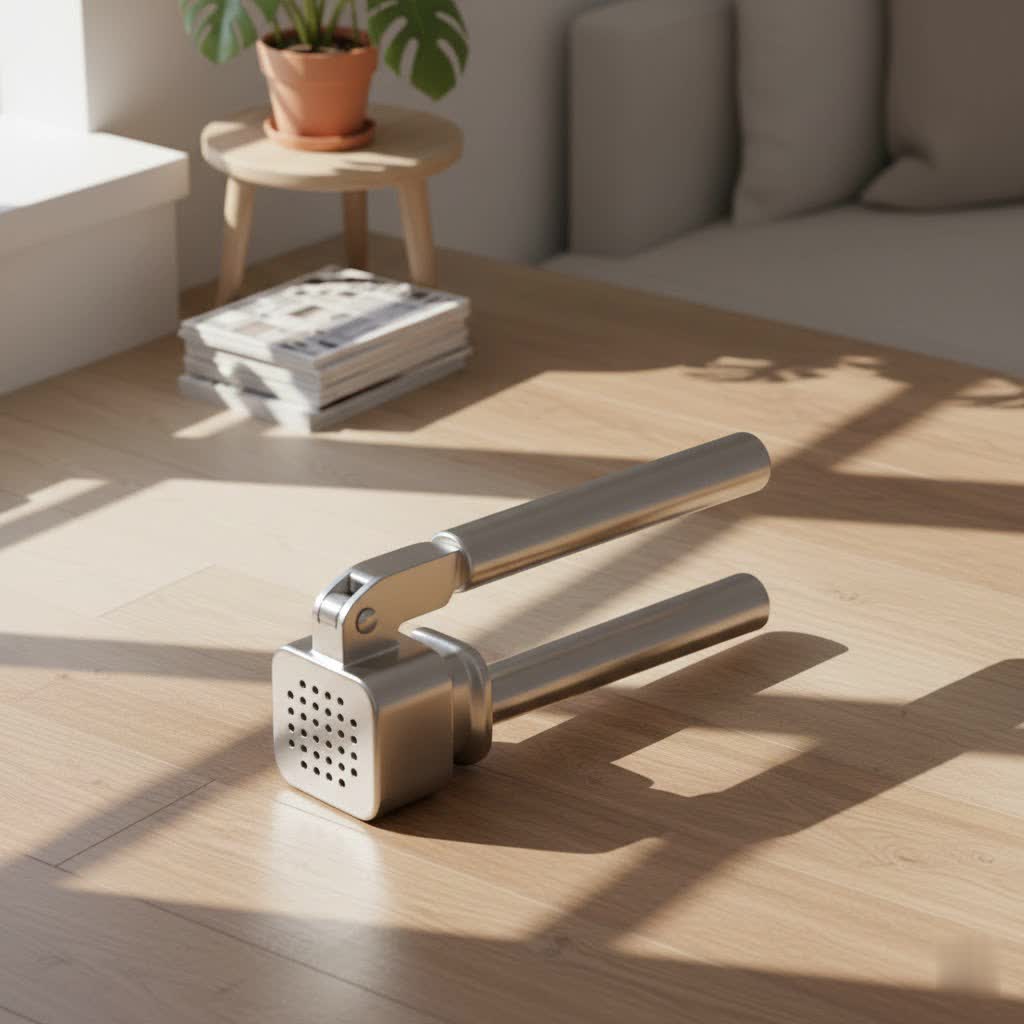
Navigating the world of kitchen gadgets can be daunting, but for any home cook who loves the aromatic depth of fresh garlic, a Good Garlic Press is an indispensable tool. Are you tired of sticky fingers, uneven minces, or struggling with a dull knife? A quality garlic press promises to transform your meal prep, offering speed, consistency, and a potent burst of flavor in every dish. This comprehensive guide will help you understand the nuances of different models, what features truly matter, and how to choose the best garlic press to elevate your culinary creations.
What is a Garlic Press? Why You Need One in Your Kitchen
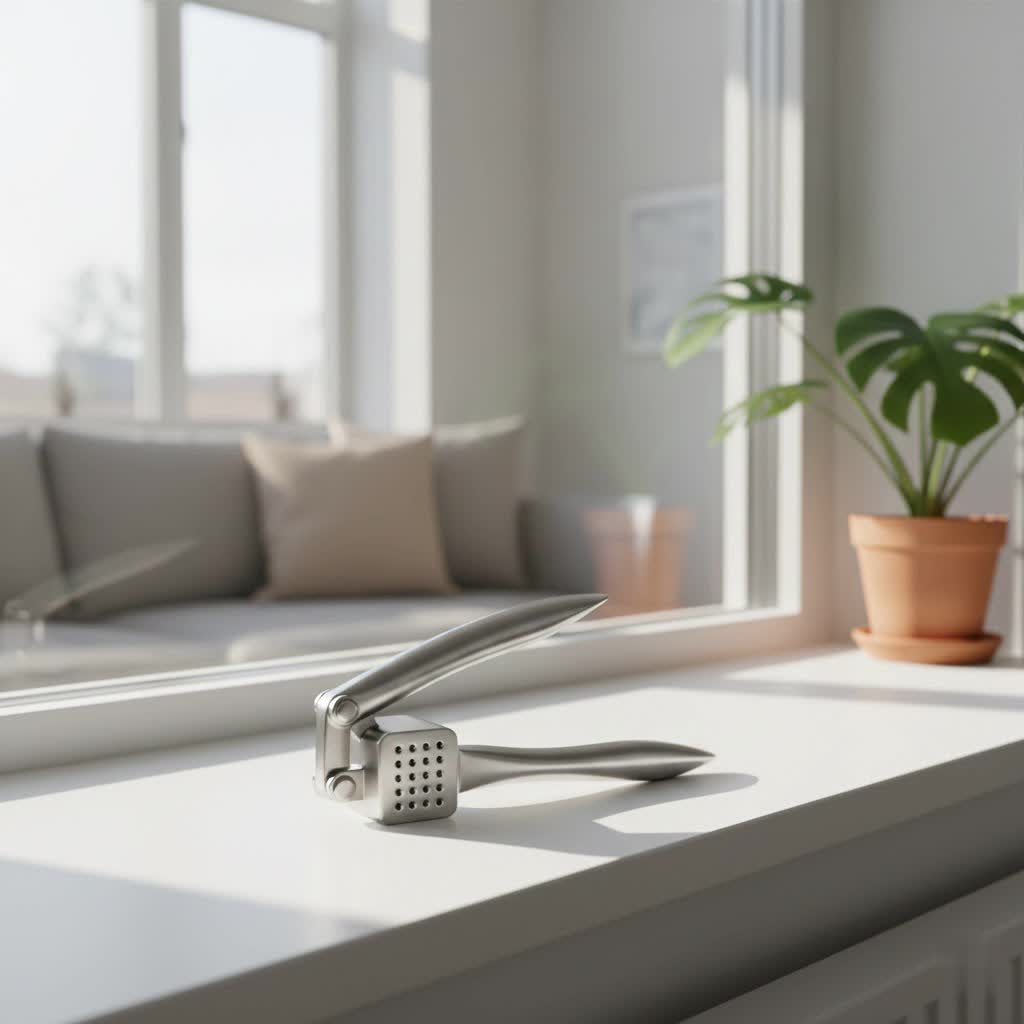
A garlic press is a kitchen utensil designed to finely mince garlic cloves by forcing them through a grid of small holes. This ingenious tool streamlines the often tedious process of chopping garlic by hand, making it significantly faster and more efficient. For many, its primary appeal lies in its ability to save time and effort, especially when preparing dishes that call for multiple cloves or a very fine, uniform texture.
Beyond convenience, a good garlic press can intensify garlic’s flavor. The crushing action breaks down more cellular walls than chopping, releasing a higher concentration of allicin, the compound responsible for garlic’s pungent aroma and distinct taste. This results in a more robust and immediate garlic presence in your cooking. While some culinary purists might argue against it as a “unitasker” or claim it produces an overly aggressive flavor, for everyday cooking and busy kitchens, a well-chosen garlic press is a genuine game-changer. It ensures consistent results and allows you to add that unmistakable garlic kick without the fuss, often even handling unpeeled cloves for maximum efficiency.
Exploring Popular Garlic Press Types: Pros and Cons
Garlic presses come in several designs, each with its own advantages and drawbacks regarding ease of use, cleaning, and the final mince quality. Understanding these differences is crucial for selecting a garlic press that aligns with your cooking style and needs.
Traditional Clamp/Pincer Style
This is the most common type, featuring two handles that, when squeezed together, push a plunger through a basket or hopper to force garlic through a perforated screen.
- Pros: Generally efficient for producing a fine mince or paste. Many models can accommodate multiple cloves, and some even press unpeeled garlic. Offers a direct, powerful pressing action.
- Cons: Can require significant hand strength. Often notorious for being difficult to clean, with garlic residue sticking to the screen and sides. Some designs can be bulky.
|
Our Picks for the Best Garlic Press in 2026
We may earn a commission when you use one of our links to make a purchase.
|
||
| Num | Product | Action |
|---|---|---|
| 1 | 100+250+400ML Electric Garlic Chopper, 6 Blades Garlic Mincer, Mini USB Portable Vegetable Chopper, Onion Grinder, Small Food Processor for Ginger, Chili, Fruit, Meat |

|
| 2 | Zulay Kitchen Premium Garlic Press Set - Rust Proof Professional Garlic Mincer Tool - Easy-Squeeze, Easy-Clean with Soft, Ergonomic Handle - Silicone Garlic Peeler & Brush (Silver) |
|
| 3 | ORBLUE Garlic Press Stainless Steel - Premium Professional Grade Garlic Mincer, Crusher & Peeler Set - Easy Clean, Dishwasher Safe & Rust-proof |
|
| 4 | OXO Good Grips Stainless Steel Garlic Press |
|
| 5 | No Peeling Required Garlic Press Stainless Steel with Detachable Handle for Fine Mincing-Premium Garlic Mincer Tool, Rust-Proof, Easy to Clean, Dishwasher Safe Garlic Crusher with Lifetime Replacement |
|
| 6 | Zulay Kitchen Large Premium Garlic Press Set - Bigger Bowl for Bigger Garlic - Rust Proof Garlic Mincer Tool - Easy-Squeeze, Easy-Clean Silicone Garlic Peeler & Brush (Silver) |
|
| 7 | Kitessensu High Effective Garlic Press With Studs, Heavy Duty Garlic Mincer, Easy to Squeeze and Clean, Rust Proof & Dishwasher Safe, Ginger Crusher- Imperial Silver |
|
| 8 | GORILLA GRIP Garlic Press and Peel Set, Heavy Duty Mincer Tool, Large Ergonomic Handle, Easily Mince, Crush Garlics Ginger Nuts, Peeler Included for Peeling Cloves, Holiday Prep Kitchen Gadgets, Black |
|
| 9 | 5L 110V Black Garlic Full Automatic Intelligent Fermenter, Applicable to Yogurt, Natto, Sweet Rice,Kimchi machine Adjustable Temperature & Time Control |
|
| 10 | OXO Good Grips Heavy Duty Garlic Press, Die-Cast Zinc, Black |
|
Rocker Style Garlic Press
Distinct from the traditional press, a rocker-style garlic press typically consists of a curved, perforated stainless steel plate with handles. You place a peeled garlic clove on a cutting board and rock the tool back and forth over it to crush the garlic.
- Pros: Excellent for individuals with limited hand strength or arthritis, as it relies on downward pressure rather than squeezing. Exceptionally easy to clean, as it often has fewer nooks and crannies for garlic to get stuck. Compact for storage.
- Cons: Requires garlic to be peeled beforehand. The resulting mince can be chunkier than with a traditional press. May dirty a cutting board in the process.
Twister/Chopper Style Garlic Press
These less conventional designs either twist two pieces together to mince garlic with internal teeth or use a rolling motion with internal blades to chop.
- Pros: Can be very versatile, often capable of processing ginger, herbs, or nuts. Some chopper styles can be fun to use.
- Cons: Twister styles can leave more garlic behind and may not produce as fine a mince as traditional presses. Chopper styles typically result in a coarser, less uniform texture and may not work with unpeeled garlic. Cleaning can still be an issue with intricate blades.
Materials Used in Garlic Presses
The material of a garlic press significantly impacts its durability, weight, and ease of cleaning.
- Stainless Steel: Highly durable, rust-resistant, and often dishwasher safe. Provides a solid, professional feel. Generally considered the best material for longevity and hygiene.
- Die-Cast Zinc/Aluminum Alloy: Offers good durability and is often more affordable than stainless steel. Can be sturdy but may react to harsh detergents or darken over time if not cared for properly.
- Plastic/Nylon: Lightweight and budget-friendly. While convenient, plastic models may lack the robustness and longevity of metal versions and can sometimes feel less stable during use.
Essential Factors to Consider When Buying a Good Garlic Press
Choosing the right garlic press means weighing various factors to ensure it meets your specific culinary demands and kitchen habits. From the material it’s made from to how easily it cleans up, every detail contributes to a truly good garlic press.
Material Quality: Built to Last
Prioritize a garlic press made from durable, food-safe, and rust-resistant materials. Stainless steel is often the top choice for its longevity, hygiene, and resistance to corrosion, ensuring your press stands up to frequent use and washing. Die-cast zinc and other alloys offer a good balance of durability and affordability, though some may require more careful cleaning to prevent discoloration. While plastic can be lightweight and cheap, it may not offer the same robust performance or lifespan. A sturdy construction will prevent bending or breaking under pressure, which is vital for effective garlic pressing.
Ease of Use and Ergonomics
A good garlic press should feel comfortable in your hand and require minimal effort to operate. Look for ergonomic handles that are well-padded, wide, or have a non-slip grip to reduce strain, especially if you press a lot of garlic. The mechanism should operate smoothly, allowing you to press garlic with one hand if desired. For those with limited hand strength, a double-lever assisted design or a rocker-style press might be more suitable, as they distribute pressure more effectively or rely on a different motion entirely.
Cleaning and Maintenance
This is frequently cited as the biggest frustration with garlic presses, so ease of cleaning is paramount. Many modern presses address this with features like built-in cleaning tools (small spikes or scrapers that push out residue), baskets that swing fully open, or removable chambers. A dishwasher-safe design is a significant plus, but always check if specific materials (like aluminum) might darken over time in a dishwasher. The goal is to minimize trapped garlic bits that harden and become difficult to remove, ensuring hygienic and hassle-free post-meal cleanup.
Capacity and Versatility
Consider how much garlic you typically use. Some presses can handle only one small clove, while others boast larger hoppers that accommodate two to four cloves, or even unpeeled ones. Versatility is another key aspect; some garlic presses are designed to process more than just garlic. Models that can also mince ginger, shallots, or even small nuts offer added value, transforming a “unitasker” into a more adaptable kitchen aid. However, ensure that any claims of versatility don’t compromise its primary function of pressing garlic effectively.
Size and Design
The physical dimensions and overall design of the garlic press can impact storage and handling. A compact model might be ideal for smaller kitchens or crowded utensil drawers, while a slightly larger, heavier press might offer more leverage and stability for those who prioritize a robust feel. Look for a design that balances functionality with aesthetics, complementing your kitchen tools without being overly cumbersome or difficult to store.
Price and Value
Garlic presses vary widely in price, from budget-friendly options to high-end, professional-grade models. Determine your budget but also consider the long-term value. A slightly more expensive press made from durable materials with easy-to-clean features could save you money and frustration in the long run compared to a cheap, flimsy model that quickly breaks or becomes a chore to clean. Read reviews to gauge whether the price reflects genuine quality and performance.
Top 5 Good Garlic Presses Praised by Home Cooks and Experts
Based on extensive testing and user feedback, several garlic presses consistently stand out for their superior design, performance, and durability. Here are some of the most highly regarded options that deliver excellent results for home cooks.
1. OXO Good Grips Garlic Press
Often hailed as the “best overall” for most households, the OXO Good Grips Garlic Press excels in comfort and efficiency. It features sturdy die-cast zinc construction with soft, non-slip handles that are exceptionally comfortable to grip, minimizing strain during use. Its large-capacity hopper can easily press multiple peeled or unpeeled cloves, producing a consistently fine mince. It also includes a built-in cleaner that pushes out garlic skins and residue, making cleanup significantly easier. This press offers an excellent balance of quality, ease of use, and value.
2. Dreamfarm Garject Garlic Press
For those who prioritize innovative design and effortless cleaning, the Dreamfarm Garject is a standout. This high-end press boasts an integrated scraper that automatically removes pressed garlic from the holes, and a clever lever that ejects the garlic peel into the trash, making it virtually self-cleaning. Crafted from durable stainless steel, it handles both peeled and unpeeled cloves with ease, producing a fine mince with minimal waste. While it comes at a higher price point, its unique features truly simplify the pressing and cleanup process.
3. Zyliss Susi 3 Garlic Press
A classic in its own right, the Zyliss Susi 3 is beloved for its lightweight design and ability to produce a very fine, almost pulpy mince. This press is made from durable aluminum, making it easy to handle, and often comes with a small cleaning tool that clips into the handle, preventing it from getting lost. It’s an excellent choice for those who prefer a traditional, no-frills approach to garlic pressing and appreciate a lightweight yet effective tool. Just be mindful that aluminum can darken if regularly put in the dishwasher.
4. Joseph Joseph Garlic Rocker
For individuals with hand mobility challenges or those who dislike the squeezing action of traditional presses, the Joseph Joseph Garlic Rocker is an innovative alternative. Its unique design requires you to rock it over peeled garlic cloves on a cutting board, using downward pressure rather than a squeeze. Made from stainless steel, it’s remarkably easy to clean – simply rinse it under the tap or wipe it clean. While it produces a slightly chunkier mince, its ease of use and hygienic design make it a favorite for many.
5. Männkitchen Double Lever Assisted Stainless Steel Garlic Press
Engineered for ease of squeezing, the Männkitchen press features a double-lever mechanism that significantly reduces the pressure required, even when pressing multiple cloves. Its robust stainless steel construction ensures durability, and the curved design fits comfortably in the hand. It produces a medium-fine mince and, while it requires a knife to scrape off the minced bits, its minimal effort operation makes it ideal for anyone seeking a powerful yet easy-to-use option.
Using and Maintaining Your Good Garlic Press for Longevity
To get the most out of your garlic press and ensure it remains a reliable kitchen companion for years, proper usage and diligent cleaning are key. A few simple practices can make a significant difference in its performance and lifespan.
To use your garlic press effectively, place a garlic clove (peeled or unpeeled, depending on your model) into the hopper. Squeeze the handles firmly and steadily until the minced garlic emerges through the holes. For unpeeled garlic, the papery skin will remain in the hopper, making cleanup surprisingly quick. Some chefs recommend pressing garlic directly into your pan or dish to minimize oxidation and ensure the most vibrant flavor. Be aware that finely pressed garlic cooks faster than hand-minced, so adjust your cooking times accordingly to prevent burning.
Cleaning your garlic press immediately after use is crucial to prevent garlic residue from drying and hardening, which makes it much harder to remove. Most modern garlic presses are dishwasher safe, but a quick hand-rinse can be even more effective. Use a small brush, a sturdy toothpick, or the integrated cleaning tool (if your press has one) to dislodge any garlic bits from the holes. For stubborn residue, soaking the press in warm, soapy water for a few minutes can help loosen it. Storing your garlic press in a dry place will prevent rust, especially for stainless steel or alloy models.
Where to Buy a Good Garlic Press
Finding a good garlic press is easier than ever, with many reputable retailers offering a wide selection both online and in brick-and-mortar stores. For a hands-on experience, visit kitchen supply stores, department stores, or large homeware shops where you can feel the weight, test the handle comfort, and inspect the construction of various models. This allows you to assess the ergonomics and build quality firsthand.
If you prefer the convenience and wider selection of online shopping, major e-commerce platforms and the websites of reputable kitchen brands are excellent choices. When buying online, always read customer reviews to gain insights into real-world performance, durability, and ease of cleaning. Pay attention to detailed product descriptions regarding materials, dimensions, and specific features like self-cleaning mechanisms. Opt for sellers with good return policies in case the product doesn’t meet your expectations. Look out for bundles that include silicone peelers or cleaning brushes for added value.
Conclusion
Choosing a good garlic press can significantly enhance your cooking experience, making meal preparation quicker, cleaner, and more flavorful. Whether you prefer the powerful squeeze of a traditional press, the gentle rock of an ergonomic mincer, or the innovative features of a self-cleaning model, there’s a perfect tool out there for every kitchen and every cook. By considering material, ease of use, cleaning efficiency, and versatility, you can confidently select a garlic press that will serve you well for years to come. Don’t let sticky hands or tedious mincing deter you from enjoying fresh garlic in your dishes. What culinary creation will you elevate first with your new, indispensable garlic press?
Frequently Asked Questions
Do you need to peel garlic before putting it in a press?
Many modern garlic presses are designed to handle unpeeled cloves, saving you prep time. The skins are simply left behind in the hopper after pressing and can be easily discarded. However, some models perform best with peeled garlic, so it’s always wise to check the manufacturer’s instructions for your specific press.
Why do some chefs dislike garlic presses?
Some professional chefs view garlic presses as “unitaskers” and argue that the crushing action can produce a harsher, more acrid flavor due to the rapid release of allicin. They often prefer mincing by hand for more control over texture and a milder flavor profile, or using a microplane for a very fine, airy texture that is different from pressed garlic.
Can a garlic press be used for other ingredients?
While primarily designed for garlic, many presses can be surprisingly versatile. Some models can effectively mince peeled ginger, shallots, or small herbs. Others can even crush small nuts or olives. If versatility is a key factor for you, look for presses that explicitly state their ability to handle other ingredients, as not all designs are equally effective beyond garlic.
How do I clean a garlic press that has stuck garlic?
The best approach is to rinse your garlic press immediately after use. If garlic has dried, soaking the press in hot, soapy water for 10-15 minutes can soften the residue. Then, use a small stiff brush, a toothpick, or any built-in cleaning tool to push out stubborn bits from the holes. Many presses are also top-rack dishwasher safe for convenience.
Is a garlic press better than mincing with a knife?
“Better” is subjective and depends on your priorities. A garlic press is undeniably faster and produces a very fine, consistent paste, which can intensify flavor due to increased allicin release. Mincing with a knife offers more control over the garlic’s texture and can yield a slightly milder flavor. For speed and convenience, especially for many cloves, a good garlic press often wins.