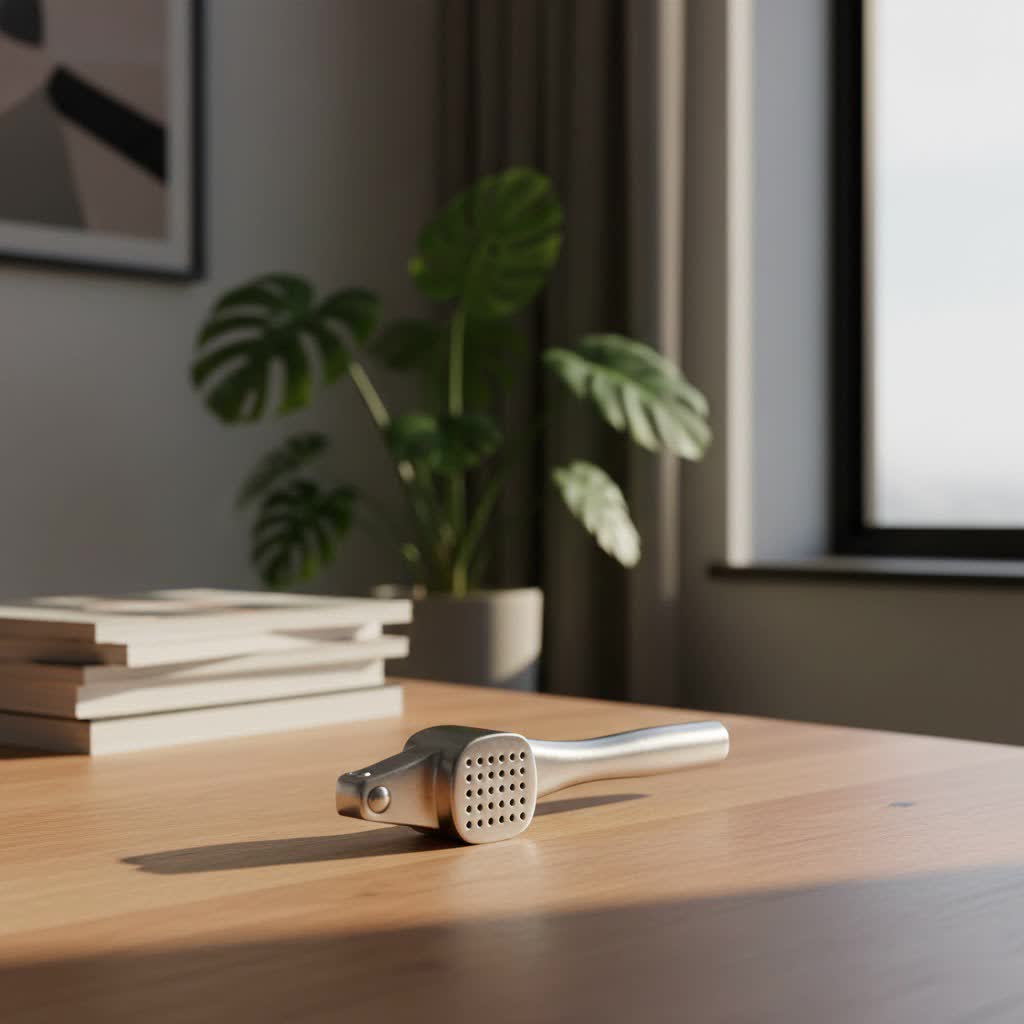
The humble garlic press – a kitchen tool that often sparks passionate debate. Are you tired of sticky fingers, uneven mincing, and the lingering scent of garlic on your hands after every meal prep? Many home cooks find themselves wrestling with knives, only to achieve inconsistent results that compromise the flavor of their dishes. A quality manual garlic press can be a game-changer, transforming this kitchen chore into a quick, clean, and satisfying experience. By providing a consistent, fine mince with minimal effort, a good press ensures every dish bursts with robust garlic flavor. In this comprehensive guide, we’ll delve into the world of manual garlic presses, exploring their benefits, various types, key buying factors, and essential care tips to help you find the perfect tool for your culinary adventures.
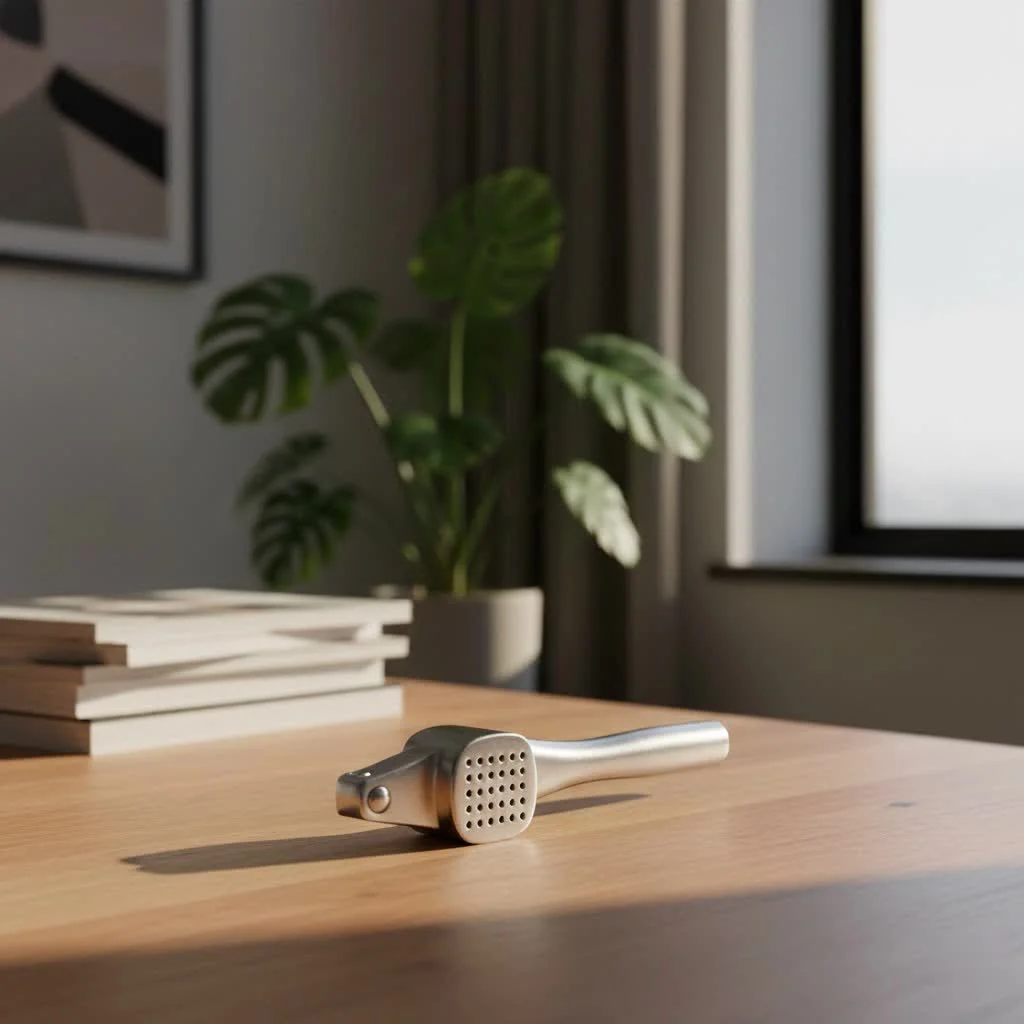
What is a Manual Garlic Press? Why Do You Need One?
A manual garlic press is a handheld kitchen gadget specifically engineered to crush garlic cloves, extruding them through a series of small holes into a fine mince or paste. Unlike electric choppers or food processors, a manual press offers precise control and quiet operation without needing electricity. It’s a simple, yet highly effective tool that has earned its place in countless kitchens worldwide.
The benefits of incorporating a manual garlic press into your cooking routine are numerous. Firstly, it offers remarkable efficiency and time-saving. Imagine mincing several cloves in seconds, rather than spending minutes meticulously chopping. This speed is invaluable on busy weeknights. Secondly, a press delivers a consistent mince, ensuring uniform pieces that cook evenly and distribute flavor throughout your dish without large chunks overpowering other ingredients. Perhaps most importantly, the crushing action of a press ruptures more of the garlic’s cell walls, releasing a higher concentration of allicin, the compound responsible for garlic’s signature pungent flavor. This often results in an enhanced flavor profile compared to a clean knife cut. Lastly, for those who dislike the strong, lingering smell on their hands or the sticky residue from chopping, a manual garlic press provides a cleaner experience, keeping your hands virtually free from odor. Many presses are also versatile, capable of handling unpeeled garlic, ginger, small shallots, or even crushing spices, making them a multi-functional addition to your kitchen arsenal.
Exploring Manual Garlic Press Types: Pros and Cons
Manual garlic presses come in several designs, each offering distinct advantages and drawbacks. Understanding these differences can help you select a press that best suits your cooking style and physical comfort.
By Mechanism:
|
Our Picks for the Best Garlic Press in 2026
As an Amazon Associate I earn from qualifying purchases.
|
||
| Num | Product | Action |
|---|---|---|
| 1 | 5L 110V Black Garlic Full Automatic Intelligent Fermenter, Applicable to Yogurt, Natto, Sweet Rice,Kimchi machine Adjustable Temperature & Time Control |

|
| 2 | Kitessensu High Effective Garlic Press With Studs, Heavy Duty Garlic Mincer, Easy to Squeeze and Clean, Rust Proof & Dishwasher Safe, Ginger Crusher- Imperial Silver |
|
| 3 | Zulay Kitchen Premium Garlic Press Set - Rust Proof Professional Garlic Mincer Tool - Easy-Squeeze, Easy-Clean with Soft, Ergonomic Handle - Silicone Garlic Peeler & Brush (Silver) |
|
| 4 | Zulay Kitchen Large Premium Garlic Press Set - Bigger Bowl for Bigger Garlic - Rust Proof Garlic Mincer Tool - Easy-Squeeze, Easy-Clean Silicone Garlic Peeler & Brush (Silver) |
|
| 5 | GORILLA GRIP Garlic Press and Peel Set, Heavy Duty Mincer Tool, Large Ergonomic Handle, Easily Mince, Crush Garlics Ginger Nuts, Peeler Included for Peeling Cloves, Holiday Prep Kitchen Gadgets, Black |
|
| 6 | OXO Good Grips Heavy Duty Garlic Press, Die-Cast Zinc, Black |
|
| 7 | 100+250+400ML Electric Garlic Chopper, 6 Blades Garlic Mincer, Mini USB Portable Vegetable Chopper, Onion Grinder, Small Food Processor for Ginger, Chili, Fruit, Meat |
|
| 8 | No Peeling Required Garlic Press Stainless Steel with Detachable Handle for Fine Mincing-Premium Garlic Mincer Tool, Rust-Proof, Easy to Clean, Dishwasher Safe Garlic Crusher with Lifetime Replacement |
|
| 9 | ORBLUE Garlic Press Stainless Steel - Premium Professional Grade Garlic Mincer, Crusher & Peeler Set - Easy Clean, Dishwasher Safe & Rust-proof |
|
| 10 | OXO Good Grips Stainless Steel Garlic Press |
|
- Pincer/Lever-Action Press: This is the most classic and widely recognized design, resembling a pair of tongs. You place garlic cloves into a chamber, and by squeezing the handles together, a plunger pushes the garlic through a perforated screen.
- Pros: Highly effective at producing a fine, uniform mince or paste. Many models, especially those with double-lever assistance, require minimal hand strength, making them accessible. Often capable of pressing unpeeled cloves, saving prep time.
- Cons: Can be bulky for storage. The small holes can sometimes be challenging to clean thoroughly, requiring a dedicated tool.
- Rocker Press: This innovative design features a curved, perforated plate with handles. You place garlic cloves on a cutting board and press down while rocking the tool back and forth, effectively mincing the garlic.
- Pros: Very ergonomic and comfortable to use, requiring less direct squeezing force, which is beneficial for individuals with limited hand strength or arthritis. Its open design generally makes it very easy to clean. They are also typically compact for storage.
- Cons: May produce a coarser mince than lever-action presses. Often works best with peeled garlic. Capacity is usually limited to one or two cloves at a time.
- Twister Press: A less common type, this press consists of two interlocking halves that you twist in opposite directions to mince the garlic.
- Pros: Extremely compact and can be easily stored. Unique twisting action.
- Cons: Can be difficult to operate if not well-made, potentially causing strain on the knuckles. Mince quality and capacity are often inferior to lever-action presses.
By Material:
The material of your manual garlic press significantly impacts its durability, performance, and how it interacts with garlic’s unique compounds.
- Stainless Steel: Widely regarded as the gold standard for garlic presses.
- Pros: Exceptionally durable, highly resistant to rust and corrosion, and maintains the garlic’s natural flavor without imparting metallic notes. Stainless steel is also often dishwasher-safe and can even help neutralize garlic odors on your hands as you clean it. Expect excellent longevity, often 10+ years.
- Cons: Generally heavier and can be more expensive than presses made from other materials.
- Zinc Alloy: A common material, often plated with nickel for a shiny finish.
- Pros: Offers a good balance of strength and cost-effectiveness. Many popular models use zinc alloy.
- Cons: Can be prone to corrosion or wear if the plating scratches or wears off, potentially affecting durability over time. Weight can vary.
- Plastic: Usually found in more budget-friendly or specialty presses.
- Pros: Lightweight, inexpensive, and often available in a variety of colors. Very easy to clean.
- Cons: Significantly less durable than metal options, prone to cracking or breaking under pressure, and can absorb garlic odors over time. Not ideal for heavy-duty use, with a typical lifespan of 1-2 years.
- Silicone: Primarily used for accessories like garlic peelers or as grip elements on handles, rather than the main pressing mechanism itself.
- Pros: Flexible, non-stick, and very easy to clean.
- Cons: Lacks the rigidity required for the primary crushing action of a press.
Detailed Comparison Table of Manual Garlic Press Types
| Feature | Pincer/Lever-Action | Rocker Press | Twister Press |
|---|---|---|---|
| Mechanism | Squeeze handles, plunger pushes garlic | Rock back and forth over cloves | Twist halves to mince |
| Hand Strength | Moderate to High (some assisted are low) | Low to Moderate | Moderate |
| Mince Quality | Fine to very fine paste | Medium chop to coarse mince | Fine to medium mince |
| Capacity | Good (1-3 cloves) | Low (1-2 cloves) | Low (1-2 cloves) |
| Ease of Cleaning | Varies (can be challenging in holes), some self-cleaning features | Generally easy (open design) | Can be tricky with trapped bits |
| Versatility | Good (unpeeled garlic, ginger) | Moderate (ginger, herbs) | Limited |
| Common Materials | Stainless steel, zinc alloy | Stainless steel, plastic | Plastic, stainless steel |
| Typical Cost | Mid to High | Low to Mid | Low to Mid |
Important Factors to Consider When Buying a Manual Garlic Press
Choosing the right manual garlic press can significantly impact your cooking efficiency and enjoyment. Here are the crucial factors to weigh before making your purchase:
- Material Quality: Prioritize a press made from food-grade stainless steel for unparalleled durability, rust resistance, and hygiene. Stainless steel is known for preserving garlic’s natural flavor and resisting corrosion. “Stainless steel is often heralded as king in this realm due to its durability and ease of cleaning.” While zinc alloy is a common alternative, ensure it has quality plating to prevent corrosion. Avoid cheap plastics for the main pressing mechanism, as they tend to be flimsy and short-lived.
- Mechanism and Ease of Use: The primary purpose of a garlic press is to simplify mincing, so ease of use is paramount.
- Leverage: Look for ergonomic handles that provide excellent leverage to minimize the effort required. Double-lever designs are particularly effective for reducing hand strain.
- Comfort: Padded or textured grips can enhance comfort and prevent slipping, especially during extensive use.
- Capacity: A press with a hopper that can comfortably hold 2-3 cloves simultaneously will boost your efficiency.
- Unpeeled Garlic: If you want to save time, many high-quality presses are designed to process unpeeled cloves, separating the skin as they press.
- Size and Design: Consider how much space you have for storage. Rocker presses are typically more compact, while some lever-action presses can be bulky. A streamlined design with fewer crevices not only looks good but also contributes to easier cleaning.
- Ease of Cleaning: This is often the biggest pain point for garlic press owners.
- Look for models with removable baskets or chambers that allow for easy access to trapped garlic bits.
- Integrated cleaning tools (like a set of pins or a small brush) are incredibly helpful for clearing out the holes.
- Confirm if the press is dishwasher-safe. Even if it is, “cleaning every last bit of pressed garlic out of a screen, plunger, hinge, and various creases and gaps feels nearly impossible, and even a good dishwasher will struggle to perform an immaculate job.” Immediate rinsing is always recommended.
- Price and Value: Set a realistic budget, but remember that a higher upfront investment in a quality stainless steel press often translates to superior durability, performance, and ease of maintenance in the long run. Compare the features offered against the price to ensure you’re getting good value.
Tips for Using and Maintaining Your Manual Garlic Press Correctly
To get the most out of your manual garlic press and ensure its longevity, proper usage and maintenance are essential.
- Preparation:
- Peeled vs. Unpeeled: Check your specific press’s capabilities. Many robust presses can handle unpeeled cloves, which saves significant time. If your press struggles, peeling the garlic first will yield better results and less residue.
- Pre-spray (Optional): For stubborn presses, a light spray of cooking oil inside the chamber before inserting garlic can create a non-stick surface, making post-use cleaning considerably easier.
- Effective Pressing:
- Place 1-3 cloves into the chamber, being mindful not to overfill, as this can strain the press or lead to incomplete mincing.
- Apply steady, firm pressure. For lever-action presses, using both hands can provide better leverage and reduce strain.
- Scrape off the pressed garlic directly into your prep bowl or pan using a small spatula, knife, or the included cleaning tool.
- Immediate Cleaning is Key: This is arguably the most important maintenance tip.
- Rinse Immediately: As soon as you’re done, rinse the press under hot running water. Dried garlic bits can harden like glue and become incredibly difficult to remove.
- Utilize Cleaning Tools: Use a small brush (a dedicated cleaning tool, an old toothbrush, or even a toothpick) to clear any garlic bits from the holes and crevices.
- Dishwasher Safe: If your press is dishwasher-safe, place it on the top rack. However, hand-washing immediately after use often yields a cleaner result, especially for models with many small holes.
- Storage: After cleaning and thoroughly drying your press, store it in a dry place to prevent rust or corrosion, particularly for metal models.
Top 5 Manual Garlic Presses for Every Kitchen
Choosing the right manual garlic press can feel overwhelming with so many options available. Based on common features and user feedback, here are some general types of highly-regarded manual garlic presses that excel in different areas:
- The Robust Stainless Steel Workhorse: These presses are typically heavy-duty, lever-action models crafted entirely from food-grade stainless steel. They are celebrated for their exceptional durability, powerful crushing capability (often handling unpeeled cloves with ease), and consistent, very fine mince. Many feature comfortable, ergonomic handles designed for years of reliable use. While they might be heavier, their longevity and efficiency make them a top choice for serious home cooks.
- The Easy-Clean Champion: Designed with convenience in mind, these presses prioritize hassle-free cleanup. Features often include a swing-out basket, detachable parts, or an ingenious integrated cleaning mechanism, such as pins that push through the holes to eject garlic residue. Typically made from quality stainless steel or durable zinc alloy, these models significantly reduce post-cooking scrubbing, and are almost always dishwasher-safe.
- The Ergonomic Rocker: Ideal for those seeking comfort and ease of use, the rocker press boasts a sleek, curved stainless steel design. You simply press down and rock it over garlic cloves on a cutting board. This method requires minimal direct squeezing force, making it an excellent option for individuals with less hand strength or arthritis. Its open design ensures quick and thorough cleaning, though it typically performs best with peeled garlic and might yield a slightly coarser mince.
- The Multi-Purpose Innovator: Beyond just mincing garlic, these presses offer expanded functionality. They might feature additional chambers for slicing, integrated silicone garlic peelers, or are particularly effective at mincing ginger, shallots, and other small aromatics. Often a lever-action design, these versatile tools provide great value, consolidating multiple kitchen tasks into one efficient gadget.
- The Budget-Friendly Performer: For those seeking reliability without a premium price tag, this category offers sturdy, no-frills lever-action presses, usually crafted from durable stainless steel or strong zinc alloy. They deliver effective garlic mincing performance, are generally well-built for their price point, and serve as an excellent entry-level option that can still stand up to regular use. While they might lack advanced cleaning features, their core function is reliably executed.
Where to Buy Reliable and Quality Manual Garlic Presses?
Finding a trustworthy source for your manual garlic press is just as important as choosing the right model. Here’s where to look:
- Online Retailers: Platforms like Amazon, Williams Sonoma, and specialty kitchenware websites offer an extensive selection, often at competitive prices. They provide the convenience of customer reviews and detailed product descriptions. Always read reviews carefully to avoid counterfeit or low-quality products.
- Department Stores & Home Goods Stores: Major retailers such as Crate & Barrel, Sur La Table, or even larger stores like Target and Walmart often stock popular and reputable brands. Shopping in person allows you to feel the weight and ergonomics of the press.
- Specialty Kitchen Stores: Local independent kitchen shops can be a treasure trove, offering curated selections and expert advice from knowledgeable staff.
- Manufacturer Websites: Purchasing directly from well-known brands like OXO, Zyliss, and Joseph Joseph ensures you receive an authentic product and often comes with direct customer support and warranty benefits.
When making a purchase, always look for clear warranty information, transparent return policies, and any relevant product certifications to ensure you’re investing in a quality tool that will last.
Manual Garlic Press Buying Guide:
Making an informed decision about your manual garlic press involves a systematic approach:
- Determine Your Needs: Start by assessing how frequently you cook with garlic and the typical quantities you prepare. Do you need to press unpeeled cloves, or is peeling not an issue?
- Set Your Budget: Quality presses can range from $15 to $60+. A good quality stainless steel model is often a worthwhile long-term investment, offering superior durability and performance.
- Research Types and Materials: Familiarize yourself with the pros and cons of lever-action, rocker, and twister designs. Understand why stainless steel is generally preferred over aluminum or plastic for its longevity and flavor preservation.
- Read User Reviews: Pay close attention to feedback regarding ease of use, durability, and, crucially, ease of cleaning. Real-world experiences from other cooks are invaluable.
- Compare Features: Look for attributes that enhance your experience, such as ergonomic handles, sufficient capacity (2-3 cloves), integrated cleaning tools, and dishwasher compatibility.
- Buy from Reputable Sellers: Purchase from well-known retailers or directly from manufacturers. This ensures product authenticity, quality customer support, and peace of mind.
Conclusion
A manual garlic press is far more than a mere convenience; it is a fundamental tool that elevates your cooking, providing quick, consistent, and intensely flavorful garlic mince for any dish. By making the process cleaner, faster, and more effective, the right press empowers you to unlock the full potential of this ubiquitous aromatic. Choosing the perfect manual garlic press means thoughtfully considering the material for durability, the mechanism for ease of use, and practical features like how easily it can be cleaned. Investing in a high-quality model is an investment in countless delicious meals and a more enjoyable cooking journey.
Which manual garlic press will you choose to transform your culinary experience and truly master flavor in your kitchen?
Frequently Asked Questions
Why choose a manual garlic press over a knife?
A manual garlic press offers speed, a consistently fine mince, and a more pungent flavor by crushing garlic cells to release more allicin. It also keeps your hands free from garlic odor and sticky residue, making it a convenient choice for home cooks who prioritize efficiency and intense flavor.
Can I press unpeeled garlic with a manual press?
Many high-quality manual garlic presses, particularly robust lever-action models made of stainless steel, are designed to handle unpeeled garlic cloves. The press separates the skin from the minced garlic. However, always check the manufacturer’s specifications for your specific model to ensure optimal performance.
How do I prevent my manual garlic press from getting clogged?
The most effective way to prevent clogging is to rinse your manual garlic press immediately after each use. Dried garlic bits can harden and become very difficult to remove. Using a small brush, a toothpick, or an integrated cleaning tool to clear the holes while rinsing will ensure thorough cleaning.
What’s the best material for a durable manual garlic press?
Food-grade stainless steel is widely considered the best material for a durable manual garlic press. It is rust-resistant, hygienic, does not react with garlic’s compounds, and offers excellent longevity. While often a higher initial investment, it provides superior performance and easier maintenance over time.
Cooking gear we tested in our own kitchens
Free PDF — preheat times measured on 10 popular air fryers.
