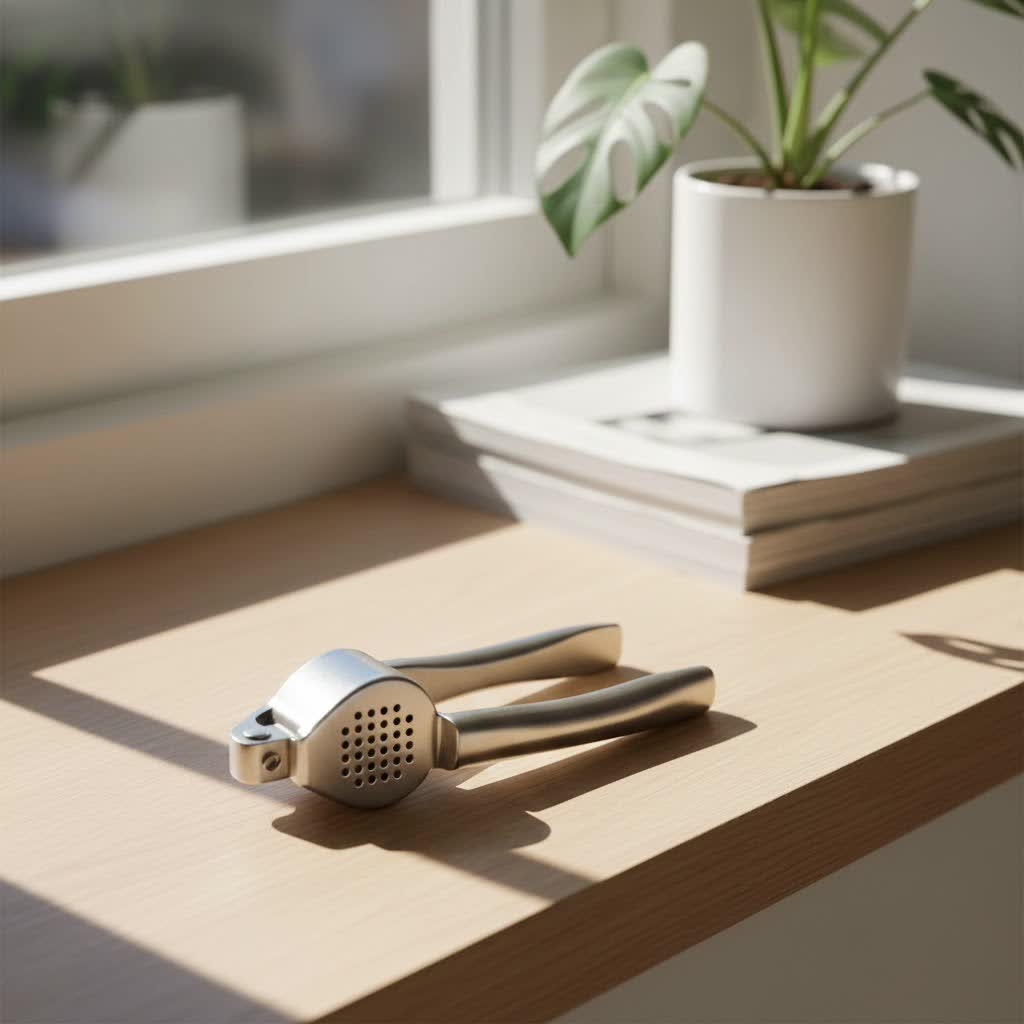
Transforming a humble garlic clove into a pungent, flavorful paste is a cornerstone of countless culinary creations. While a chef’s knife can certainly do the job, a high-quality metal garlic press offers unparalleled speed, consistency, and ease, making it an indispensable tool for home cooks and seasoned chefs alike. If you’ve ever struggled with sticky fingers, uneven mincing, or the sheer time commitment of hand-chopping garlic, then discovering the perfect metal garlic press could improve your kitchen experienceLet’s examine the world of these robust kitchen gadgets and uncover what makes a truly exceptional press stand out.
What is a Metal Garlic Press and Why Do You Need One?
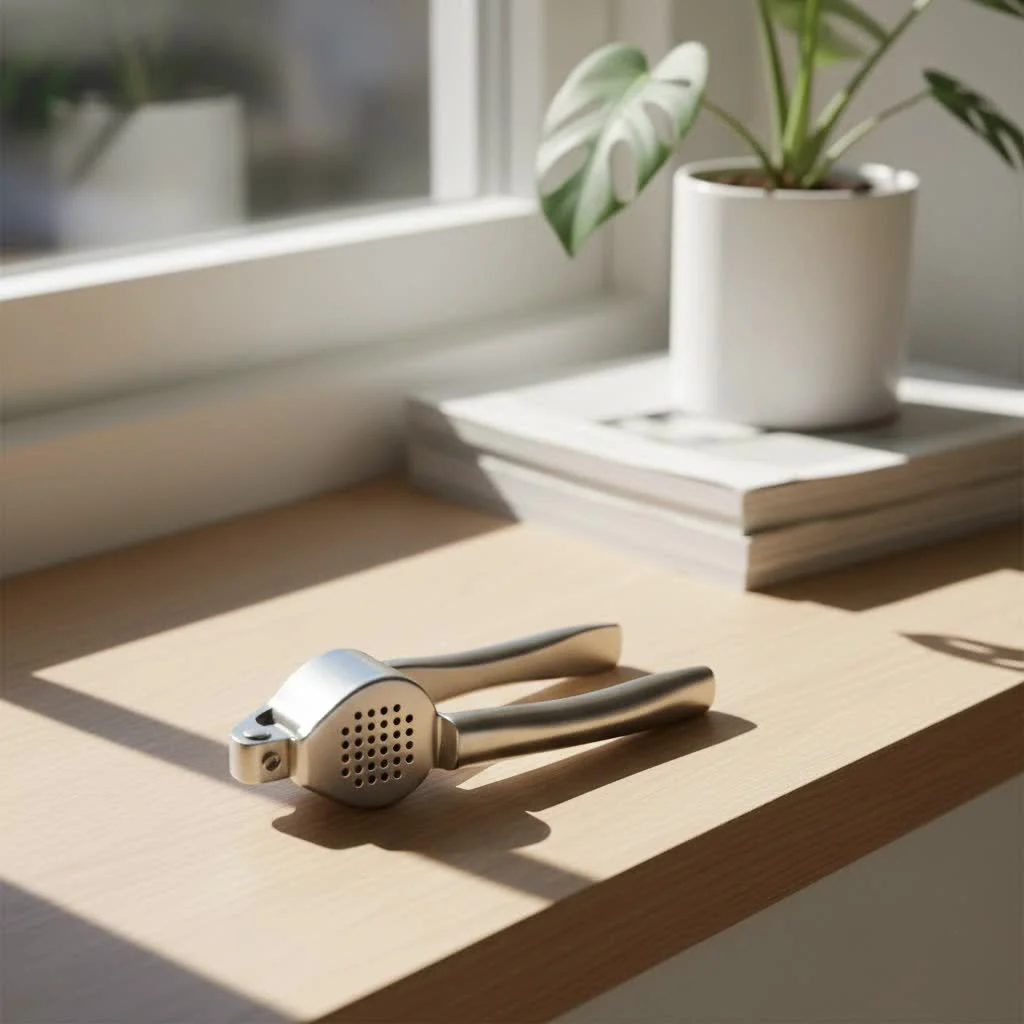
A metal garlic press is a kitchen utensil specifically designed to crush garlic cloves quickly and efficiently, typically consisting of two hinged handles with a chamber for the garlic clove and a perforated plate. When the handles are squeezed together, the garlic is forced through the small holes, resulting in a fine, uniform mince or paste. This process releases more of the garlic’s natural oils and compounds, creating a stronger, more intense flavor profile compared to knife-mincing.
The primary benefit of integrating a metal garlic press into your culinary routine lies in its efficiency and consistency. It saves significant time, especially when preparing dishes that call for multiple cloves, and delivers a uniform texture that ensures even flavor distribution throughout your meal. Unlike plastic alternatives, metal presses, particularly those made from stainless steel, offer superior durability and hygiene, resisting corrosion and odors for a long-lasting kitchen companion. While some may argue for the meditative process of knife-mincing, the press provides a practical, mess-free solution for everyday cooking, enhancing both speed and the intensity of garlic flavor.
The Advantages of Choosing a Metal Garlic Press
Opting for a metal garlic press, especially one crafted from stainless steel, brings a host of benefits that elevate it above other materials and mincing methods. These advantages span durability, flavor, hygiene, and overall kitchen efficiency.
Durability and Longevity
Metal garlic presses are renowned for their robustness. Stainless steel, the most common material, is exceptionally durable, capable of withstanding significant pressure and frequent use without bending or breaking. This material is also largely rust-resistant, ensuring your press remains functional and aesthetically pleasing for years. Unlike lighter plastic models that can degrade or lose effectiveness over time, a well-constructed metal press is a long-term investment that maintains its integrity and performance. The quality of the metal often correlates with its lifespan, with high-grade stainless steel (like 18/8 or 18/10) offering superior resistance to corrosion and wear.
Enhanced Flavor and Consistency
|
Our Picks for the Best Garlic Press in 2026
As an Amazon Associate I earn from qualifying purchases.
|
||
| Num | Product | Action |
|---|---|---|
| 1 | OXO Good Grips Heavy Duty Garlic Press, Die-Cast Zinc, Black |

|
| 2 | 100+250+400ML Electric Garlic Chopper, 6 Blades Garlic Mincer, Mini USB Portable Vegetable Chopper, Onion Grinder, Small Food Processor for Ginger, Chili, Fruit, Meat |
|
| 3 | Kitessensu High Effective Garlic Press With Studs, Heavy Duty Garlic Mincer, Easy to Squeeze and Clean, Rust Proof & Dishwasher Safe, Ginger Crusher- Imperial Silver |
|
| 4 | 5L 110V Black Garlic Full Automatic Intelligent Fermenter, Applicable to Yogurt, Natto, Sweet Rice,Kimchi machine Adjustable Temperature & Time Control |
|
| 5 | GORILLA GRIP Garlic Press and Peel Set, Heavy Duty Mincer Tool, Large Ergonomic Handle, Easily Mince, Crush Garlics Ginger Nuts, Peeler Included for Peeling Cloves, Holiday Prep Kitchen Gadgets, Black |
|
| 6 | No Peeling Required Garlic Press Stainless Steel with Detachable Handle for Fine Mincing-Premium Garlic Mincer Tool, Rust-Proof, Easy to Clean, Dishwasher Safe Garlic Crusher with Lifetime Replacement |
|
| 7 | ORBLUE Garlic Press Stainless Steel - Premium Professional Grade Garlic Mincer, Crusher & Peeler Set - Easy Clean, Dishwasher Safe & Rust-proof |
|
| 8 | Zulay Kitchen Large Premium Garlic Press Set - Bigger Bowl for Bigger Garlic - Rust Proof Garlic Mincer Tool - Easy-Squeeze, Easy-Clean Silicone Garlic Peeler & Brush (Silver) |
|
| 9 | OXO Good Grips Stainless Steel Garlic Press |
|
| 10 | Zulay Kitchen Premium Garlic Press Set - Rust Proof Professional Garlic Mincer Tool - Easy-Squeeze, Easy-Clean with Soft, Ergonomic Handle - Silicone Garlic Peeler & Brush (Silver) |
|
The mechanism of a garlic press – forcing cloves through small holes – is highly effective at rupturing the garlic’s cell walls. This action maximizes the release of allicin, the compound responsible for garlic’s pungent aroma and flavor. The result is a more potent and evenly distributed garlic essence in your dishes. A press produces a consistently fine mince or paste, which is difficult to achieve reliably by hand. This uniformity ensures that every bite of your food receives the same burst of garlic flavor, without encountering large, inconsistent chunks.
Hygiene and Odor Reduction
Stainless steel is naturally non-porous and resists the absorption of odors, making it a hygienic choice for food preparation. This material does not react with the natural acids in garlic, unlike some aluminum or cheaper metal alternatives that can potentially leach into food. An additional, often celebrated, benefit of stainless steel is its ability to reduce garlic odor on your hands. Simply rubbing your fingers against the stainless steel parts under running water can help neutralize the lingering garlic smell, a welcome feature for any avid cook.
Versatility Beyond Garlic
While specifically designed for garlic, many robust metal presses offer surprising versatility. Their strong construction and efficient pressing action allow them to tackle other ingredients. You can often use a metal garlic press to mince ginger, shallots, or even small herbs, expanding its utility beyond its namesake. This multi-functionality adds value to the tool, reducing the need for additional gadgets in your kitchen drawer and making it a true workhorse.
Types of Metal Garlic Presses: Mechanism and Design
When exploring metal garlic presses, you’ll primarily encounter variations in their operational mechanism and specific design features, rather than vastly different “types” of metal presses. The defining characteristic is almost always the use of robust metal for the pressing mechanism and handles.
Traditional Pincer/Lever Style
This is the most ubiquitous and classic design. It features two handles that, when squeezed together, push a plunger through a chamber, forcing the garlic through a perforated screen at the bottom. The entire body and handles are typically made from metal, such as stainless steel, zinc alloy (often chrome-plated), or sometimes aluminum (though stainless steel is preferred for durability and non-reactivity). These presses are valued for their direct pressing power and ability to handle multiple cloves. Some advanced designs feature a double-lever mechanism to minimize the effort required.
Rocker Style
While many rocker-style garlic mincers are made entirely of stainless steel, they operate differently. Instead of squeezing handles, you place the peeled garlic clove on a cutting board, position the curved, perforated rocker over it, and apply downward pressure with a rocking motion. The garlic is pushed through the holes, and then you scoop it directly from the rocker. This style can be beneficial for individuals with limited grip strength, as it uses arm and body weight rather than hand squeezing. However, it often requires peeled garlic and a cutting board, which some users find less convenient.
Material Considerations within Metal Presses
Even within the “metal” category, material quality varies significantly.
- Stainless Steel (18/8 or 18/10 grade): Considered the gold standard, offering superior corrosion resistance, strength, and hygiene. It’s non-reactive with garlic acids and generally dishwasher-safe.
- Zinc Alloy (often chrome-plated): A common, more affordable metal. While sturdy, the chrome plating can chip or wear over time, potentially exposing the zinc beneath, which might be less durable or reactive.
- Aluminum: Lightweight and inexpensive, but softer than stainless steel and can react with acidic foods like garlic, potentially affecting flavor and appearance over time. It’s less rust-resistant and may not be dishwasher-safe.
For maximum longevity, hygiene, and performance, prioritizing a press made from high-grade stainless steel is generally recommended.
Key Factors to Consider When Buying Your Metal Garlic Press
Choosing the ideal metal garlic press involves more than just picking the first shiny tool you see. Thoughtful consideration of several key factors will ensure you select a press that perfectly matches your cooking style and needs, providing years of reliable service.
Material Quality
The material is paramount for durability and hygiene.
- Stainless Steel: Look for presses made from 18/8 or 18/10 stainless steel. These grades indicate a higher chromium and nickel content, offering superior rust resistance, non-reactivity, and strength. This ensures the press won’t corrode, stain, or impart metallic tastes to your food.
- Avoid Aluminum: While lightweight and cheap, aluminum can react with the acids in garlic, potentially discoloring the garlic or the press itself, and is generally less durable.
- Heavy-Duty Construction: A good metal press should feel substantial in hand, indicating thick walls and a solid build that won’t deform under pressure.
Ergonomics and Ease of Use
A garlic press should be comfortable to hold and easy to operate, even with multiple cloves or for extended periods.
- Handle Design: Look for ergonomic handles that fit comfortably in your hand. Padded grips (often silicone) or textured surfaces can enhance comfort and prevent slipping.
- Leverage: Presses with longer handles or double-lever mechanisms require less force, making them ideal for those with limited hand strength or arthritis.
- Chamber Capacity: Consider how many cloves you typically mince. A larger chamber can accommodate two or more medium-sized cloves, speeding up prep time for larger recipes.
Cleaning and Maintenance
Ease of cleaning is a critical, yet often overlooked, factor that significantly impacts user satisfaction.
- Dishwasher Safe: Many metal presses are dishwasher safe, offering convenient cleanup. Always check manufacturer instructions.
- Integrated Cleaning Tools: Some presses come with a small cleaning brush or a built-in pin mechanism that helps dislodge garlic bits from the perforations.
- Removable Parts: Presses with hinged screens or removable chambers make it much easier to thoroughly clean out trapped garlic pulp and skins.
- Self-Cleaning Features: Innovative designs, like those with built-in scrapers or ejector buttons for peels, can dramatically simplify cleanup.
- Wide Holes: Presses with slightly larger holes in the screen tend to clog less and are easier to rinse clean.
- Clean Immediately: Regardless of features, cleaning your press right after use will always be easier than allowing garlic residue to dry and harden.
Performance and Efficiency
A good press should extract the maximum amount of garlic with minimal effort and waste.
- Uniform Mince: The press should consistently produce a fine, even mince or paste without leaving large chunks.
- Minimal Waste: An efficient press will leave very little garlic residue flattened against the screen or stuck in the chamber.
- Peeled vs. Unpeeled: While many metal presses can handle unpeeled cloves, some sources suggest that using peeled garlic yields better results and makes cleanup easier as the skins don’t get stuck. If you prefer pressing unpeeled, ensure the press has a design that facilitates easy removal of the skins.
- Versatility: Some metal presses are robust enough to also process ginger, a useful bonus feature.
Size and Storage
Consider the overall size and how it will fit into your kitchen. Most presses are seven to nine inches long, but handle size and chamber depth can vary. Ensure it doesn’t take up excessive drawer space and is comfortable for your hand size.
Price and Value
Metal garlic presses range from budget-friendly to high-end. More expensive models often feature superior materials (e.g., 18/10 stainless steel), advanced ergonomic designs, and innovative cleaning features. While a higher price can indicate better quality and longevity, excellent value can be found across different price points by focusing on the factors above.
Table: Comparing Metal Garlic Press Features
| Feature | Traditional Pincer/Lever Style (Metal) | Rocker Style (Metal) |
|---|---|---|
| Mechanism | Squeeze two handles to force garlic through a screen. | Rock back and forth on a cutting board to press garlic through holes. |
| Effort Required | Moderate to high, depending on leverage and design. | Less hand strength needed; uses downward body pressure. |
| Garlic Form | Fine paste/mince. | Fine mince to slightly chunkier (can re-rock for finer). |
| Unpeeled Garlic | Many can handle, but can make cleaning harder. | Typically requires peeled garlic for best results. |
| Cleanup | Can be challenging if garlic gets stuck; improved with cleaning tools/removable parts. | Easier to rinse; may dirty a cutting board. |
| Versatility | Often handles ginger; some have larger chambers. | Primarily for garlic, but some can mince other soft items. |
| Footprint | Compact, fits in most drawers. | Flat design, fits easily in shallow drawers. |
| Pros | Fast, consistent, efficient, good leverage with ergonomic designs. | Excellent for limited hand strength, easy to rinse. |
| Cons | Can be hard to clean without specific features; requires hand strength. | Requires a cutting board; usually necessitates peeling. |
| Ideal For | Most home cooks who want quick, consistent minced garlic. | Those with hand mobility issues, or who prefer a simpler, less forceful method. |
Top Metal Garlic Presses to Consider
Based on performance, durability, and user reviews, several metal garlic presses consistently rise to the top. When making your selection, consider how their unique features align with your personal cooking habits.
- OXO Good Grips Garlic Press: A perennial favorite, the OXO Good Grips press often features a sturdy, chrome-plated zinc construction with comfortable, non-slip silicone handles. It’s praised for its efficiency in producing uniformly minced garlic and a large capacity hopper that can fit multiple cloves. The hinged basket makes it relatively easy to clean, and it’s generally dishwasher safe. Some versions are made from stainless steel, further enhancing durability.
- Zyliss Susi 3 Garlic Press: A classic design often made from lightweight yet durable aluminum, the Zyliss Susi 3 is known for its effectiveness in pressing both peeled and unpeeled garlic into a fine mince. Its integrated cleaning tool, which clips directly into the handle, is a standout feature, preventing it from getting lost and making cleanup much simpler. This press is a shows timeless design and practical functionality.
- Alpha Grillers Garlic Press and Peeler Set: Crafted from heavy-duty stainless steel, this press is built for strength and longevity. Users appreciate its comfortable handles, robust construction, and ability to crush unpeeled garlic. It often comes as a set with a silicone peeler tube, adding convenience. Its dishwasher-safe nature further simplifies the post-cooking cleanup.
- Männkitchen Double Lever Assisted Stainless Steel Garlic Press: For those seeking minimal effort, the Männkitchen press is engineered with a double-lever design that significantly reduces the pressure needed to mince garlic. Made from high-quality stainless steel, it’s exceptionally sturdy and designed to be comfortable in hand. It delivers a medium-fine mince and is often cited as one of the easiest hand-squeezed presses to operate, making it a great choice for prolonged use or those with wrist fatigue.
- Kuhn Rikon Epicurean Garlic Press: Considered a premium, high-end option, the Kuhn Rikon Epicurean press is typically made from solid cast zinc (or stainless steel) and is renowned for its exceptional leverage and efficiency. It yields a very fine mince and is robust enough to press ginger. While an investment, its durability and superior performance make it a favorite for serious cooks who prioritize quality and ease of use.
Each of these presses represents a strong contender in the metal garlic press market, offering a blend of durability, performance, and user-friendly features. Your choice will depend on your specific priorities, such as ease of squeeze, cleaning convenience, or overall material robustness.
Tips for Using and Maintaining Your Metal Garlic Press
Maximizing the lifespan and performance of your metal garlic press is simple with a few key usage and maintenance tips. These practices ensure consistent results and keep your tool in top condition.
Firstly, consider whether to peel your garlic. While many metal presses are capable of crushing unpeeled cloves, using peeled garlic often yields a cleaner, more complete mince with less residue left behind, simplifying cleanup. However, pressing unpeeled garlic is a convenient time-saver if you prioritize speed. When pressing, apply steady, firm pressure rather than sudden force to ensure an even extrusion of garlic.
Immediate cleaning is crucial. Garlic residue, especially the fibrous skin and pulp, can quickly dry and harden in the perforations, making it challenging to remove later. After each use, rinse your press under hot running water. If your press comes with an integrated cleaning tool or brush, use it to push out any stubborn bits from the holes. For a deeper clean, many metal garlic presses are dishwasher safe, offering a hassle-free sanitization option. For presses with removable components, disassemble them before washing to ensure every crevice is thoroughly cleaned.
To maintain the integrity and shine of stainless steel presses, avoid abrasive scourers that can scratch the surface. If you notice any discoloration or mineral buildup, a mild solution of vinegar and water can help restore its gleam. Proper storage in a dry place will also prevent any potential tarnishing or rust, although high-quality stainless steel is inherently resistant. By following these simple guidelines, your metal garlic press will remain a reliable and efficient kitchen companion for many years.
Where to Buy a Quality Metal Garlic Press
Finding a reliable metal garlic press is easier than ever, with numerous reputable retailers offering a wide selection both online and in brick-and-mortar stores. Knowing where to look and what to prioritize can make your purchasing decision straightforward.
For the widest variety and often competitive pricing, online retailers such as Amazon, Williams Sonoma, Sur La Table, and specialty kitchenware websites are excellent starting points. These platforms typically feature extensive product descriptions, detailed customer reviews, and comparative pricing, allowing you to thoroughly research models like the OXO Good Grips, Zyliss Susi 3, or Männkitchen presses. Always check the seller’s reputation and read recent reviews to gauge product quality and customer satisfaction. Look for clear indications of material (e.g., “18/8 stainless steel”) and warranty information.
If you prefer to see and feel the product before buying, physical stores like dedicated kitchen supply shops, department stores (e.g., Macy’s, Bed Bath & Beyond), and even some larger supermarkets often stock a range of metal garlic presses. This allows you to assess the ergonomics, weight, and build quality firsthand, ensuring the handles feel comfortable in your grip and the mechanism operates smoothly. Stores like IKEA also offer surprisingly sturdy and well-designed budget-friendly metal options.
When making your purchase, regardless of the vendor, prioritize reputable brands known for kitchen tools. Check for warranties, which can be an indicator of a manufacturer’s confidence in their product’s durability. A quality metal garlic press from an established brand will likely offer better long-term performance and customer support.
How to Buy a Metal Garlic Press: A Quick Guide
- Define Your Needs: Consider how often you’ll use it and if you need features like self-cleaning or extra leverage.
- Set a Budget: Metal presses range in price; determine what you’re willing to spend for desired features and material quality.
- Research Materials: Prioritize high-grade stainless steel (18/8 or 18/10) for durability and hygiene.
- Read Reviews: Look for consistent positive feedback on ease of use, cleaning, and performance. Pay attention to comments about ergonomics and material integrity over time.
- Compare Features: Evaluate handle comfort, chamber capacity, ease of cleaning mechanisms, and overall construction.
- Choose a Reputable Vendor: Purchase from trusted online retailers or established physical stores to ensure product authenticity and good customer service.
Conclusion
A high-quality metal garlic press is far more than a “unitasker” – it’s an indispensable kitchen tool that significantly enhances efficiency and flavor in your cooking. From the robust durability of stainless steel to the consistent, pungent mince it delivers, a well-chosen metal press saves time, reduces mess, and elevates the taste of your dishes. By carefully considering factors like material, ergonomic design, and ease of cleaning, you can select a press that will stand the test of time and become a cherished asset in your culinary arsenal. Why continue struggling with uneven mincing and sticky fingers when the perfect metal garlic press is waiting to improve your kitchen experience?
Frequently Asked Questions
What is the best material for a garlic press?
The best material for a garlic press is high-grade stainless steel (e.g., 18/8 or 18/10). It offers superior durability, rust resistance, hygiene, and does not react with garlic acids, ensuring longevity and pure flavor.
Can I put unpeeled garlic in a metal garlic press?
Yes, most robust metal garlic presses are designed to handle unpeeled garlic cloves. The skin remains in the chamber while the minced garlic is pushed through. However, cleaning might be slightly more cumbersome, and some users find peeling first yields a more complete extraction.
How do you clean a metal garlic press effectively?
To clean a metal garlic press effectively, rinse it immediately after use under hot water to prevent residue from drying. Use an integrated cleaning tool or a small brush to clear the perforations. Many models are also dishwasher safe for convenience.
Is pressed garlic stronger than minced garlic?
Yes, pressed garlic often tastes stronger and more pungent than knife-minced garlic. The crushing action of a press ruptures more cell walls, releasing a higher concentration of allicin, the compound responsible for garlic’s intense flavor.
Can a metal garlic press be used for other ingredients?
Many durable metal garlic presses are versatile enough to mince other ingredients. They can effectively press ginger, shallots, or small quantities of herbs, making them a multi-functional tool in the kitchen.
Why do chefs often mince garlic by hand instead of using a press?
While garlic presses offer speed and consistency, some professional chefs prefer knife-mincing for greater control over the texture and a potentially milder flavor profile. The specific way garlic is prepared can alter its pungency, and some chefs appreciate the nuanced differences in dishes where raw or lightly cooked garlic is featured.
Cooking gear we tested in our own kitchens
Free PDF — preheat times measured on 10 popular air fryers.

This guide really helped me understand what to look for in a durable garlic press. I was tired of flimsy ones that bent or broke after a few uses. I ended up getting a heavy-duty zinc alloy press, and it feels incredibly solid. It crushes garlic so smoothly, and I can tell it’s going to last a long time. My cooking has definitely gotten easier.
I used to dread mincing garlic by hand, especially for recipes that called for a lot of it. My old plastic press was a nightmare to clean and barely worked. After reading about the benefits of a good metal press, I finally invested in a stainless steel one, and it’s a game-changer. No more sticky fingers or uneven pieces; it makes quick work of even large cloves.
I’ve been using a metal garlic press for years, and I agree that the consistency it provides is unmatched. I love how it turns a clove into a fine paste without much effort. I recently upgraded to a model with a larger chamber, which is great for bigger garlic cloves or when I’m making a double batch of sauce. Definitely a kitchen essential for me.
I picked up one of the mid-range presses mentioned, and while it’s definitely better than my old one, I’m a little disappointed with the cleaning aspect. The holes get clogged pretty easily, and even with the little brush it came with, it takes a bit of effort to get it completely clean. It does press garlic well, but the cleanup is a minor hassle.