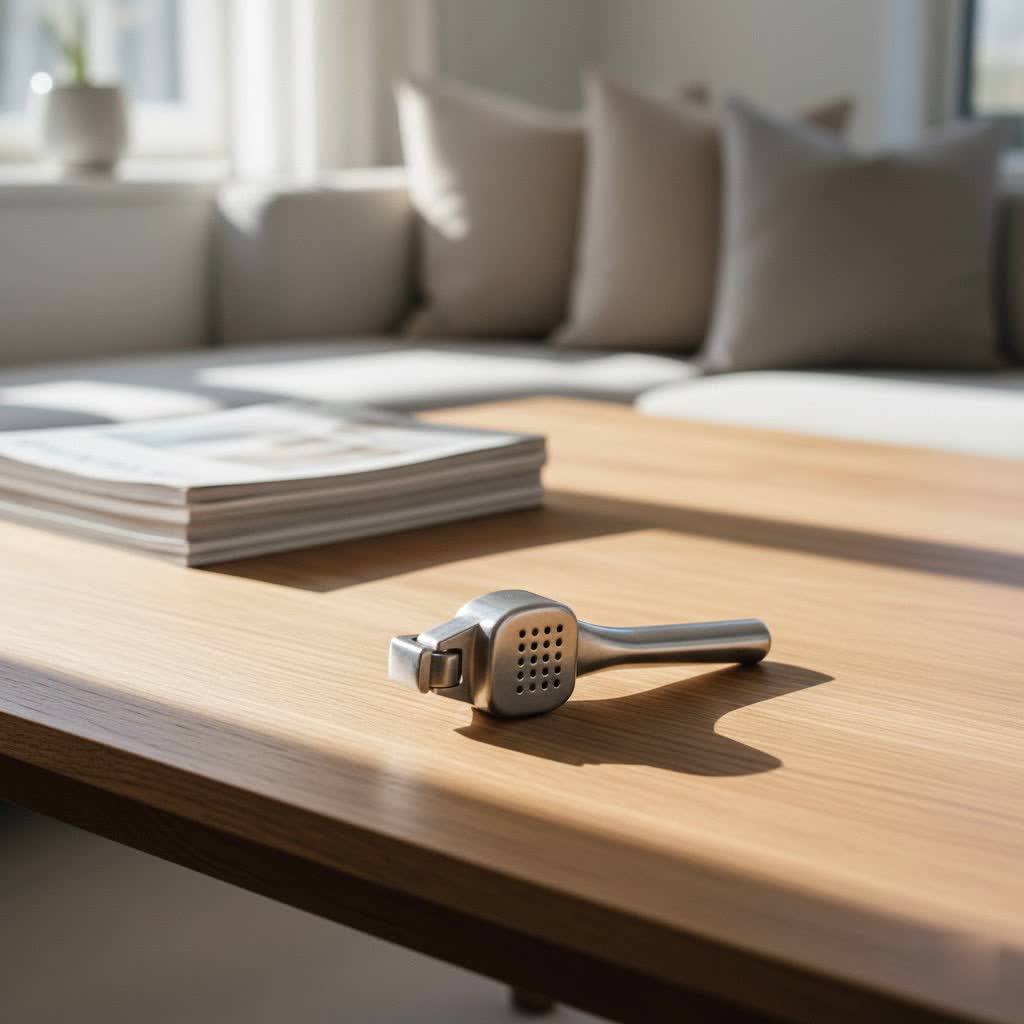
As the seasoned administrator of reviewnohu.com, a dedicated platform for home appliance reviews and insights, my decade-long journey has immersed me deeply in the world of kitchen gadgets, particularly the humble yet mighty garlic press. From budget-friendly finds to premium models, I’ve squeezed, pressed, and tested countless designs, understanding their nuances and the common dilemmas faced by home cooks. My goal is to equip you with honest, objective, and invaluable information, helping you navigate the exciting world of garlic presses to find the ideal companion for your culinary adventures.

What is a Garlic Press, and Why Does Your Kitchen Need One?
A garlic press is a handheld kitchen utensil designed to crush garlic cloves, typically by forcing them through a grid of small holes. It’s an ingenious tool that transforms a tedious chopping task into a swift, effortless motion. While a sharp knife can certainly mince garlic, a quality garlic press offers distinct advantages that can significantly enhance your cooking experience and efficiency. For best garlic presses roundups on this site.
The primary benefit lies in its ability to save time and effort. Instead of laboriously mincing cloves by hand, often leaving your fingers with a lingering garlic scent, a press allows you to achieve finely crushed garlic in seconds. Many modern presses even handle unpeeled cloves, separating the skin during the pressing process, which is a game-changer for speed and cleanliness. Furthermore, pressing garlic releases more of its essential oils, often resulting in a stronger, more intense flavor profile that can elevate your dishes. This concentrated flavor is particularly desirable in sauces, dressings, and marinades where garlic is meant to shine.
Exploring the Common Types of Garlic Presses: Pros and Cons
Garlic presses come in various forms, each offering a unique approach to crushing cloves. Understanding these types will help you determine which design best suits your cooking style and preferences.
Based on Operating Mechanism
- Plier-Style (Hinged): This is the most common and recognizable type. It features two handles hinged together, with a chamber for the garlic clove and a perforated plate. You simply place a clove in the chamber and squeeze the handles together, forcing the garlic through the holes.
- Pros: Generally powerful, easy to use for most individuals, and can often handle unpeeled cloves. Many models have large capacities.
- Cons: Can be challenging to clean due to garlic pulp getting stuck in the grid. Requires some hand strength.
- Rocker: This innovative design is a flat, crescent-shaped tool with a perforated grid on its underside and two handles. You place the rocker over a peeled garlic clove and press down, rocking it back and forth to crush the garlic.
- Pros: Requires less grip strength than plier-style presses, often easier to clean as it’s an open surface, and compact for storage.
- Cons: Typically only works with peeled garlic, might be slower for multiple cloves, and requires a stable surface.
- Twister/Grinder: These devices usually consist of two interlocking parts with internal teeth. You place garlic cloves inside and twist the halves together to grind the garlic.
- Pros: Very compact, simple to operate, and effective for finely minced garlic.
- Cons: Can be difficult to clean if garlic gets lodged in the teeth, usually requires peeled garlic, and not as quick for large quantities.
Based on Material
|
Our Picks for the Best Garlic Press in 2026
As an Amazon Associate I earn from qualifying purchases.
|
||
| Num | Product | Action |
|---|---|---|
| 1 | Zulay Kitchen Premium Garlic Press Set - Rust Proof Professional Garlic Mincer Tool - Easy-Squeeze, Easy-Clean with Soft, Ergonomic Handle - Silicone Garlic Peeler & Brush (Silver) |

|
| 2 | OXO Good Grips Stainless Steel Garlic Press |
|
| 3 | OXO Good Grips Heavy Duty Garlic Press, Die-Cast Zinc, Black |
|
| 4 | ORBLUE Garlic Press Stainless Steel - Premium Professional Grade Garlic Mincer, Crusher & Peeler Set - Easy Clean, Dishwasher Safe & Rust-proof |
|
| 5 | GORILLA GRIP Garlic Press and Peel Set, Heavy Duty Mincer Tool, Large Ergonomic Handle, Easily Mince, Crush Garlics Ginger Nuts, Peeler Included for Peeling Cloves, Holiday Prep Kitchen Gadgets, Black |
|
| 6 | No Peeling Required Garlic Press Stainless Steel with Detachable Handle for Fine Mincing-Premium Garlic Mincer Tool, Rust-Proof, Easy to Clean, Dishwasher Safe Garlic Crusher with Lifetime Replacement |
|
| 7 | Zulay Kitchen Large Premium Garlic Press Set - Bigger Bowl for Bigger Garlic - Rust Proof Garlic Mincer Tool - Easy-Squeeze, Easy-Clean Silicone Garlic Peeler & Brush (Silver) |
|
| 8 | Kitessensu High Effective Garlic Press With Studs, Heavy Duty Garlic Mincer, Easy to Squeeze and Clean, Rust Proof & Dishwasher Safe, Ginger Crusher- Imperial Silver |
|
| 9 | 100+250+400ML Electric Garlic Chopper, 6 Blades Garlic Mincer, Mini USB Portable Vegetable Chopper, Onion Grinder, Small Food Processor for Ginger, Chili, Fruit, Meat |
|
| 10 | 5L 110V Black Garlic Full Automatic Intelligent Fermenter, Applicable to Yogurt, Natto, Sweet Rice,Kimchi machine Adjustable Temperature & Time Control |
|
- Stainless Steel: Often considered the gold standard for garlic presses, stainless steel offers durability, rust resistance, and a premium feel.
- Pros: Highly durable, hygienic, dishwasher safe, and resists odors. Maintains its appearance over time.
- Cons: Can be heavier, and higher-quality models might be more expensive.
- Alloy (e.g., Zinc, Aluminum): Many presses are made from food-grade zinc or aluminum alloys, offering a good balance of strength and affordability.
- Pros: Lighter than stainless steel, good value, and generally sturdy if well-constructed.
- Cons: Quality varies; cheaper alloys may corrode or weaken over time. Some might react with acidic foods if not properly coated.
- Plastic (for handles/components): While the main crushing mechanism is rarely all plastic, many presses incorporate plastic into their handles for comfort and grip.
- Pros: Provides ergonomic comfort, reduces weight, and can add aesthetic appeal.
- Cons: Main crushing parts should not be plastic as it lacks durability for the task.
By Special Features
- Multi-functional Presses: Some presses are designed to also crush ginger, herbs, or even small nuts, adding to their versatility.
- Integrated Cleaning Tools: A thoughtful addition, these often come with a small brush or a built-in pin system to help dislodge garlic residue from the holes, significantly improving the cleaning process.
- Large Capacity Chambers: Ideal for those who cook with a lot of garlic, allowing multiple cloves to be pressed at once.
Detailed Comparison of Popular Garlic Press Types
| Feature / Type | Plier-Style (Hinged) | Rocker | Twister / Grinder |
|---|---|---|---|
| Material (Common) | Stainless Steel, Zinc Alloy | Stainless Steel, Plastic | Plastic, Stainless Steel |
| Mechanism | Squeeze handles to force garlic through plate | Press and rock over garlic | Twist interlocking halves to grind garlic |
| Durability | High (especially stainless steel models) | Moderate to High (stainless steel options) | Moderate (plastic models can vary) |
| Ease of Use | Very easy, good leverage | Easy, minimal grip strength | Easy, but can be awkward for large hands |
| Ease of Cleaning | Can be challenging, garlic often sticks in holes | Generally easier, open surface | Can be challenging if garlic gets in teeth |
| Handles Unpeeled | Yes, many models can | No, typically requires peeled garlic | No, typically requires peeled garlic |
| Price Range | $$ – $$$ | $ – $$ | $ |
| Best For | Frequent cooks, large quantities, unpeeled garlic | Those with limited grip strength, occasional use | Small kitchens, very fine mince, occasional use |
Critical Factors to Consider When Purchasing a Garlic Press
Choosing the right garlic press involves more than just picking the first one you see. Several key factors contribute to its effectiveness, durability, and your overall satisfaction.
Material Quality
Opting for high-quality, food-grade materials is paramount. Stainless steel is often the top recommendation due to its excellent durability, resistance to rust and corrosion, and ease of cleaning. If considering an alloy press, ensure it’s a reputable brand known for strong, well-finished products that won’t degrade or taint your food over time. Avoid flimsy materials that might bend or break with repeated use.
Operating Mechanism and Ergonomics
The mechanism dictates the force required and the ease of use. A plier-style press with comfortable, non-slip handles is often preferred for its leverage and ability to handle both peeled and unpeeled cloves. Look for handles with a good grip and sufficient length to provide mechanical advantage, preventing strain on your hands. For those with weaker grip strength or arthritis, a rocker or twister might be a more suitable, less strenuous option.
Size and Design
Consider the capacity of the garlic press’s chamber. If you regularly cook for a crowd or use a lot of garlic, a press that can accommodate multiple cloves at once will save time. The overall design should also be compact enough for easy storage in your kitchen drawer without being overly bulky. An ergonomic design ensures comfortable handling, reducing fatigue during use.
Ease of Cleaning
This is a frequently cited pain point for garlic press owners. Look for presses with features that simplify cleaning, such as removable screens, wide-opening hinges, or integrated cleaning tools. While some garlic presses claim to be “self-cleaning,” most will still require a quick rinse and brush. Dishwasher-safe models are a bonus, but hand washing immediately after use often yields the best results.
Price and Value
Garlic presses range widely in price. While it’s tempting to go for the cheapest option, investing a bit more in a well-constructed, durable press can save you money in the long run by avoiding frequent replacements. Consider the balance between cost, material quality, and features to find the best value for your budget.
Essential Tips for Using and Maintaining Your Garlic Press
To get the most out of your garlic press and ensure its longevity, proper usage and maintenance are key.
- Using Effectively: For most plier-style presses, you can often place unpeeled garlic cloves directly into the chamber. The skin will typically remain behind, making cleanup easier. For maximum yield, ensure the clove fits snugly but isn’t overly large for the chamber. A firm, steady squeeze will produce the best results.
- Immediate Cleaning is Best: Garlic is sticky, and dried garlic residue is notoriously difficult to remove. Rinse your garlic press immediately after use under hot running water. Use a small brush (many presses come with one, or an old toothbrush works wonders) to dislodge any stuck particles from the grid and hinges.
- Dishwasher Use: Many stainless steel and alloy presses are dishwasher safe. However, for a truly thorough clean, especially to get into all the small holes, hand washing is often more effective. If using a dishwasher, ensure it gets a good rinse cycle.
- Proper Storage: After cleaning, make sure your garlic press is completely dry before storing it to prevent water spots or, in the case of lower-grade alloys, potential corrosion.
Top 5 Garlic Presses Favored by Home Cooks
Based on extensive testing and user feedback, these garlic presses consistently stand out for their performance, durability, and thoughtful design:
- OXO Good Grips Garlic Press: Known for its comfortable, non-slip handles and sturdy zinc construction. It’s highly effective at crushing cloves (even unpeeled) and features a built-in cleaner that pushes out residual garlic, making cleanup less of a chore.
- Dreamfarm Garject Garlic Press: This premium option is often lauded for its robust build and innovative design. It boasts a “peel ejector” that automatically scrapes off the peel, and an integrated cleaning tool, ensuring a near hands-free experience from pressing to cleanup. It’s a true workhorse.
- Zyliss Susi 3 Garlic Press: A classic and reliable choice, the Zyliss Susi 3 offers excellent crushing power with minimal effort. Its ergonomic design and non-stick coating on the chamber aid in easy garlic release and simplify cleaning.
- Joseph Joseph CleanForce Garlic Press: This press features an ingenious two-piece design that separates completely for effortless cleaning. The wide handles provide a comfortable grip, and its robust construction handles even large cloves with ease.
- Kuhn Rikon Epicurean Garlic Press: A high-end, all-stainless steel press, the Kuhn Rikon is beloved for its exceptional durability and elegant design. It requires little effort to press garlic and is incredibly easy to clean, often recommended as a “buy it for life” product.
Where to Purchase a Reputable and Quality Garlic Press?
Finding a reliable garlic press means seeking out reputable retailers, whether online or in brick-and-mortar stores.
- Online Retailers: Platforms like Amazon, Wayfair, and the official websites of kitchenware brands (e.g., OXO, Joseph Joseph) offer a vast selection. These often provide detailed product descriptions, customer reviews, and competitive pricing. Be sure to check seller ratings and return policies.
- Brick-and-Mortar Stores: Specialty kitchen stores, department stores (like Macy’s or Bed Bath & Beyond), and even large supermarkets often carry a selection of garlic presses. This allows you to physically feel the weight, test the grip, and inspect the build quality before purchasing.
- Consider Warranties: A good warranty can indicate a manufacturer’s confidence in their product’s quality.
Your Ultimate Garlic Press Buying Guide
Navigating the choices doesn’t have to be overwhelming. Follow these steps to confidently select your ideal garlic press:
- Define Your Needs: How often do you use garlic? Do you need to press large quantities? Is peeling garlic a chore you want to avoid?
- Set a Realistic Budget: Determine how much you’re willing to spend. Remember, a higher price often correlates with better materials and durability.
- Research Types and Materials: Familiarize yourself with plier-style, rocker, and twister presses, and weigh the benefits of stainless steel versus alloys.
- Read User Reviews: Customer feedback provides invaluable real-world insights into a product’s performance, durability, and ease of cleaning.
- Compare Features and Prices: Look for integrated cleaning tools, comfortable handles, and appropriate capacity across different models and brands.
- Purchase from Trusted Sources: Buy from reputable online retailers or established physical stores to ensure authenticity and good customer service.
Conclusion
A well-chosen garlic press can be a transformative addition to any kitchen, turning the often-messy and time-consuming task of mincing garlic into a quick and enjoyable step. From enhancing flavor profiles to simplifying preparation, the benefits are clear. By considering the various types, materials, and key features outlined in this guide, you are now well-equipped to select a garlic press that perfectly aligns with your culinary needs and makes your cooking experience smoother and more efficient. So, are you ready to elevate your dishes with freshly pressed garlic?
Frequently Asked Questions
Can I put unpeeled garlic in a garlic press?
Yes, many plier-style garlic presses are designed to handle unpeeled garlic cloves. The skin usually stays in the chamber while the crushed garlic passes through the holes, making for quicker preparation and easier cleanup. Always check the product description, but this is a common and convenient feature in modern presses.
How do I clean a garlic press effectively?
The most effective way to clean a garlic press is immediately after use. Rinse it under hot running water, then use a small brush (often included or a stiff-bristled brush) to clear any garlic residue from the holes and hinges. Many stainless steel models are dishwasher safe, but hand washing ensures a thorough clean of all crevices.
Does a garlic press make garlic taste different than mincing with a knife?
Yes, garlic pressed through a press can taste more potent than knife-minced garlic. The crushing action breaks down more cell walls, releasing a higher concentration of allicin, the compound responsible for garlic’s pungent flavor. This results in a stronger, more intense garlic flavor, which can be desirable in many dishes.
Cooking gear we tested in our own kitchens
Free PDF — preheat times measured on 10 popular air fryers.

My old press broke, and I was overwhelmed by all the options out there. The explanation of why a garlic press is essential for a kitchen really resonated with me. I picked up a new one that handles unpeeled cloves, which is a huge time-saver. No more sticky fingers!
I’ve always hated mincing garlic by hand, it’s such a sticky mess. This guide really helped me understand the different types. I ended up getting one of the budget-friendly models you mentioned, and it’s been a game-changer for weeknight dinners. So much faster and cleaner!
I appreciate the breakdown of premium models. I’ve been using a cheap one for years and it always felt flimsy. Upgraded to a more robust design after reading this, and the difference in ease of use and how much garlic it extracts is noticeable. Definitely worth the investment for someone who cooks a lot.
I was hoping for a bit more detail on cleaning some of the more intricate designs. My new press, while effective, is a bit of a pain to get all the little bits out of the holes. It does a good job crushing the garlic, but the cleanup takes longer than I’d like.