Have you ever found yourself in the middle of cooking, wishing there was a faster, cleaner way to get that essential garlic into your dish? The humble kitchen garlic press often sparks debate among culinary enthusiasts, yet for many home cooks, it’s an indispensable tool that streamlines meal preparation. Forget sticky fingers, uneven minces, or the time-consuming process of chopping by hand. A well-chosen garlic press can transform your cooking experience, delivering perfectly minced garlic with minimal effort, ready to infuse your meals with robust flavor. This guide will navigate you through the world of kitchen garlic presses, helping you understand the different types, materials, and crucial factors to consider, ensuring you find the ideal gadget that fits your cooking style and budget.
What is a Kitchen Garlic Press and Why Do You Need One?
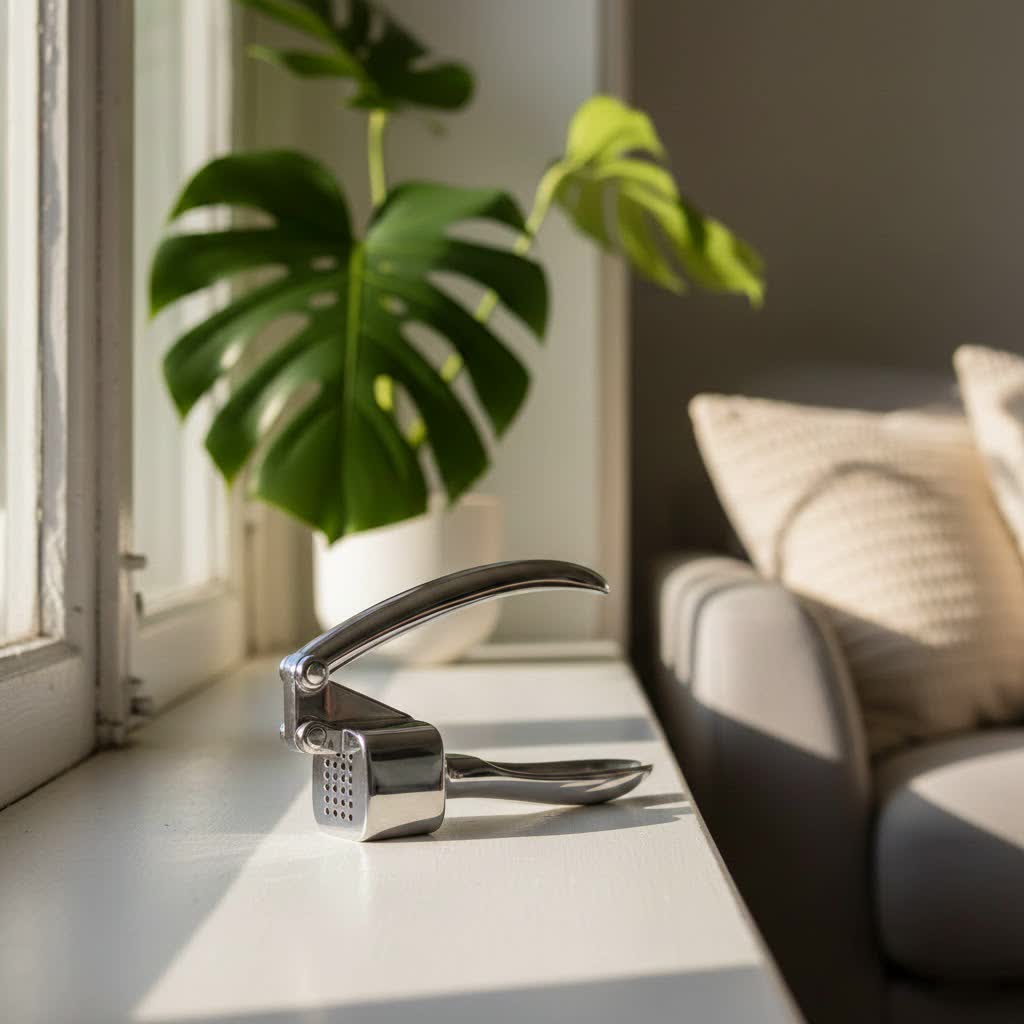
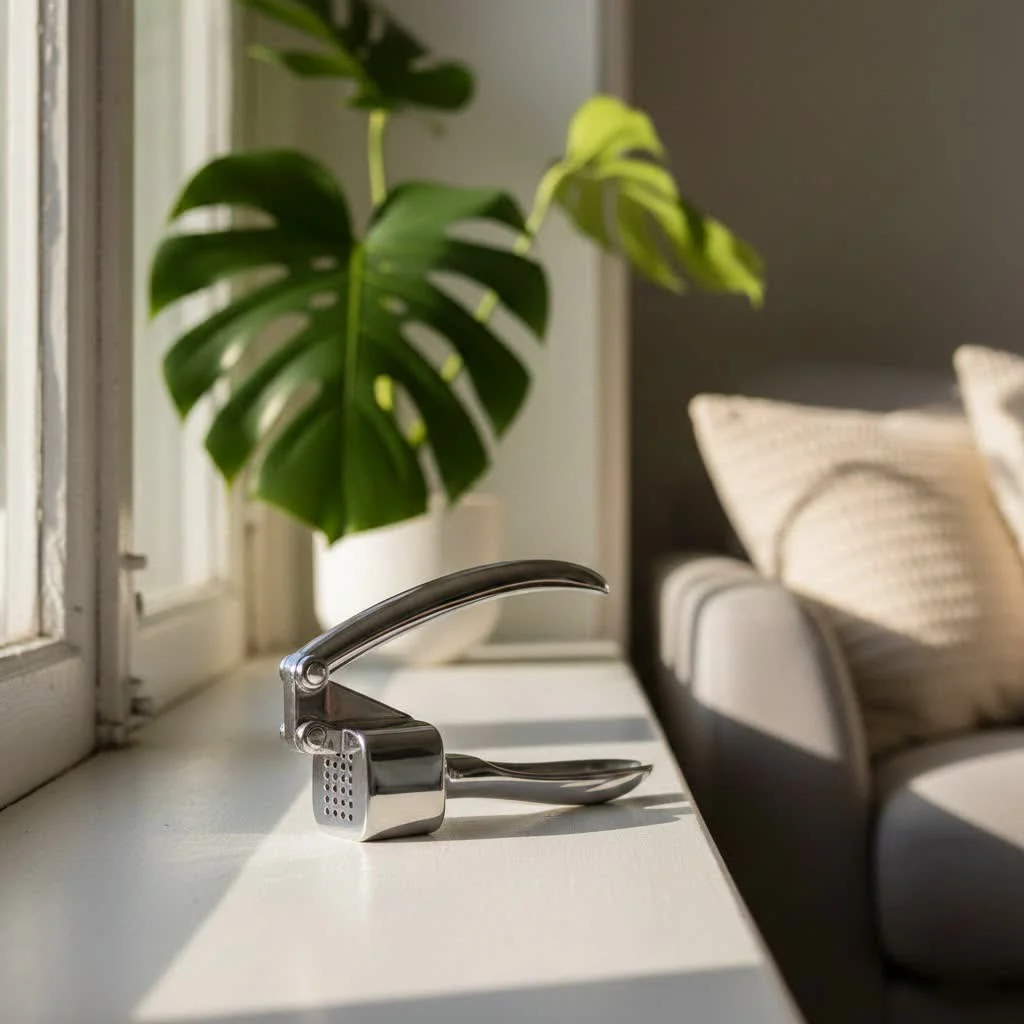
A kitchen garlic press is a handheld device designed to crush garlic cloves, extruding them through small holes to produce a fine mince or paste. Its primary purpose is to simplify and speed up the process of garlic preparation, offering a convenient alternative to traditional knife mincing.
Using a garlic press offers several distinct advantages. It saves significant time, especially when you need multiple cloves for recipes like pasta sauces, marinades, or dressings. It also reduces the mess and lingering odor on your hands that often accompanies chopping garlic with a knife. For those with less developed knife skills or limited hand mobility, a garlic press can be a game-changer, making gourmet cooking accessible to everyone. The pressing action also releases more alliinase, the enzyme responsible for garlic’s pungent flavor, resulting in a more intense garlic taste in your dishes.
Popular Types of Kitchen Garlic Presses: Pros and Cons
Garlic presses come in various designs, each offering a different user experience and mincing result. Understanding these distinctions is key to selecting the perfect tool for your kitchen.
-
Pliers/Lever-Style Garlic Presses:
These are the most common type, resembling a pair of pliers with a chamber for the garlic clove and a perforated screen. When the handles are squeezed, a plunger pushes the garlic through the holes.- Pros: Generally powerful, can often press unpeeled cloves (the skin remains in the chamber), widely available.
- Cons: Can require significant hand strength, challenging to clean if garlic gets stuck in small holes, some models can leave waste.
-
Rocker-Style Garlic Presses:
Made typically from stainless steel, these innovative tools feature a curved, perforated plate. You place a peeled garlic clove on a cutting board, then press down and rock the tool back and forth to mince the garlic.- Pros: Easy to use for those with limited hand strength, compact for storage, often doubles as a de-odorizer when rubbed on hands under water.
- Cons: Usually requires garlic to be peeled first, may produce a chunkier mince unless rocked multiple times, can dirty a cutting board.
-
Twisting Garlic Presses:
These presses consist of two interlocking parts with teeth or blades. Garlic cloves are placed inside, and the two halves are twisted to grind and mince the garlic.- Pros: Often versatile for other ingredients like ginger or shallots, allows control over mince fineness by twisting longer, typically dishwasher-safe.
- Cons: Usually requires peeled cloves, minced garlic can get stuck in the teeth, may take some practice to use effectively.
-
Electric Garlic Mincers/Multi-functional Choppers:
While not traditional “presses,” some electric choppers have specific settings for garlic. These offer automation and speed for larger quantities.- Pros: Very fast, consistent mince, ideal for big batches or those with no hand strength.
- Cons: Higher cost, requires electricity, more parts to clean, bulkier storage. For dedicated garlic tasks, a manual press often suffices.
Materials Used in Kitchen Garlic Presses
|
Our Picks for the Best Garlic Press in 2026
As an Amazon Associate I earn from qualifying purchases.
|
||
| Num | Product | Action |
|---|---|---|
| 1 | 100+250+400ML Electric Garlic Chopper, 6 Blades Garlic Mincer, Mini USB Portable Vegetable Chopper, Onion Grinder, Small Food Processor for Ginger, Chili, Fruit, Meat |

|
| 2 | Kitessensu High Effective Garlic Press With Studs, Heavy Duty Garlic Mincer, Easy to Squeeze and Clean, Rust Proof & Dishwasher Safe, Ginger Crusher- Imperial Silver |
|
| 3 | Zulay Kitchen Large Premium Garlic Press Set - Bigger Bowl for Bigger Garlic - Rust Proof Garlic Mincer Tool - Easy-Squeeze, Easy-Clean Silicone Garlic Peeler & Brush (Silver) |
|
| 4 | OXO Good Grips Heavy Duty Garlic Press, Die-Cast Zinc, Black |
|
| 5 | No Peeling Required Garlic Press Stainless Steel with Detachable Handle for Fine Mincing-Premium Garlic Mincer Tool, Rust-Proof, Easy to Clean, Dishwasher Safe Garlic Crusher with Lifetime Replacement |
|
| 6 | ORBLUE Garlic Press Stainless Steel - Premium Professional Grade Garlic Mincer, Crusher & Peeler Set - Easy Clean, Dishwasher Safe & Rust-proof |
|
| 7 | OXO Good Grips Stainless Steel Garlic Press |
|
| 8 | Zulay Kitchen Premium Garlic Press Set - Rust Proof Professional Garlic Mincer Tool - Easy-Squeeze, Easy-Clean with Soft, Ergonomic Handle - Silicone Garlic Peeler & Brush (Silver) |
|
| 9 | 5L 110V Black Garlic Full Automatic Intelligent Fermenter, Applicable to Yogurt, Natto, Sweet Rice,Kimchi machine Adjustable Temperature & Time Control |
|
| 10 | GORILLA GRIP Garlic Press and Peel Set, Heavy Duty Mincer Tool, Large Ergonomic Handle, Easily Mince, Crush Garlics Ginger Nuts, Peeler Included for Peeling Cloves, Holiday Prep Kitchen Gadgets, Black |
|
The material of your garlic press significantly impacts its durability, performance, and ease of cleaning.
-
Stainless Steel Garlic Presses:
- Pros: Highly durable, rust-resistant, hygienic, often dishwasher-safe, and can even help neutralize garlic odor on hands. Excellent for sustained pressure.
- Cons: Can be heavier and potentially more expensive.
-
Zinc Alloy / Chrome-Plated Garlic Presses:
- Pros: Sturdy and durable, often providing good leverage for pressing. Offers a balance of strength and cost-effectiveness.
- Cons: Some chrome-plated models may darken in the dishwasher over time.
-
Nylon/Plastic Garlic Presses:
- Pros: Lightweight and typically the most affordable option.
- Cons: Less durable under continuous pressure, can wear down more quickly, may require more effort to press, and might not withstand high dishwasher temperatures as well as metal.
Detailed Comparison Table of Common Garlic Press Types
| Feature / Type | Pliers/Lever-Style | Rocker-Style | Twisting Press |
|---|---|---|---|
| Mechanism | Squeeze handles to push through screen | Rock back and forth over cloves | Twist interlocking halves |
| Requires Peeling? | Often handles unpeeled | Yes, typically | Yes, typically |
| Mince Consistency | Fine paste/mince, often very pungent | Medium to chunky (finer with repetition) | Fine mince to paste (depends on twisting time) |
| Hand Strength Req. | Moderate to high | Low | Low to moderate |
| Ease of Cleaning | Can be challenging, often needs scraping | Generally easy to rinse, flat design | Dishwasher-safe, but garlic can stick to teeth |
| Material (Common) | Stainless steel, zinc alloy, chrome-plated | Stainless steel | Polycarbonate plastic |
| Versatility | Some can press ginger (check specs) | Can press ginger (peeled) | Good for ginger, shallots, some nuts (check specs) |
| Storage Footprint | Moderate | Compact, lays flat | Small |
| Typical Price Range | $10 – $30 | $15 – $25 | $10 – $20 |
Important Factors to Consider When Buying a Kitchen Garlic Press
Choosing the right garlic press goes beyond just its appearance. Several critical factors will determine its suitability for your kitchen and how much you’ll enjoy using it.
-
Material Quality:
Prioritize materials that are durable, rust-resistant, and food-safe. Stainless steel is often considered the gold standard for its longevity and ease of maintenance. While plastic options are budget-friendly, they may not offer the same durability or pressing power as metal alternatives. Ensure the material will not corrode or react with food, and can withstand regular use and cleaning. -
Mechanism and Ease of Operation:
Consider your hand strength and comfort. A well-designed pliers-style press will offer good leverage, minimizing the force required. For those with wrist mobility issues or weaker grip, a rocker-style or twisting press might be a better ergonomic choice. Test the handles if possible; look for padded or grippy surfaces that provide comfort and prevent slipping. -
Size and Design:
The size of the press’s chamber (or “hopper”) dictates how many cloves you can process at once. Larger chambers mean less frequent reloading, while smaller ones are often more compact. Consider the overall dimensions to ensure it fits comfortably in your kitchen drawer. An ergonomic design ensures easy and comfortable operation, reducing hand fatigue during prolonged use. Some presses feature a design that allows them to swing completely open for easier access during cleaning. -
Ease of Cleaning:
This is frequently cited as a major pain point for garlic press users. Look for features that simplify cleaning, such as:- Dishwasher-safe components: Many stainless steel and some plastic models are.
- Integrated cleaning tools: Small brushes or pins designed to clear the holes.
- Self-scraping mechanisms: Some advanced presses have built-in scrapers or eject buttons to remove minced garlic and skins.
- Removable screens or chambers: Allowing for thorough cleaning.
The quicker and easier a press is to clean, the more likely you are to use it regularly.
-
Versatility:
While primarily for garlic, some presses boast versatility, claiming to mince ginger, shallots, or small herbs. However, many presses struggle with fibrous ingredients like ginger, often producing juice instead of a fine mince. If versatility is important, research reviews specifically mentioning performance with other ingredients. -
Price and Value:
Determine your budget, but remember that a higher price often correlates with better materials, innovative features, and greater durability. Investing in a quality garlic press can save you money in the long run by avoiding frequent replacements. Compare features and build quality across different price points to find the best value.
Tips for Using and Maintaining Your Kitchen Garlic Press Correctly
Getting the most out of your kitchen garlic press involves a few simple techniques for use and diligent care.
-
Using Your Garlic Press Effectively:
- Peeled or Unpeeled? Many modern presses, especially those with robust construction, can handle unpeeled garlic. The skin will simply remain in the chamber, making cleanup surprisingly easier as it often helps push out the garlic. For best results, ensure cloves fit comfortably without overstuffing the chamber.
- Placement: Place the garlic clove (or cloves) in the chamber. Some recommend cutting off the very ends of the clove if pressing unpeeled.
- Squeeze: Apply firm, steady pressure to the handles. If using a rocker, apply downward pressure and rock gently. For twisting presses, twist the halves.
- Extract: Scrape the minced garlic from the screen or collection area into your dish.
-
Cleaning Your Garlic Press:
- Immediate Cleaning: The golden rule for any garlic press is to clean it immediately after use. Garlic pulp dries quickly and becomes incredibly stubborn.
- Rinse: Rinse thoroughly under hot running water. Use a small brush (many presses come with one) or even an old toothbrush to clear the small holes.
- Soak (if needed): If garlic bits are stuck, a short soak in warm, soapy water can help loosen them before scrubbing.
- Dishwasher: If your press is dishwasher-safe, run it through a cycle. Stainless steel models have the added benefit of helping to remove garlic odors from your hands when handled wet.
- Remove Skins: For presses that handle unpeeled garlic, simply remove the compacted skin from the chamber once you’ve extracted the minced garlic.
-
Storing Your Garlic Press:
Ensure your garlic press is completely dry before storing it to prevent rust, especially for metal models. Store it in a drawer or on a utensil rack where it’s easily accessible but protected from damage. Proper care will significantly extend the lifespan of your tool.
Top 5 Kitchen Garlic Presses Praised by Home Cooks (Illustrative Examples)
While specific models come and go, certain types and features consistently receive high marks. Here are examples of highly-regarded garlic presses that illustrate excellence in design and function:
- The Effortless Squeezer (e.g., OXO Good Grips Garlic Press): Known for its ergonomic, soft-grip handles and robust zinc alloy construction, this type excels at mincing multiple unpeeled cloves with minimal hand strain. Its large chamber and efficient design make it a favorite for everyday use, often featuring a built-in cleaning tool for convenience.
- The Self-Cleaning Innovator (e.g., Dreamfarm Garject Garlic Press): This high-end option often integrates a clever self-scraping mechanism that automatically cleans the screen as you open it. It also includes a lever to eject the garlic peel, making it one of the cleanest and most hands-free options available. Crafted from durable materials like chrome-plated zinc, it offers premium performance.
- The Compact Rocker (e.g., Joseph Joseph Garlic Rocker): Ideal for those seeking an alternative to traditional squeezing, this stainless steel rocker offers a simple, flat design. It minces garlic by rocking it over cloves on a surface, turning them into a fine mince or paste. Its minimalist design is easy to clean and store, and the stainless steel helps neutralize odors.
- The Versatile Twister (e.g., NexTrend Garlic Twister): Made from durable polycarbonate, this twisting press allows you to achieve various consistencies, from coarse to a fine paste, by adjusting how long you twist. It’s often praised for its ability to handle ginger, shallots, and other small ingredients with precision, and its clear design lets you monitor the mincing process.
- The Durable Classic (e.g., Zyliss Susi 3 Garlic Press): A long-standing favorite, this lightweight yet sturdy aluminum press is beloved for its classic design and ability to produce a fine, pulpy mince. It often includes a small cleaning tool that clips into the handle, preventing it from getting lost, and its efficient mechanism makes quick work of both peeled and unpeeled cloves.
Where to Buy a Reliable and Quality Kitchen Garlic Press?
Finding a quality kitchen garlic press is easier than ever with a variety of retail options.
- Brick-and-Mortar Stores: Major department stores, specialty kitchenware shops, and even large supermarkets often stock a selection of garlic presses from reputable brands. This allows you to physically inspect the product, feel its weight, and test the handle comfort before purchasing.
- Online Retailers: E-commerce giants like Amazon, Wayfair, and the official websites of brands like OXO, Dreamfarm, or Joseph Joseph offer vast selections, competitive pricing, and user reviews. When shopping online, pay close attention to product descriptions, material specifications, and customer feedback regarding durability and ease of cleaning.
- Specialty Culinary Stores: These stores often carry higher-end or unique models, and their staff can provide expert advice.
When buying online, always verify the seller’s reputation and read recent customer reviews to avoid counterfeit products or those of inferior quality. Look for clear return policies and warranties.
Guide to Purchasing Your Ideal Kitchen Garlic Press:
Follow these steps to ensure you choose a garlic press that truly meets your needs:
- Assess Your Usage Needs: How often do you use garlic? Do you need to process many cloves at once, or just one or two? Do you have any hand strength limitations?
- Set a Budget: Determine how much you’re willing to spend. Remember that a slightly higher investment often yields a more durable and user-friendly product.
- Research Types and Materials: Based on your needs, decide which type of press (pliers, rocker, twisting) and material (stainless steel, zinc alloy, plastic) best suits you.
- Read Reviews: Consult independent reviews from trusted culinary sources and feedback from other users. Look for comments on performance, durability, and most importantly, ease of cleaning.
- Compare Features: Prioritize features like ergonomic handles, self-cleaning mechanisms, dishwasher-safety, and multi-clove capacity.
- Purchase from Reputable Suppliers: Buy from established retailers, either online or in-store, to ensure product authenticity and good customer service.
“A good garlic press isn’t just about speed; it’s about making the joy of cooking more accessible and enjoyable for everyone.” – ReviewNohu.com Admin, Kitchen Gadget Expert
Conclusion
The kitchen garlic press, once a controversial gadget, has firmly established its place in modern culinary spaces. Far from being a “unitasker,” a well-chosen garlic press is a powerful tool that saves time, minimizes mess, and delivers a potent burst of flavor to your dishes. Whether you opt for the classic pliers-style, an innovative rocker, or a versatile twister, understanding the nuances of material, design, and cleaning features is paramount. By considering your personal needs and prioritizing ease of use, durability, and simple cleanup, you can confidently select a garlic press that will become a cherished and frequently used companion in your kitchen. So, are you ready to elevate your garlic game and unlock effortless flavor in every meal?
Frequently Asked Questions
Do you need to peel garlic before using a garlic press?
Many modern garlic presses are designed to handle unpeeled cloves. The skin typically stays contained within the press’s chamber, allowing the garlic flesh to be extruded cleanly. In fact, some experts suggest pressing unpeeled garlic can make cleanup easier as the skin helps push out residual pulp. Always check the manufacturer’s instructions for your specific model.
Can a kitchen garlic press be used for other ingredients?
While primarily designed for garlic, some robust garlic presses can also mince other small, soft ingredients like peeled ginger (cut into small pieces), shallots, or even some soft nuts. However, highly fibrous ingredients like ginger can sometimes get jammed or produce more juice than mince. Always consult the manufacturer’s guidelines for versatility to avoid damaging your press.
What is the best material for a durable kitchen garlic press?
Stainless steel is widely considered the best material for a durable kitchen garlic press. It is highly resistant to rust and corrosion, exceptionally sturdy for applying pressure, and often dishwasher-safe. Additionally, stainless steel has a natural ability to neutralize the strong odors that can linger on your hands after handling garlic.
How do you effectively clean a garlic press?
The most effective way to clean a garlic press is to rinse it immediately after use under hot running water. Use a small brush (many come with one) or a toothpick to clear any garlic bits from the perforations. For stubborn residue, a quick soak in warm, soapy water followed by a scrub, or running it through the dishwasher (if safe), will typically do the trick.
Is pressed garlic different from minced garlic?
Yes, pressed garlic often tastes more pungent than knife-minced garlic. This is because the pressing action breaks down more cell walls, releasing a higher concentration of alliinase, the enzyme that produces garlic’s characteristic sharp flavor. While both methods deliver garlic, pressed garlic tends to yield a more intense, sometimes “spicier” profile.
Cooking gear we tested in our own kitchens
Free PDF — preheat times measured on 10 popular air fryers.
